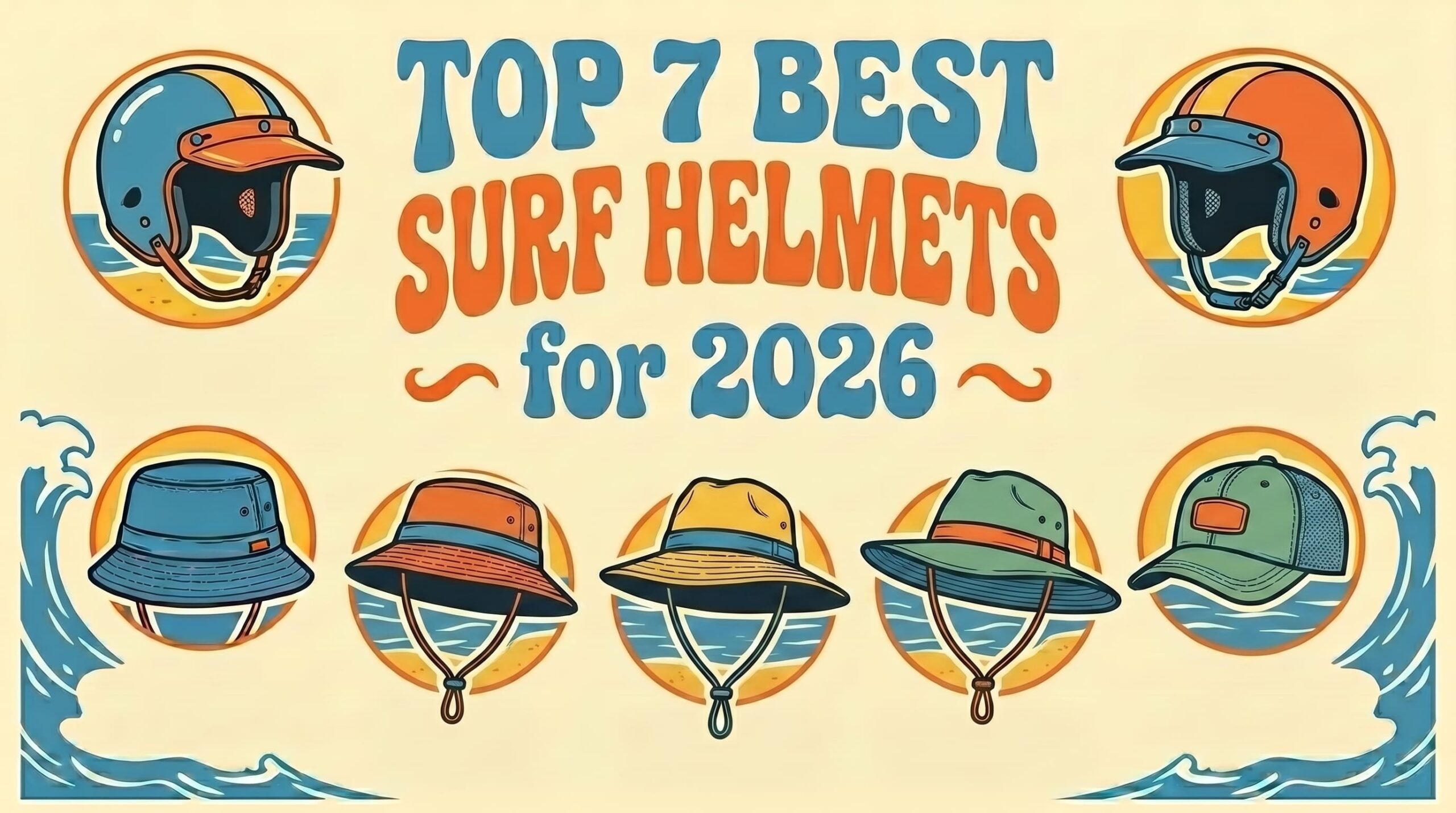

| Product | Best For | Style | Key Feature | Price | Buy |
|---|---|---|---|---|---|
| A VEBODI Indo Bucket Helmet Hat | Reef Surfers Who Want Shade | Bucket | Tom Carroll Approved | $69.95 | View Deal |
| A VEBODI Indo Cap Helmet Hat | Overall Pick | Cap | Low Profile Streamlined Fit | $69.95 | View Deal |
| Surf Skull Bucket Helmet (Blue) | Casual Surfers | Bucket | Hidden Padding | $65.00 | View Deal |
| A VEBODI Indo Cap with Ear Protection | Cold Water Sessions | Cap with Ear Cover | Ear Protection | $79.95 | View Deal |
| Surf Skull Bucket Helmet (Black) | Best Value Deal | Bucket | 13% Discount | $65.00 | View Deal |
| Surf Skull Bucket Helmet (Sand) | Tropical and Sunny Spots | Bucket | Light Color for Heat | $69.00 | View Deal |
| Tontron Waterports Bump Cap | Certified Impact Protection | Bump Cap with Neck Flap | CE EN 815 Certified ABS Shell | $59.90 | View Deal |
The best surf helmets do more than tick a safety box. They protect your head from shallow reef, errant fins, flying boards in crowded lineups, and the kind of impacts that can turn a great session into a hospital visit. If you have ever pulled out of a wave only to clip your board on the way up, or watched a friend take a fin to the scalp, you already know why this conversation matters.
Surfers have argued about helmets for decades. Some think they ruin the freedom of the sport. Others would not paddle out at a heavy reef break without one. The truth sits somewhere in the middle, and the right gear can make all the difference.
This guide walks through what to look for, when to wear one, and seven solid options worth your money in 2026.
Table of Contents
Why Wear a Surf Helmet?
The ocean does not care how good you are. Even the most experienced surfers get caught inside, tossed onto reef, or hit by their own equipment.
Head injuries in surfing are more common than many people think. A study published in the Orthopaedic Journal of Sports Medicine found that head and face injuries account for a significant portion of all surf related injuries reported in emergency rooms. Most of these come from contact with the surfer’s own board, the reef, or another rider.
A good helmet absorbs impact, reduces cuts, and protects your ears from cold water. It does not make you invincible, but it gives you a real margin for error.
Before paddling out at any new break, it helps to review essential surfing safety tips for challenging ocean conditions. Gear is only part of the picture.
When Do You Actually Need a Surf Helmet?
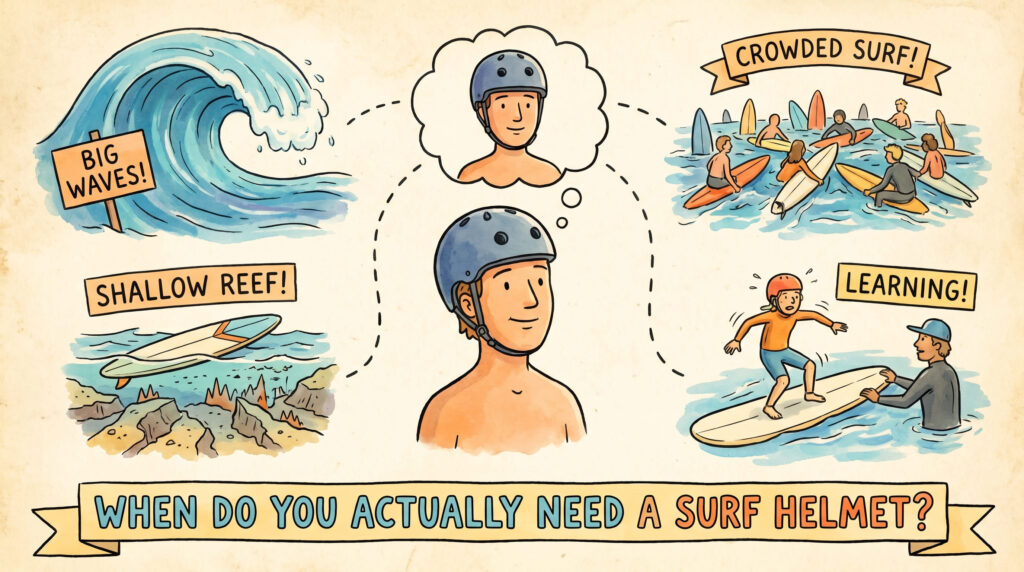
Not every session calls for a helmet. A small day at your local beach break with soft sand below probably does not justify one. But there are situations where wearing one is just smart.
Consider a surf helmet when you are:
- Surfing over shallow reef or rock bottoms
- Riding heavy or hollow waves
- Paddling out in crowded lineups with beginners around you
- Surfing big waves or in tow conditions
- Returning from a recent head injury
- Teaching kids or learning yourself
If you are heading out for your first session alone, surfing alone for the first time carries its own risks, and a helmet adds a layer of insurance when no one is around to help.
People who surf cold water destinations also find that helmets help with ear protection. Repeated exposure to icy water and wind can lead to exostosis, also known as surfer’s ear. Our full surfer’s ear prevention and treatment guide covers this in detail.
What to Look For in a Quality Surf Helmet
Not every helmet labeled for water sports actually works in surf. Some are designed for wakeboarding, others for kayaking, and a few are purpose built for the waves.
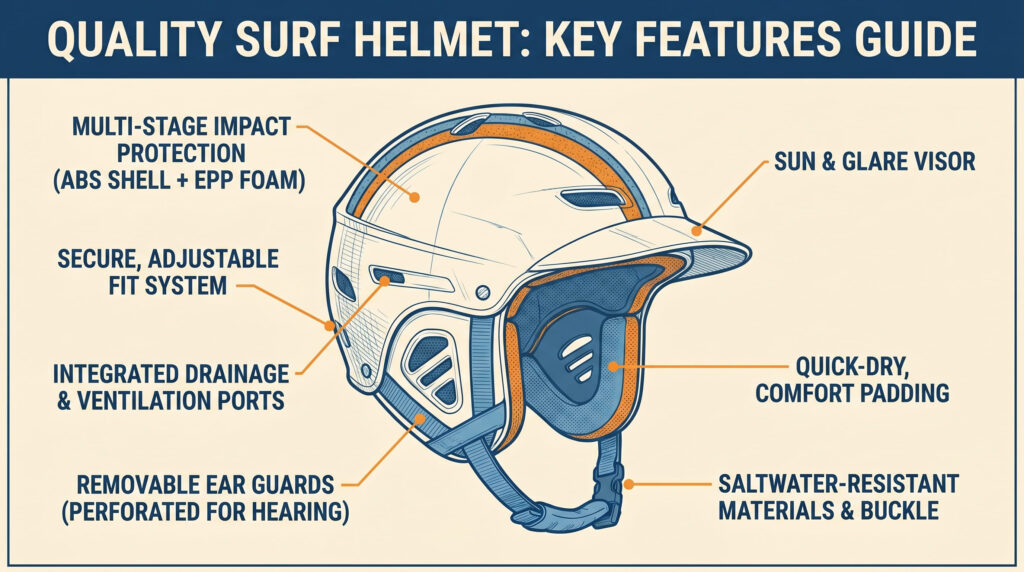
Here are the features that matter most.
Fit and Comfort
A helmet that does not fit properly is worse than no helmet at all. It can shift on impact, block your vision, or come off entirely. Look for adjustable straps, multiple sizing pads, and a snug feel that does not pinch.
You should be able to wear it for two hours without thinking about it.
Drainage and Buoyancy
Surfing means constant submersion. A good helmet drains water quickly through built in channels and does not pull your head under when you wipe out. Many designs use closed cell foam that floats and resists waterlogging.
If a helmet feels heavy after thirty seconds in the pool, it will be miserable in surf.
Impact Protection
Look for helmets that meet recognized safety standards such as CE EN 1385 for water sports. This certification means the helmet has been tested for impact resistance in wet conditions.
Hard outer shells made from ABS plastic or carbon composite paired with EPP or EVA foam liners offer the best protection without adding bulk.
Ear Coverage
This is where surf helmets differ from skate or bike lids. Most surfers prefer some form of ear protection, either fully enclosed cups or vented openings that block wind while letting sound through.
Closed ear cups are warmer in cold water. Open ear designs offer better hearing in the lineup, which matters for communication and awareness.
Visor and Sun Protection
A small visor helps cut glare and rain, which is useful for sessions in low sun or stormy weather. Some surfers love them, others find them annoying. It comes down to personal taste.
Weight
Heavy helmets cause neck fatigue and slow your duck dives. The best surf helmets weigh between 300 and 500 grams. Anything heavier becomes a chore on long sessions.
If you struggle with technique already, a lighter helmet helps. For tips on managing wipeouts and going under cleanly, our guide on how to duck dive is a good starting point.
Top 7 Best Surf Helmets for 2026
1. A VEBODI Indo Surf Helmet Hat (Bucket Style)
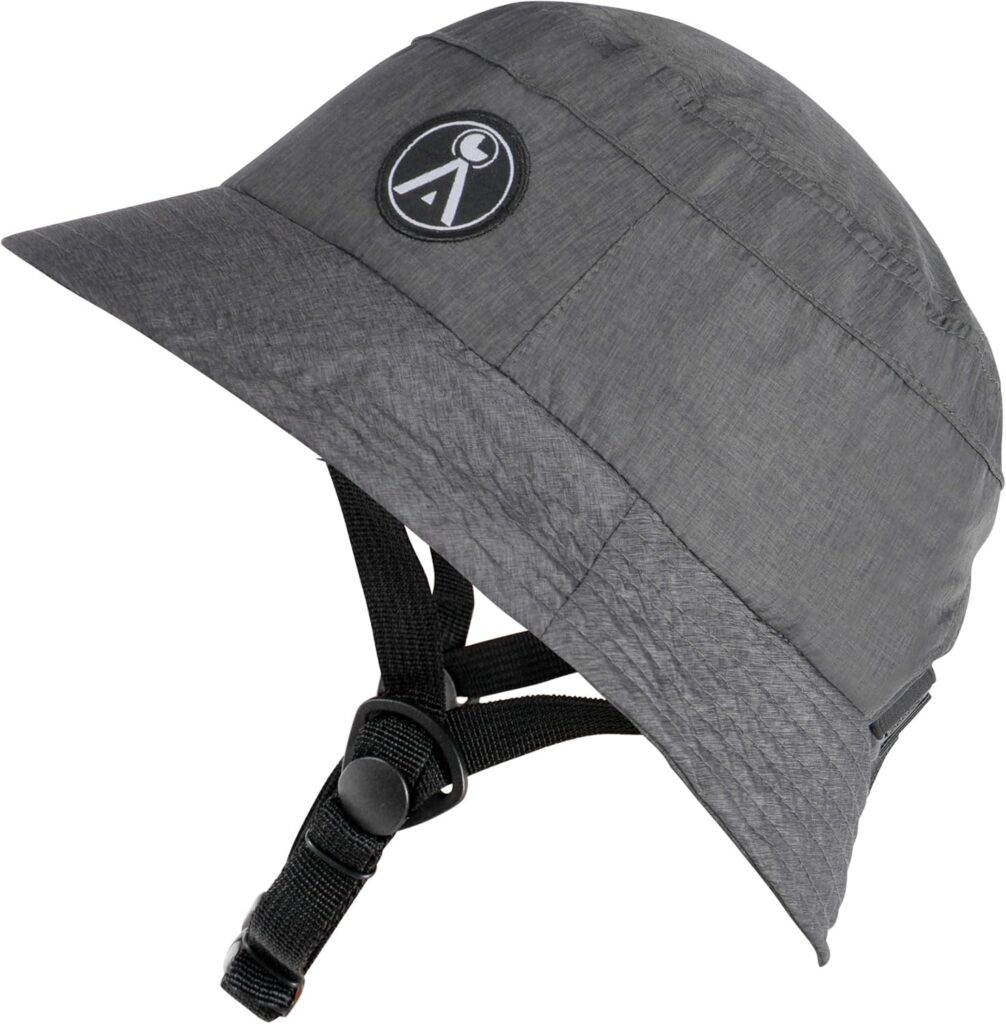
Best For: Reef surfers who want sun protection and impact defense in one piece
Price: $69.95
If you spend long hours over shallow reef in tropical heat, this is one of the smartest hybrid options on the market. The A VEBODI Indo bucket version combines the wide brim of a sun hat with a hidden impact liner, giving you both UV protection and head defense without the bulk of a traditional helmet.
It carries the Tom Carroll endorsement, which is no small thing. Carroll is one of the most respected names in heavy water surfing, and his stamp of approval signals real world testing in conditions that matter. The helmet drains well, stays in place during wipeouts, and feels lighter than it looks.
The adjustable chin strap keeps it locked through duck dives, and the ventilation zones prevent the trapped heat issue that sinks many bucket style designs. Where it loses points is in extreme impact protection. This is not a hard shell helmet, and it should not be confused with one for tow surf or big wave sessions.
Pros
- Wide brim shields face and neck from sun
- Tom Carroll approved design
- Lightweight and quick drying
- Adjustable chin strap holds firm
- Versatile for surf, SUP, kayak, and sailing
Cons
- Not built for big wave impact
- Limited color options
- Higher shipping costs to some regions
2. A VEBODI Indo Surf Helmet Hat (Cap Style) — Overall Pick
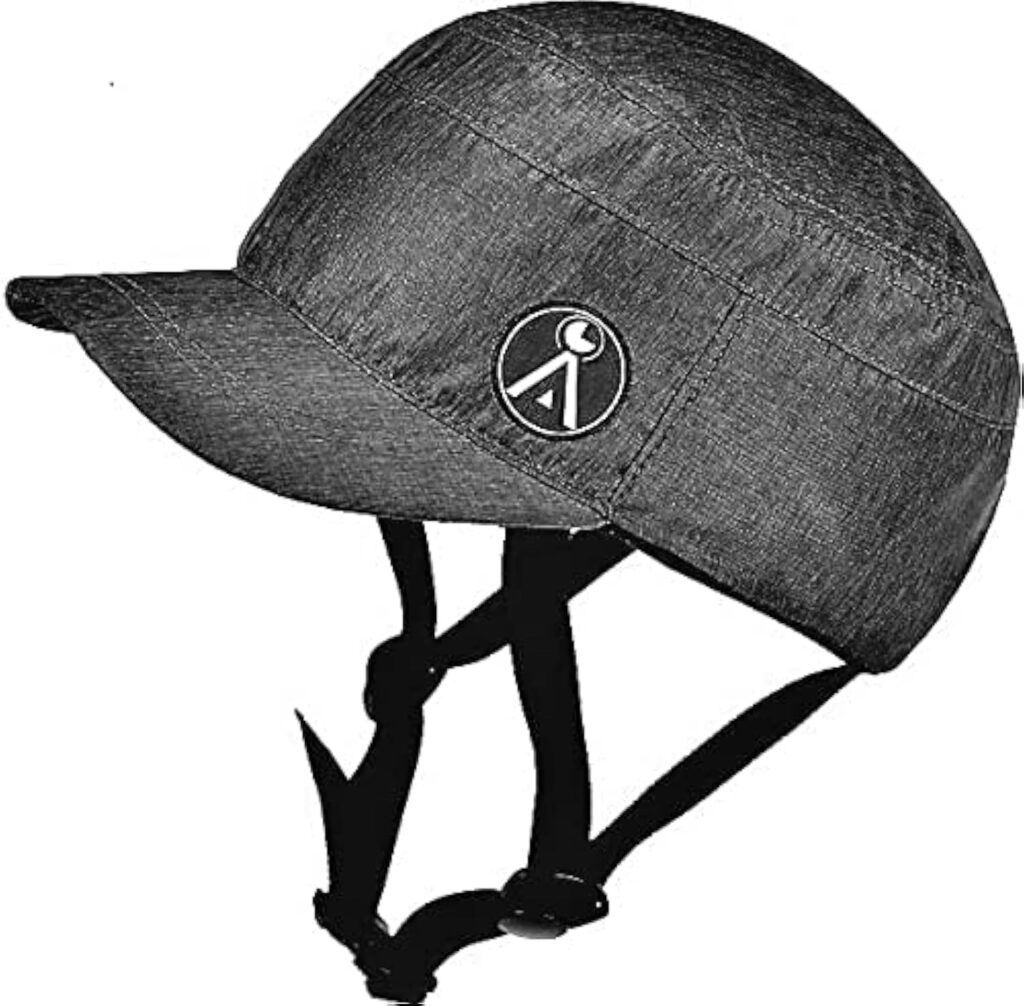
Best For: Everyday surfers who want a low profile helmet that looks like a cap
Price: $69.95
The cap version of the A VEBODI Indo is the easy pick for most surfers. It looks like a snapback at a glance, but a hidden impact liner sits underneath the panels. Over fifty units sold in the past month alone, and the 4.1 star rating across 146 reviews backs up its popularity.
This is the model you wear when you want protection without announcing it. It pairs well with both beginners learning to manage their board and experienced surfers paddling crowded lineups where flying fins are a real threat.
The cap shape stays streamlined for paddling, duck diving, and pop ups. It does not weigh you down or shift on impact. Surfers transitioning from never wearing a helmet to wearing one daily tend to start with a model like this because the look feels familiar.
The cap design does have one limit. It does not cover the sides of the head or ears, so direct fin strikes to the temple are still possible.
Pros
- Looks like a regular surf cap
- Tom Carroll endorsed
- Comfortable for long sessions
- Strong customer review base
- Adjustable for various head sizes
Cons
- Limited side and ear coverage
- One size fits all may not suit very small or large heads
- Shipping fees vary by region
3. Surf Skull Bucket Helmet (Blue)
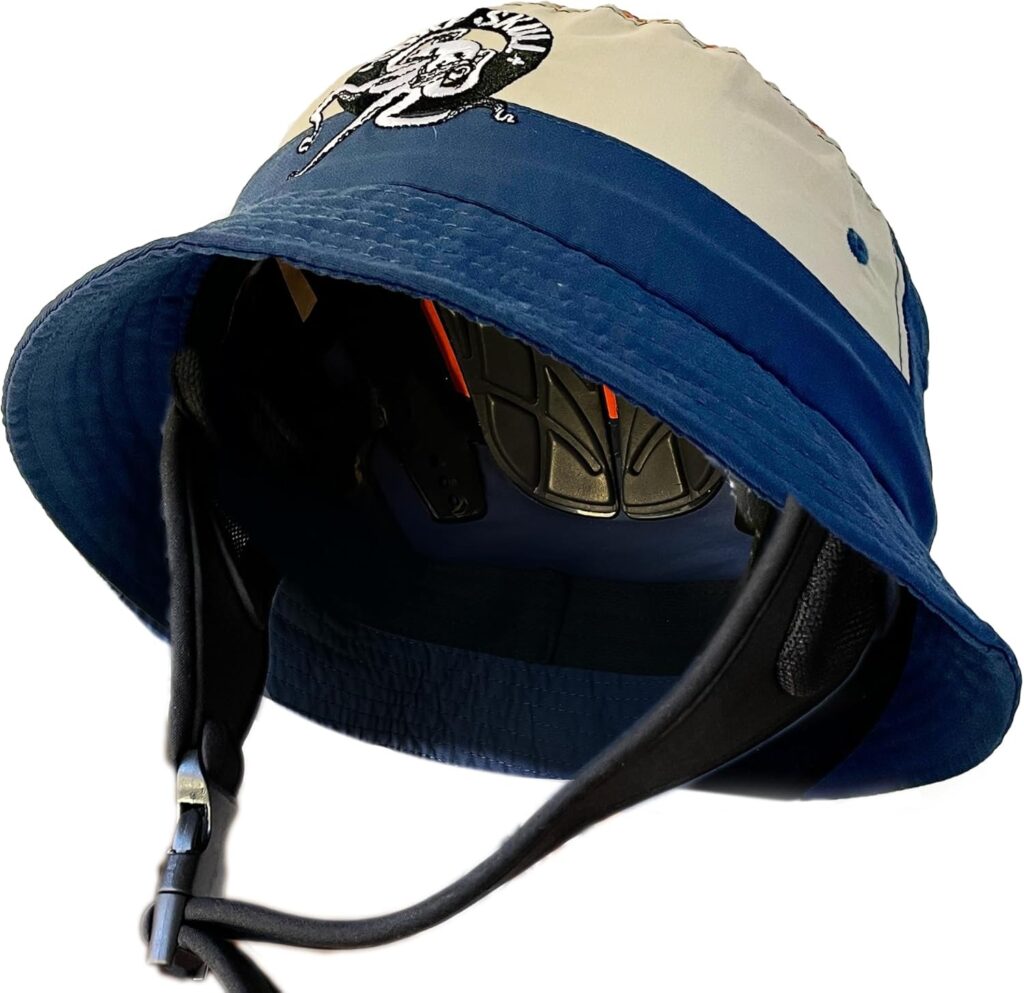
Best For: Casual weekend surfers who want a stylish option
Price: $65.00
Surf Skull built their name on integrating real protection into laid back surf wear, and the blue bucket version is one of their cleanest looking pieces. From the outside, it reads as a standard bucket hat. Inside, hidden padding offers protection against minor fin cuts and board impact.
This model fits surfers who care about how they look in the lineup and at the beach but still want some level of head defense. It comes in two sizes, Medium for 55 to 57 cm heads and Large for 58 to 61 cm, which is a more accurate fit system than the one size approach used by some competitors.
The visor cuts glare during low sun sessions, and the adjustable straps keep it secure through paddle outs. Owners praise its comfort and the fact that it looks just as good on land as in the water.
It is best understood as a lifestyle helmet with real, but moderate, protection. For heavy reef or big wave conditions, look at hard shell options instead.
Pros
- Stylish bucket hat appearance
- Two size options for better fit
- Built in visor for sun glare
- Adjustable strap and ventilation
- Works for surf, SUP, and casual beach use
Cons
- Protection level lower than hard shell helmets
- Not designed for high impact wipeouts
- Shipping fees can add up
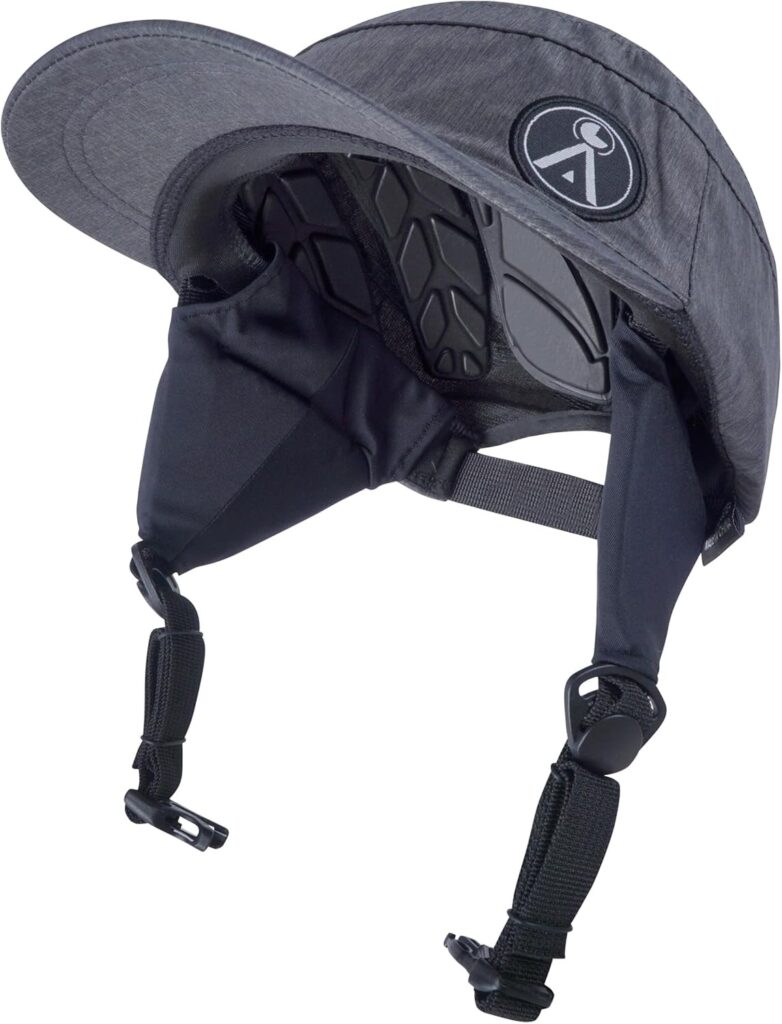
4. A VEBODI Indo Cap with Ear Protection
Best For: Cold water sessions and ear conscious surfers
Price: $79.95
This is the cold water answer in the A VEBODI lineup. The ear protection version adds neoprene style ear coverage to the standard cap, giving you the warmth and wind block needed for chilly surf without committing to a fully enclosed helmet.
Surfers prone to ear infections or surfer’s ear find this design especially useful. The covered ears reduce cold water exposure that drives bone growth in the ear canal over time. Combined with a quality pair of ear plugs, it offers strong daily protection.
It works well over thin hoods in autumn and spring, although a 5mm or 6mm winter hood will not fit comfortably underneath. For surfers in mild cold climates like Northern Morocco, California, or Portugal in winter, it hits a useful middle ground.
The trade off is hearing. Some surfers report muffled communication in the lineup, which is the standard compromise for covered ears.
Pros
- Added ear protection for cold water
- Reduces wind chill and water exposure
- Same trusted Tom Carroll approved design
- Adjustable chin strap
- Quick drying materials
Cons
- Slightly muffled hearing in the lineup
- Higher price than the basic versions
- Not suitable under thick winter hoods
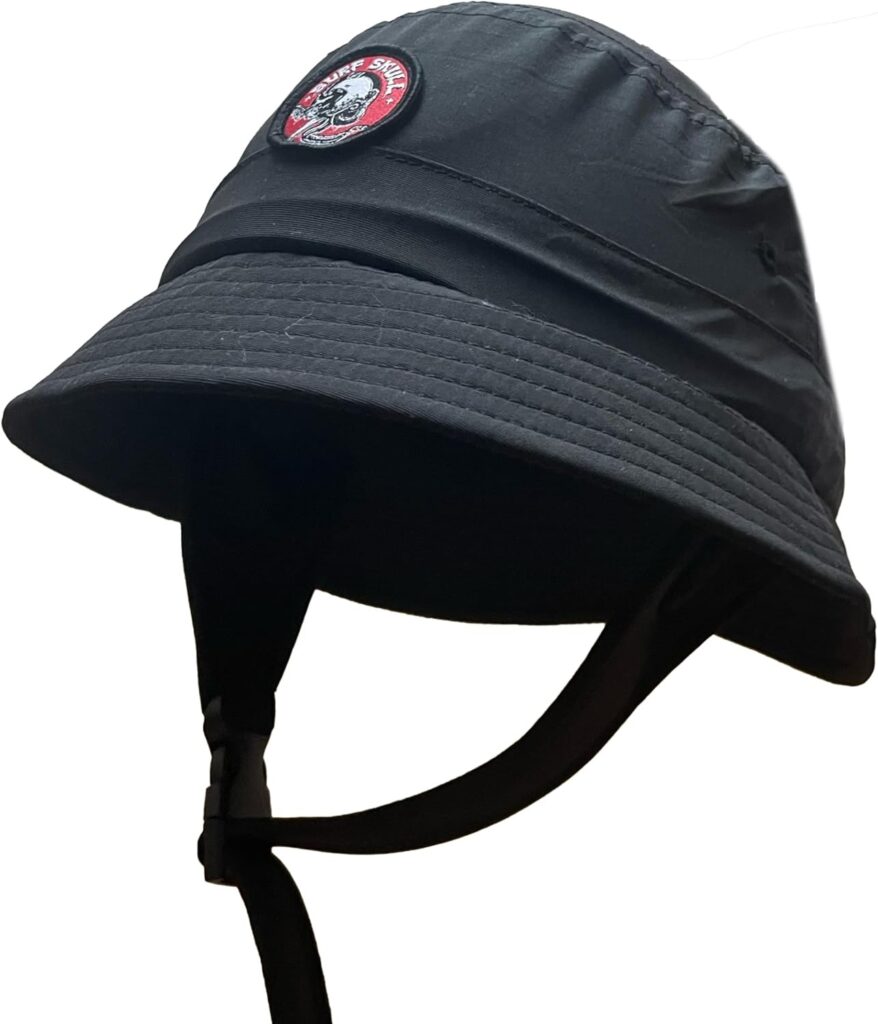
5. Surf Skull Bucket Helmet (Black) — Best Value
Best For: Surfers looking for the best price to protection ratio
Price: $65.00 (list price $75.00, currently 13% off)
The black version of the Surf Skull bucket helmet is currently the best value of the seven, thanks to a 13% discount off the list price. Same hidden padding, same dual size options, same adjustable strap and visor system. The only difference is the color and the deal.
Black tends to absorb heat in tropical environments, so this version makes more sense for surfers in cooler climates or those who surf early mornings and evenings. The neutral color also pairs easily with any wetsuit setup.
For a first time helmet buyer trying to test how a helmet feels without making a major investment, this is the easy entry point. Comfort, look, and basic protection all come at a fair price.
The same caveats apply. This is a soft impact helmet built for cuts and minor strikes, not a heavy water hard shell.
Pros
- Discounted from $75 to $65
- Versatile black color
- Two size options
- Comfortable adjustable strap
- Affordable entry to surf helmet use
Cons
- Black retains more heat in tropical sun
- Soft impact protection only
- Not for big wave or reef heavy use
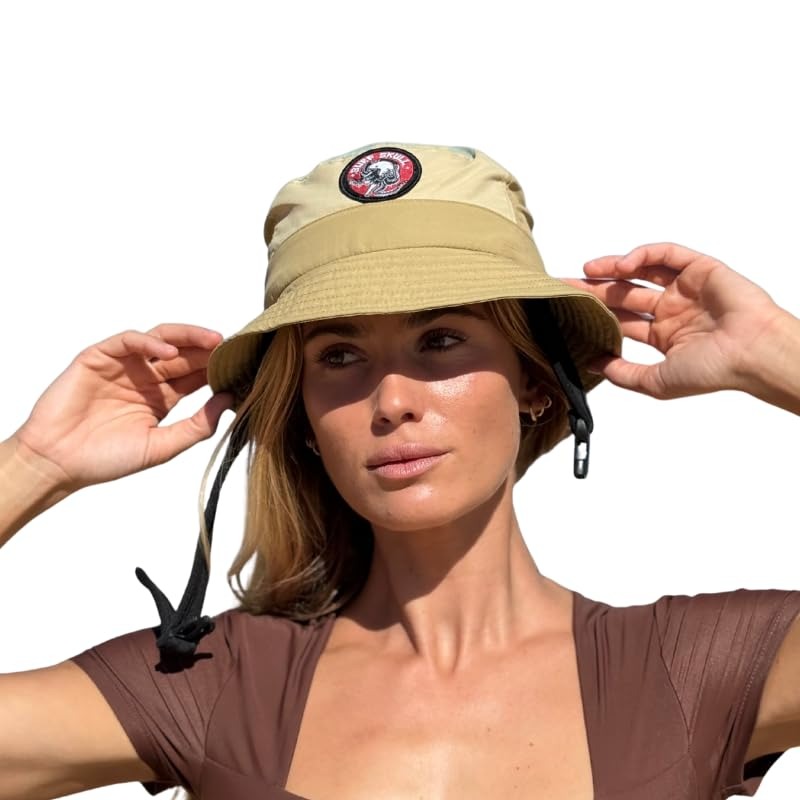
6. Surf Skull Bucket Helmet (Sand)
Best For: Tropical and sunny surf destinations
Price: $69.00
The sand colored Surf Skull bucket is the version made for warm water surfers. Light colors reflect heat, which is a small but real advantage in places like Indonesia, the Maldives, Morocco’s south, or Hawaii during peak summer.
The construction is identical to the blue and black versions. Hidden padding, adjustable straps, ventilation system, and the integrated visor that defines the line. The sand finish gives it a natural look that blends with beach environments and pairs well with light wetsuits or boardshorts.
Surfers who travel to warm water destinations often pick this exact color for the heat advantage alone. Reviewers note that it stays noticeably cooler in direct sun than the black version, which can become uncomfortable after long midday sessions.
It carries the same protection profile as the rest of the Surf Skull line. Useful for fin cuts, paddle outs through whitewater, and reducing minor board impact, but not designed for extreme conditions.
Pros
- Light color reflects heat
- Hidden protective padding
- Adjustable straps and visor
- Great fit for tropical conditions
- Durable saltwater construction
Cons
- Slightly more expensive than blue and black
- Shows dirt and salt stains over time
- Not for heavy reef impact
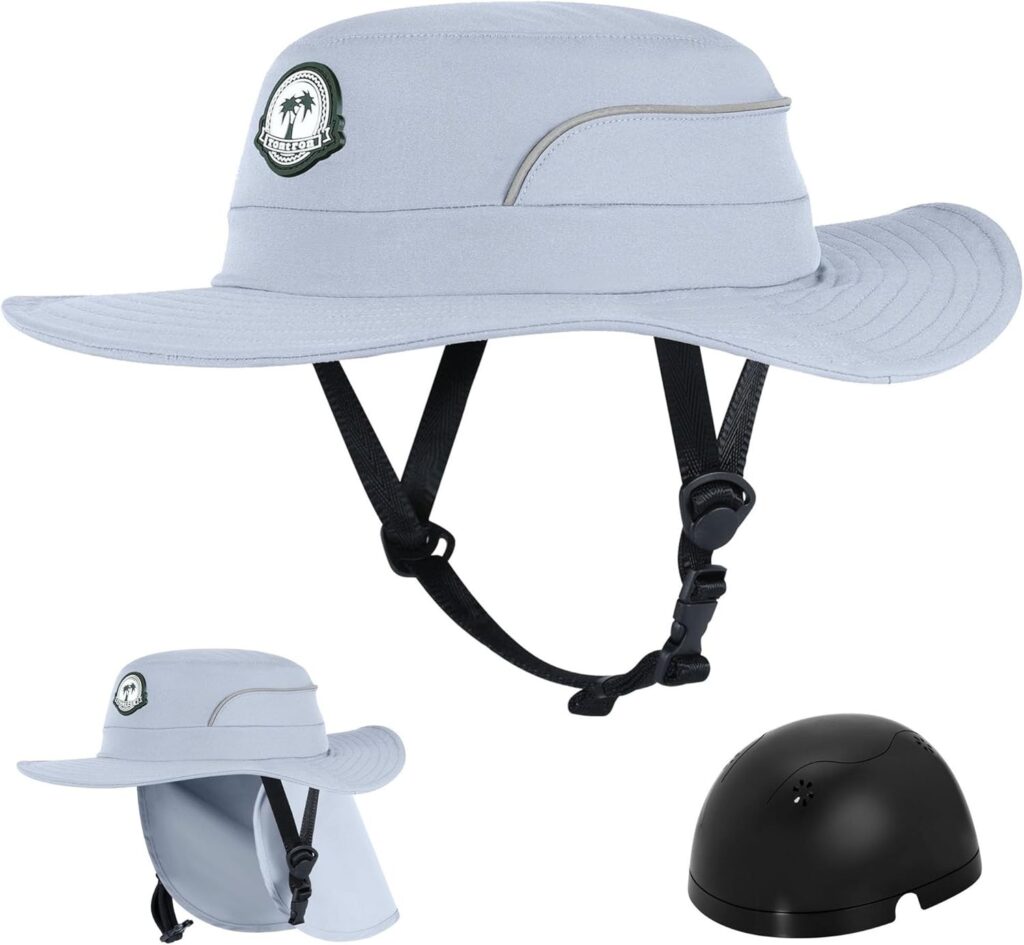
7. Tontron Waterports Bump Cap Hat
Best For: Surfers who want certified impact protection on a budget
Price: $59.90
The Tontron is the most safety certified option of the seven, and also the cheapest. It uses an ABS hard shell with an EVA liner that meets the CE EN 815 bump cap standard, giving it a level of impact protection above the soft padded bucket and cap designs.
The UPF 50+ wide brim blocks more than 98% of UV rays, which is a meaningful advantage for surfers doing dawn to dusk sessions in high sun environments. A removable neck flap adds extra coverage for the back of the neck and ears, useful for surfers prone to sun damage in those areas.
The Y strap design holds the cap stable during fast movement, including surf foiling where airflow tends to lift other helmet styles. Three size options, Small, Medium, and Large, allow for a more precise fit than the one size models from A VEBODI.
The look is more functional than fashionable, and some surfers find the neck flap excessive when not needed. The flap is removable, which solves most of that complaint.
Pros
- CE EN 815 certified ABS shell
- UPF 50+ sun protection
- Removable neck flap for extra coverage
- Three size options for better fit
- Most affordable of the seven
Cons
- Less stylish than bucket and cap competitors
- Neck flap not for everyone
- Shipping costs vary by region
How to Choose the Right Surf Helmet for You
With seven solid options, the real question becomes which one fits your style of surfing.
Beginners who fall a lot and paddle in crowded lineups need maximum protection and comfort over performance features. A full coverage helmet with closed ear cups works well here.
Intermediate surfers tackling reef breaks should prioritize impact rating and a snug fit that stays put during heavy wipeouts. Look at certified models with reinforced shells.
Big wave and tow surfers need top tier protection without compromise. Carbon composite shells, multi impact foam, and pro level safety certification matter most.
Cold water surfers should weigh ear coverage and thermal retention heavily. A helmet that fits over a hood is essential. Pair it with the right wetsuit by checking our complete wetsuit guide for 2026.
Surf Helmet Care and Maintenance
A surf helmet that lasts is one that gets looked after. Salt water, sand, and UV all wear down materials over time.
Rinse your helmet with fresh water after every session. Pay attention to the inner padding, where salt builds up fastest. Let it dry in the shade, never in direct sun, which degrades foam and adhesives.
Store your helmet in a cool, dry place. Avoid leaving it in a hot car, where heat warps the shell. Replace any helmet that has taken a major impact, even if it looks fine. Internal foam can be compressed without showing damage.
Most quality helmets last three to five years with proper care. Manufacturers usually publish a recommended replacement timeline. Follow it.
Common Myths About Surf Helmets
Despite growing acceptance, helmets still face pushback in the surf community. Here are the most common myths, broken down.
Myth 1: Helmets Are Only for Beginners
False. Some of the most respected big wave surfers in the world wear helmets at spots like Mavericks, Nazaré, and Pipeline. Tom Carroll, Greg Long, and many WSL pros use them in heavy water. Protection is not a skill issue. It is a smart choice.
Myth 2: Helmets Slow You Down
A good helmet weighs less than a pound and barely affects your paddling. The few who notice it adjust within a session or two.
Myth 3: You Cannot Hear in a Helmet
Open ear designs let you hear waves, other surfers, and lifeguards just fine. Closed ear cups muffle some sound but most include vents or ports for awareness.
Myth 4: Helmets Look Bad
Style is subjective. The current generation of surf helmets looks closer to motocross or freeride gear than the bulky lids of the past. Brands like Gath and Simba have helped shift perception.
Surf Helmets and Other Essential Safety Gear
A helmet is one piece of a larger safety puzzle. Surfers who take protection seriously usually pair their helmet with other gear, including a quality wetsuit, impact vest, and reliable leash.
If you surf cold water, ear plugs are nearly as important as the helmet itself. Our team has covered the best cold water surfing destinations and the gear required to handle them.
Knowing the unwritten rules of surf etiquette also reduces collisions, which are a leading cause of helmet worthy moments.
For surfers thinking about heavier conditions or night sessions, our breakdown of surfing at night and whether it is worth the risk puts a few things in perspective.
Are Surf Helmets Required Anywhere?
In most places, surf helmets are not legally required. However, some surf schools, competitions, and resorts mandate them for liability and safety reasons. The World Surf League now allows helmets in competition at certain heavy water locations, a notable change from past rules.
Some countries have stricter requirements for minors during lessons. Always check local regulations before traveling with a group.
For those new to the sport, why beginner surfers fail often comes down to skipping basic safety steps. A helmet at the right time may not be the difference between failure and success, but it can be the difference between a bad day and a serious injury.
What Real Surfers Say About Their Helmets
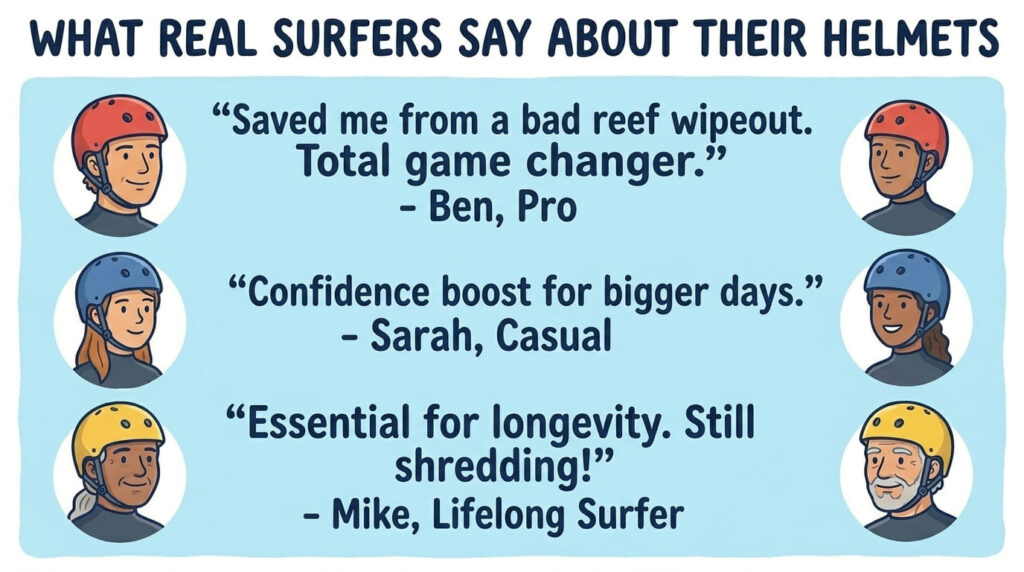
Specs only tell half the story. The real test of a surf helmet comes after months of saltwater, heavy wipeouts, and packed lineups. Below are real world impressions from surfers across different skill levels and conditions, pulled together to give you an honest picture before you spend your money.
Reef Break Regulars
Surfers who spend most of their time over shallow reef tend to be the most vocal about helmets. Many describe the moment that made them buy one in the first place, usually a close call with the reef or a fin to the head.
A common theme in these reviews is confidence. Riders consistently mention that wearing a helmet allowed them to commit harder to late drops and deeper takeoffs, knowing a bad wipeout was less likely to end their trip. Several mentioned that after the first few sessions, they forgot the helmet was even on.
The most frequent complaint from this group is heat retention in tropical water. Helmets that drain well and breathe through vented shells score much higher than fully sealed designs in places like Indonesia, the Maldives, or Morocco’s reef points.
Cold Water Surfers
For surfers riding cold water spots in places like Ireland, Norway, Scotland, or Northern California, helmets serve a double purpose. They protect the head and dramatically reduce ice cream headaches and wind chill.
Cold water reviewers consistently rate ear coverage as the most important feature. Closed ear cups or insulated panels make winter sessions far more tolerable. One recurring observation is how much longer surfers can stay in the water once they stop losing heat through their head and ears.
The downside mentioned often is fit over a hood. Some helmets feel perfect bare but become uncomfortable when layered with a 5mm or 6mm hood. Surfers in these conditions tend to size up by one and look for adjustable retention systems.
Big Wave and Tow Surfers
Reviews from big wave and tow surfers are perhaps the most telling. This is a community where helmet use was once frowned upon, and now it is nearly standard at spots like Mavericks, Nazaré, Jaws, and Puerto Escondido.
Performance under serious impact is what these surfers focus on. Multi impact foam, reinforced shells, and chin strap retention come up again and again. Several reviewers shared stories of helmets that absorbed direct hits from boards or reef and saved them from concussions or worse.
The pattern is clear. In heavy water, surfers want a helmet they can trust at full speed, not one that just looks the part.
Surf Instructors and Schools
Surf coaches and instructors have a different set of priorities. Their reviews focus on durability, ease of cleaning, and how the helmet fits a wide range of head shapes for students.
Helmets used daily in surf schools take serious abuse. Sun exposure, salt, shared use, and frequent drops all accelerate wear. Brands with replaceable inner pads and corrosion resistant hardware score the highest in these reviews.
Instructors also point out that helmets help build confidence in beginners. New surfers who fear hitting their board or another rider learn faster when they know their head is protected.
Weekend Warriors and Casual Surfers
The biggest growing group of helmet users is weekend surfers who simply want to reduce risk. Their reviews tend to focus on comfort, looks, and value for money.
Many in this group admit they bought a helmet after a single bad experience, usually a fin cut or a board to the face. The recurring message is that the price of a helmet is small compared to a trip to the emergency room or weeks out of the water.
These reviewers also tend to praise modern designs for looking less bulky than older helmets. Style still matters in surf culture, and many newer models are slim enough that surfers feel comfortable wearing them at any spot.
Common Themes Across All Reviews
A few patterns show up no matter who is writing the review.
Comfort wins over features. A helmet that hurts after one hour gets left in the car, no matter how good the safety rating is. Drainage and fit consistently rank higher than weight or visor design.
Helmets earn loyalty over time. Surfers rarely rave about a helmet after one session. The ones that get the best long term reviews are those that survived heavy use, multiple wipeouts, and still felt the same on session fifty as on session one.
Honest brands win trust. Reviewers respect companies that publish clear safety certifications, replacement timelines, and warranty terms. Vague marketing language loses customers fast.
What Negative Reviews Tell Us
Not every helmet review is glowing. The most common complaints worth paying attention to include:
- Strap hardware corroding after a few months in saltwater
- Foam padding compressing or coming loose
- Sizing running smaller or larger than expected
- Visors snapping off in heavy whitewater
- Closed ear cups muffling sound too much in crowded lineups
These are the issues to scan for when reading reviews on any specific model. One off complaints happen with every product, but repeated patterns are a real warning.
How to Read Surf Helmet Reviews Wisely
Before buying, spend time on more than one source. Brand websites, surf forums, YouTube long term reviews, and retailer pages each tell a slightly different story.
Look for reviewers who describe their conditions clearly. A review from someone surfing two foot mush at home tells you very little about how a helmet performs at a heavy reef break. The most useful reviews come from surfers whose conditions match yours.
Pay attention to how long the reviewer has owned the helmet. First impressions are easy. Real opinions form after a season of use.
Trust your own head shape. Sizing varies between brands, and what fits one surfer perfectly may not work for you. If possible, try the helmet on before committing, or buy from a retailer with a good return policy.
Frequently Asked Questions About Surf Helmets
Are surf helmets worth it for beginners?
Yes. Beginners are statistically more likely to be hit by their own board or another surfer’s. A helmet costs less than a hospital bill and lasts years.
Can I use a kayak or wakeboard helmet for surfing?
Not ideally. Most water sport helmets lack the drainage, fit, and ear coverage tuned for surf. Use a helmet built for surfing.
Do surf helmets prevent surfer’s ear?
They help, especially models with full ear coverage. They reduce wind and cold water exposure, which are the main causes. Earplugs offer better targeted protection but combining both works best.
How tight should a surf helmet fit?
Snug enough that it does not shift when you shake your head, but not so tight it gives you a headache. The chin strap should sit firm without choking you.
How often should I replace my surf helmet?
Every three to five years, or immediately after a serious impact. Foam degrades over time even without visible damage.
Can you surf big waves without a helmet?
You can, but most pros now wear one. Big wave injuries can be life threatening, and a helmet reduces concussion risk and protects against impact with the board or reef.
Final Thoughts on the Best Surf Helmets
The right surf helmet does not change the way you surf. It changes how you recover when things go wrong. Whether you are charging reef pass barrels, learning at your local beach break, or paddling into your first overhead set, the right protection lets you focus on the wave instead of the worst case scenario.
Each of the seven helmets above earns its place for different reasons. Pick the one that fits your style, your budget, and the kind of waves you ride most often. Then get out there, surf with confidence, and respect the ocean.
If you are planning a trip somewhere with reef heavy lineups, you may also want to check the best time to surf in Morocco, where helmets are increasingly common at certain points and reefs.
Stay safe, ride hard, and protect what holds your best ideas.