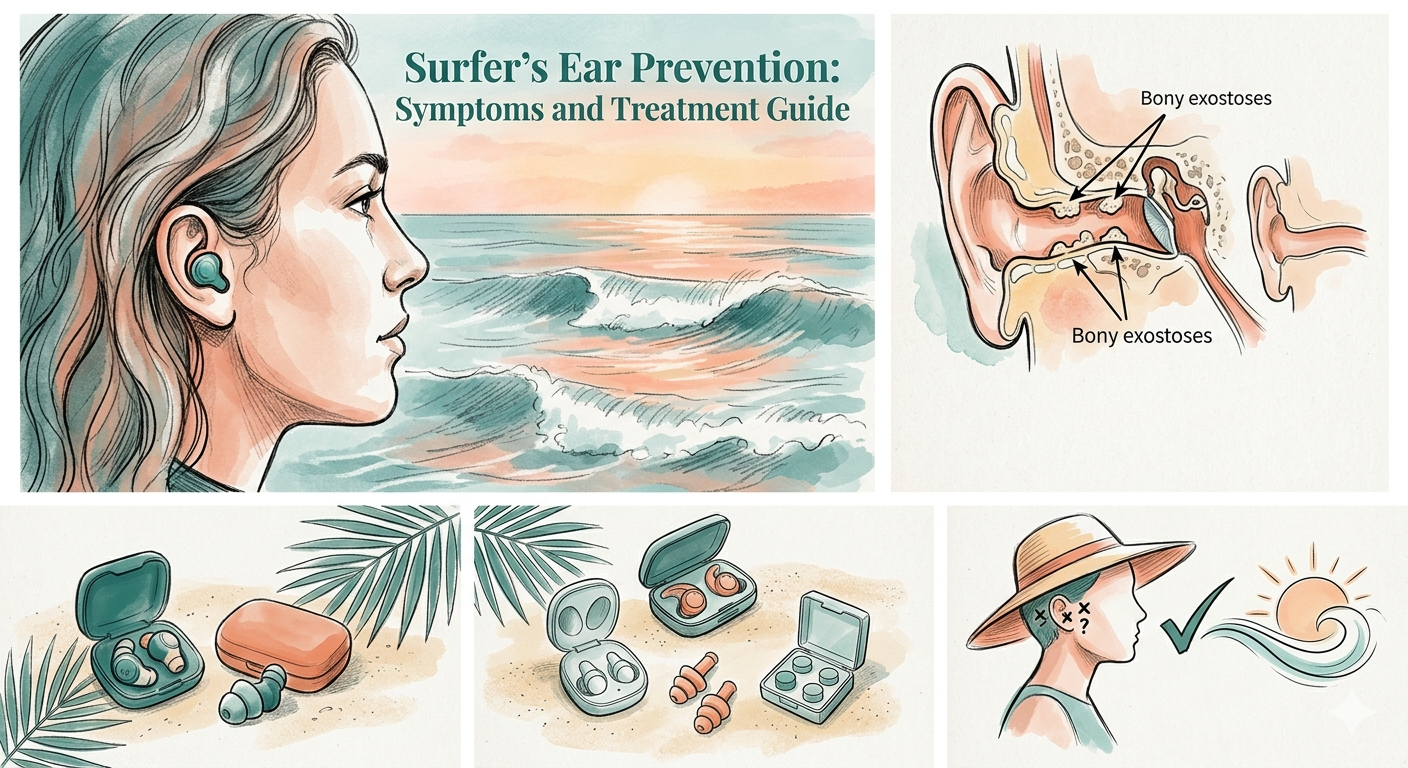

Surfing is a pursuit of pure freedom, but the ocean has a way of leaving a permanent mark on those who frequent its colder reaches. If you’ve ever noticed water trapped in your ear for hours after a session, or a dull ache following a windy dawn patrol, you might be dealing with more than just a minor annoyance. You might be developing surfer’s ear.
Formally known as External Auditory Exostoses (EAE), surfer’s ear is a condition that is 100% preventable but entirely irreversible without surgery. In this guide, we’ll break down the science of why your ears grow bone, how to spot the symptoms early, and why high-quality earplugs are the most important piece of gear in your quiver.
What is Surfer’s Ear?
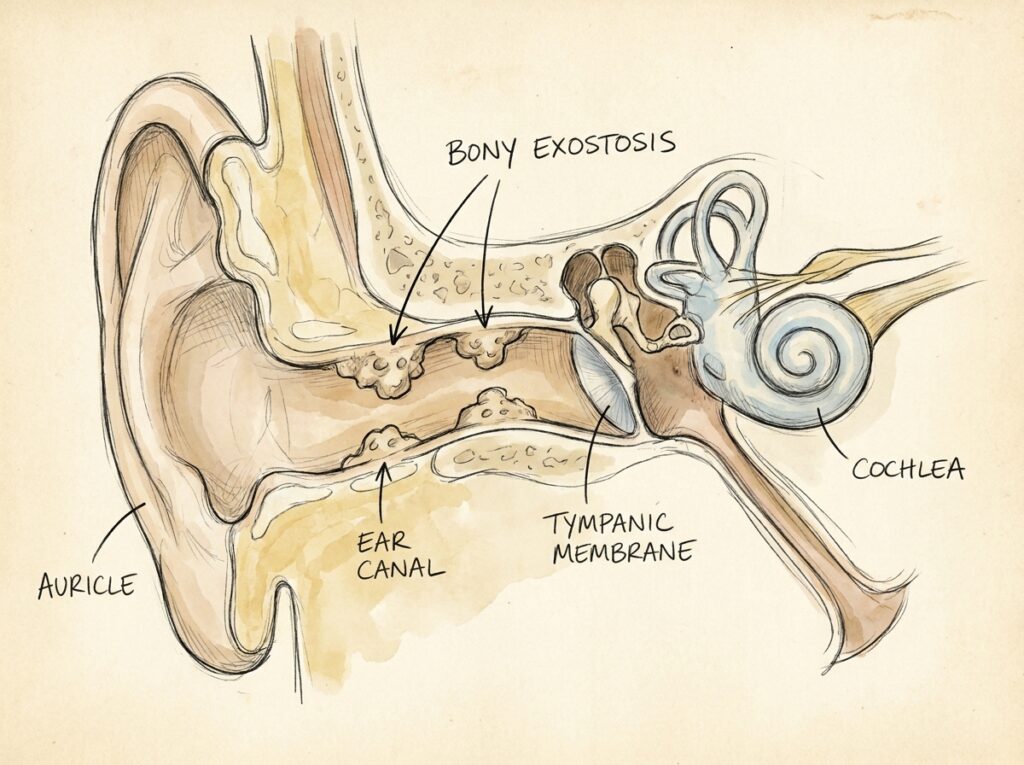
Surfer’s ear is the body’s defensive response to chronic exposure to cold water and wind chill. When the ear canal is repeatedly cooled, the body reacts by growing new layers of bone to protect the eardrum.
Unlike “swimmer’s ear,” which is a soft-tissue infection, surfer’s ear is a structural change. These bony growths, called exostoses, narrow the ear canal over time. While the process is slow—often taking 10 to 15 years of regular surfing to reach a critical stage—once the bone has grown, it does not go away on its own.
The Science of Cold Exposure
Research indicates that surfers in water below 18°C (64°F) are significantly more likely to develop advanced exostoses. However, it isn’t just the water; the “evaporative cooling” caused by wind whistling past a wet ear canal accelerates the bone-growth trigger. This is why even surfers in temperate climates can suffer from the condition if they surf in windy conditions.
Recognizing the Symptoms
Because the bone growth is gradual, many surfers don’t realize they have a problem until their ear canal is 70-90% blocked. Recognizing the early signs can help you take action before surgery becomes the only option.
Early Warning Signs
- Water Trapping: This is often the first symptom. After a surf, you feel like there is water “stuck” behind a wall in your ear that won’t shake out.
- Increased Infections: As the canal narrows, wax, salt, and debris get trapped, leading to frequent and painful outer ear infections (Otitis Externa).
- Muted Hearing: You may notice a slight loss of hearing, especially immediately after exiting the water.
Advanced Symptoms
- Persistent Aural Fullness: A constant sensation that your ear is “plugged.”
- Conductive Hearing Loss: When the exostoses bridge together, they can almost completely seal the ear canal, leading to significant hearing impairment.
- Pain: Severe earaches caused by trapped bacteria or pressure against the eardrum.
Prevention: Why Earplugs are Mandatory
The good news is that preventing surfer’s ear is simple: keep the cold water and wind out. While some surfers opt for neoprene hoods, earplugs remain the most effective and versatile solution for year-round protection.
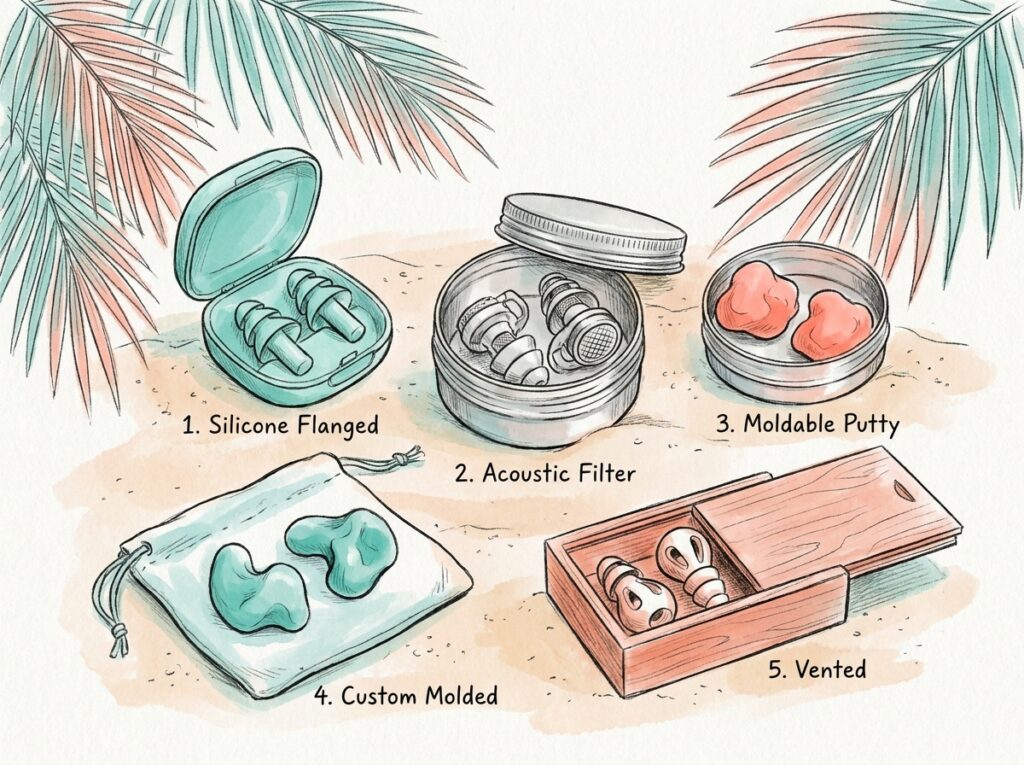
Modern surf earplugs have come a long way from the “orange foam” plugs that blocked all sound. Today’s designs use acoustic membranes that allow you to hear your friends in the lineup and maintain your balance while keeping 100% of the water out.
2026 Surfer’s Earplug Reviews
We’ve tested the leading options on the market to see which ones provide the best seal without sacrificing the social experience of surfing.
1. SurfEars 4.0
The gold standard for performance surfers. These feature a refined mesh membrane that allows sound in while keeping water out. The 4.0 version includes interchangeable parts for a truly custom-feeling fit.
2. Doc’s ProPlugs (Vented)
A classic in the surf world for decades. They are made of soft, hypoallergenic plastic and are pre-molded to fit the outer ear. The “vented” version allows for some hearing and pressure equalization.
Treatment Options: From Drops to Drills
If you already have significant bone growth, treatment is divided into medical management and surgical intervention.
1. Medical Management
For mild cases, doctors focus on keeping the ear canal clean and dry. Use an ear-drying solution (usually a mix of isopropyl alcohol and white vinegar) after every surf to help evaporate trapped moisture. You should also learn how to choose a wetsuit with a built-in hood to further protect your ears during winter.
2. Surgical Intervention
When the ear canal is blocked by more than 90%, or when infections become chronic, surgery is required.
- The Procedure: A surgeon uses a micro-drill or a specialized chisel to remove the excess bone. This can be done through the ear canal or via an incision behind the ear.
- Recovery: Expect to be out of the water for 6 to 12 weeks. This is a grueling wait for any surfer, which is why prevention is so heavily emphasized.
Summary and Next Steps
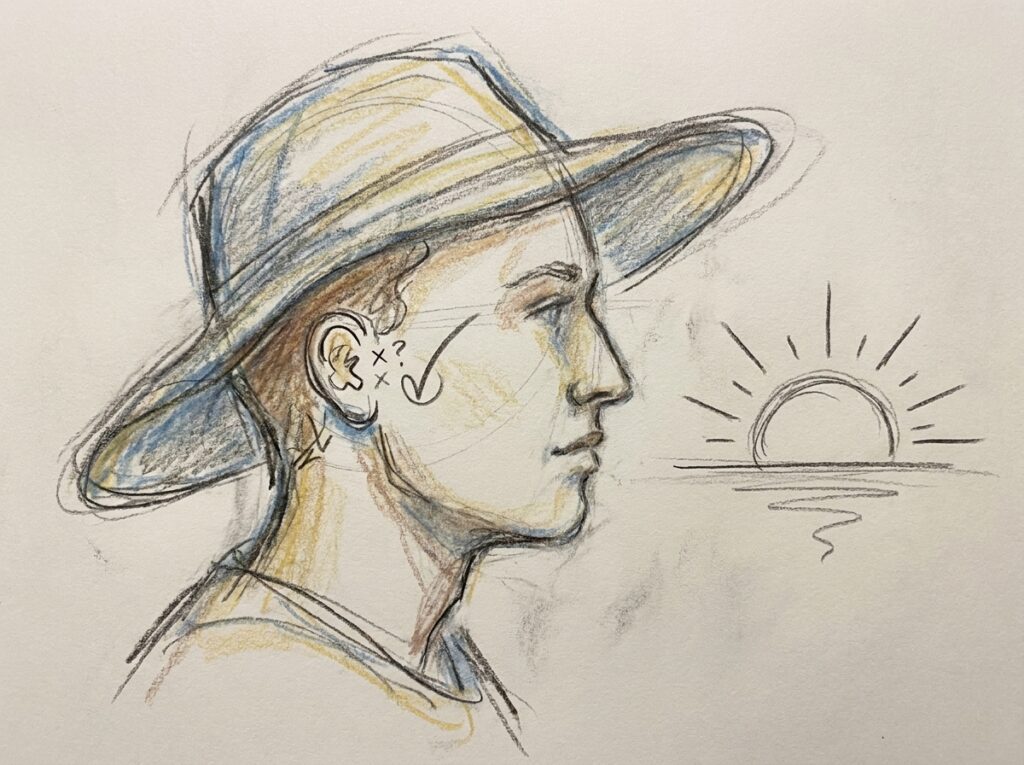
Surfer’s ear is a silent condition that builds over years of dedicated water time. By the time you notice the symptoms, the damage is already done. The solution is simple: wear earplugs. Whether you choose a high-end acoustic set like SurfEars or a reliable pair of Doc’s ProPlugs, you are investing in your ability to surf for decades to come.
Stay safe, protect your hearing, and don’t let a preventable bone growth keep you out of the lineup. For more advice on staying healthy in the water, check out our surfing fitness guide or learn more about essential surfing safety tips.