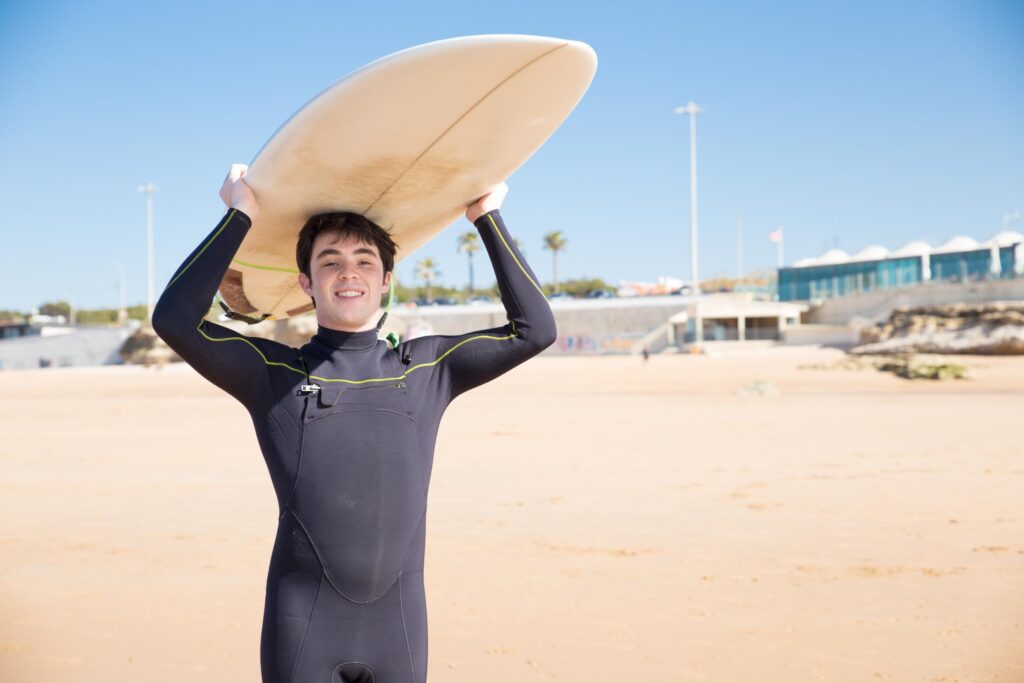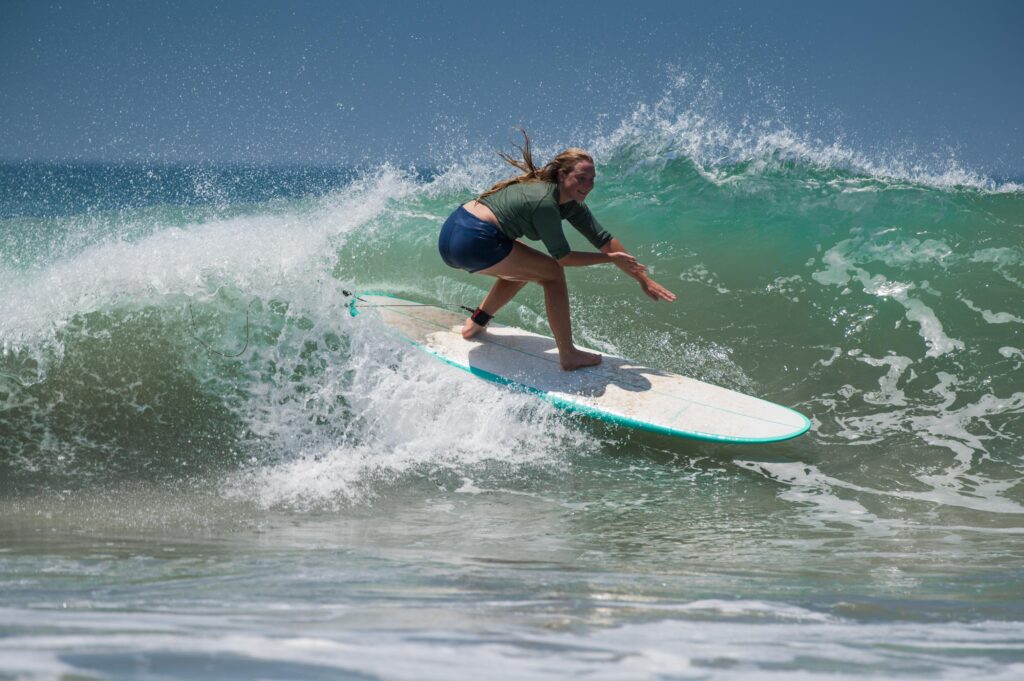

Every beginner surfer starts in the same place: standing on the beach, board under arm, mind buzzing with questions. Surfing looks effortless from the shore — but the moment you step into the water, a hundred things you never thought about suddenly demand answers at once. This guide exists to silence that noise. Here are 101 questions every beginner surfer asks, answered the way a seasoned coach would answer them — honestly, practically, and in plain language that actually sticks.
Think of this as your complete field manual for the first chapter of your surfing life. You can read it from start to finish, or jump straight to the section that’s keeping you up at night. Either way, by the end you’ll have the foundational knowledge to paddle out with real confidence — not just bravado.
- Section 1: Getting Started — The Big Picture Questions (Q1–Q15)
- Section 2: Boards, Gear & Equipment (Q16–Q32)
- Section 3: Technique — What's Actually Happening on the Board (Q33–Q52)
- Section 4: Understanding the Ocean (Q53–Q65)
- Section 5: Safety in the Water (Q66–Q75)
- Section 6: Fitness and Training Off the Water (Q76–Q82)
- Section 7: Surf Etiquette and Culture (Q83–Q92)
- Section 8: Board Care and Maintenance (Q93–Q97)
- Section 9: Mind, Lifestyle & the Long Game (Q98–Q101)
- Bonus: Quick-Fire Answers to Common One-Liners
- Final Word From the Coaching Side
Section 1: Getting Started — The Big Picture Questions (Q1–Q15)
Q1. Is surfing hard to learn?
Honest answer: standing up is not that hard. Surfing well takes years. The first breakthrough — popping up and riding white water — typically happens in your first one to three sessions with a good instructor and the right board. The gap between that moment and surfing unbroken green waves is where the real commitment begins. Surfing rewards patience more than raw talent.
Q2. What age is too old to start surfing?
There is no age limit. People take up surfing in their 40s, 50s, and even 60s and go on to surf for decades. The physical demands are real — surfing works your shoulders, core, and legs hard — but they’re manageable at any age with appropriate fitness preparation. Your biggest advantage as an older beginner is often mental: patience, discipline, and the ability to take coaching seriously.
Q3. Do I need to know how to swim to surf?
Yes — you need to be a competent swimmer, not an Olympic one. You should be comfortable swimming at least 50 to 100 metres in open water and not panic when submerged. The ocean is unpredictable. You will fall off your board, get separated from it, and find yourself in water that’s moving in every direction. Knowing how to swim calmly is a non-negotiable baseline before paddling out.
Q4. How fit do I need to be before I start surfing?
You don’t need to be in peak shape to begin, but a basic level of cardiovascular fitness and upper-body strength will make your first sessions much less painful. If paddling for five minutes without resting sounds daunting right now, spend a few weeks swimming laps or doing push-ups before your first lesson. Surfing will build the specific fitness you need over time — but going in with some baseline conditioning shortens the frustration curve significantly.
Q5. Should I take surf lessons or teach myself?
Take lessons. This is one of the clearest calls in all of beginner sport advice. A good instructor will get you standing up in one session and, more importantly, will prevent you from building bad habits that take years to undo. Self-taught surfers often plateau early because they’ve ingrained incorrect pop-up mechanics or poor paddle technique. The investment in even two or three lessons pays off exponentially in your long-term progression.
Q6. How long will it take me to stand up on a surfboard?
Most beginners can stand up on a foam board in white water on their very first session. Within three to six sessions, most people are consistently riding white-water waves to the shore. The honest timeline for surfing an unbroken wave — paddling into it, popping up, and riding down the face — is typically two to six months of regular practice, depending on lesson quality, board choice, and surf frequency.
Q7. How long does it really take to become a competent surfer?
Surfing has a beautifully humbling learning curve. Check out our deep-dive on how long it takes to learn to surf for the full breakdown. In summary: white water riding takes days to weeks, green wave riding takes months, and surfing with real style and control takes years. Most surfers describe themselves as still learning after a decade. That’s not discouraging — it’s the whole point.
Q8. What’s the best time of year to start learning?
Summer, in most locations. Smaller, cleaner waves, warmer water, lighter wetsuits (or none at all), and generally longer days give beginners the ideal conditions. Autumn can also be good as summer crowds thin out while wave quality often improves. Avoid starting in heavy winter swells — even beaches that look manageable from shore can be far more powerful in the water than they appear.
Q9. Can I learn to surf without living near the ocean?
Partly. You can train paddling strength, core stability, balance, and the pop-up movement on dry land using a balance board, skimboard, or even a yoga mat. Surf camps and surf travel make concentrated learning bursts possible. But there is simply no substitute for real time in the ocean — reading waves, feeling the energy beneath you, and developing that instinctive timing. Plan regular ocean trips if you’re landlocked.
Q10. What’s the difference between surfing and bodyboarding?
Bodyboarding (also called boogie boarding) involves lying prone on a shorter, foam board and riding waves without standing. Surfing involves paddling on a longer board and standing up. Both require reading the ocean and understanding wave energy, so bodyboarding can be a useful entry point for getting comfortable in the water. However, the skill sets are largely separate — surfing experience doesn’t automatically transfer, and vice versa.
Q11. Is surfing expensive?
It can be, but it doesn’t have to be. A new beginner surfboard can cost anywhere from £150 to £600 depending on quality and type. Wetsuits add another £80 to £400. Accessories — wax, leash, traction pads — add a further £30 to £80. Lessons run £30 to £80 per session at most schools. Second-hand gear from surf shops or online markets can cut costs dramatically. Once you own your board and wetsuit, the ocean itself is free.
Q12. Do I need to be a strong swimmer?
You need to be a confident swimmer, not necessarily a fast one. “Confident” means: comfortable in open water, able to tread water for several minutes, and calm under mild panic. The ocean will test you — rips, hold-downs, heavy whitewater. A surfer who panics when separated from their board is a danger to themselves and others. If open-water swimming currently makes you anxious, work on that first.
Q13. How do I find a good surf school?
Look for schools with certified instructors (ISA — International Surfing Association — is the global standard), small group sizes (four to eight students maximum per instructor), and foam boards for beginners. Read reviews carefully, and specifically look for comments about safety briefings and instructor attentiveness. A great surf school will teach ocean awareness and safety, not just pop-up mechanics.
Q14. Can kids learn to surf?
Absolutely — children are often the fastest learners because of their low centre of gravity, fearlessness, and physical flexibility. Most surf schools take children from age five or six. The key requirements are basic swimming competence and the ability to follow safety instructions. A soft-top foam board and patient instruction make the experience both safe and extraordinarily fun for young learners.
Q15. Is surfing dangerous for beginners?
All watersports carry risk, and surfing is no exception. The most common beginner injuries are cuts and bruises from the surfboard, and the most common serious risk is drowning — usually avoidable with proper swimming ability, leash use, and awareness of surf conditions. Starting in controlled, small white-water conditions with supervision dramatically reduces risk. Respecting the ocean and knowing your limits is the foundation of surf safety.
Section 2: Boards, Gear & Equipment (Q16–Q32)
Q16. What board should a beginner use?
A foam soft-top or “foamie” in the 8 to 9-foot range. This is not a matter of opinion — it’s the overwhelming consensus of every experienced surf instructor on the planet. Foam boards are forgiving, stable, buoyant, and significantly less dangerous when they hit you. See our guide to the best surfboards for beginners for detailed picks at every budget.
Q17. What’s the difference between a longboard and a shortboard?
A longboard is generally 9 feet or longer, wide, and very stable — ideal for beginners, small waves, and classic “hang-ten” style surfing. A shortboard is typically under 7 feet, narrow, highly manoeuvrable, and designed for steep, powerful waves and aggressive surfing. Beginners should always start on something long and wide. The shortboard is earned, not given.
For a detailed breakdown of longer boards, our best longboard surfboard guide covers everything from beginner-friendly noseriders to performance longboards for when you’re ready to step it up.
Q18. What is a soft-top surfboard?
A soft-top (or foamie) has a deck made from EVA foam rather than fibreglass. This makes it safer for crowded learner lineups — because when it inevitably hits you or another surfer, it doesn’t slice. Modern soft-tops like the Catch Surf Odysea and NSP Elements are high-quality boards that many experienced surfers continue to ride purely for fun in small waves.
Q19. What size surfboard do I need?
Board sizing is based on your weight, height, fitness level, and the conditions you’ll be surfing. Our guide on how to choose the right surfboard size gives you exact formulas. The general rule for beginners: choose a board with significantly more volume (litres) than you think you need. More volume = more paddle power = more waves caught = faster learning.
Q20. Do I need a leash?
Yes. A leash is a rubber cord that attaches your ankle to the tail of your board. Without one, every wipeout sends your board flying — a serious danger to yourself and other surfers, and an exhausting swim every time. Beginners must wear a leash. The leash length should roughly match the length of your board. Never surf in crowds without one.
Q21. Do I need to wax my surfboard?
Yes — unless your board has a traction pad covering the entire deck (rare on new boards). Wax creates grip for your feet and chest during paddling. Without it, you’ll slide all over the board. See our full explainer on why you need to wax your surfboard for application techniques and tips.
Q22. What wax should I use?
Surf wax comes in temperature ratings: tropical, warm, cool, and cold. Match the wax to the sea temperature where you’ll be surfing — using tropical wax in cold water produces a slippery, useless base. Start with a base coat (a harder wax) applied in crosshatch strokes, then add a temperature-appropriate top coat. Brands like Sex Wax, Sticky Bumps, and Bubble Gum are widely trusted.
Q23. What is a fin, and do fins matter?
Fins are the wing-shaped structures under the tail of your board that control direction, stability, and drive. Most beginner boards come pre-set with three fins (a “thruster” setup) which offers a good balance of stability and manoeuvrability. For now, don’t overthink fins — ride what comes with the board. Fin experimentation becomes meaningful once your surfing mechanics are solid.
Q24. Do I need a wetsuit?
It depends on the water temperature where you surf. In tropical water (above 24°C), boardshorts or a bikini are fine. In temperate water (16–22°C), a spring suit (short arms and legs) provides warmth without bulk. In cold water (below 15°C), a full 4/3mm or 5/4mm wetsuit is essential. Our detailed guide to choosing a wetsuit for surfing covers all the details.
Q25. What thickness wetsuit do I need?
Wetsuit thickness is written as two numbers — e.g. 3/2 means 3mm in the body, 2mm in the limbs. A 3/2mm suits water from roughly 16–20°C. A 4/3mm suits 12–16°C. A 5/4mm with hood suits anything below 10°C. When in doubt, go warmer — being too hot is a minor inconvenience, being too cold ruins the session and poses a safety risk.
Q26. What should I wear surfing?
Beyond the wetsuit question, you’ll want UV-protective rashguards to prevent board rash on your chest and arms, and either boardshorts or a bikini bottom depending on conditions. Read our complete breakdown of what to wear surfing for temperature-by-temperature guidance and gear layering tips.
Q27. Do I need surf booties?
In cold water (below 12°C) or when surfing over sharp reef, booties are essential. In warm water on a sandy beach break, they’re unnecessary. Cold-water booties add insulation but also reduce the feel of the board beneath your feet, which slightly affects balance. Start without them if conditions allow, then add them when the cold makes your feet painful and distracting.
Q28. What sunscreen should I use for surfing?
Use a mineral-based, reef-safe sunscreen with SPF 50 or higher. Chemical sunscreens wash off quickly in the water and contain oxybenzone and octinoxate, which are proven to cause coral reef damage and are now banned in many surf destinations including Hawaii and parts of Mexico. Brands like Raw Elements, Badger, and All Good make excellent reef-safe options that last longer in the water.
Q29. Should I buy or rent a surfboard to start?
Rent for at least your first five to ten sessions. This lets you try different board sizes and shapes before committing to a purchase, and it prevents you from buying the wrong board in early enthusiasm. Once you’re surfing consistently and know what style of waves you’ll be in most often, buying your own board makes financial and practical sense.
Q30. How much does a beginner surfboard cost?
A quality new foam soft-top costs between £150 and £350. A second-hand foam board in good condition can be found for £80 to £180 at surf shops, Facebook Marketplace, or local surf club notice boards. Avoid the temptation to buy a cheap fibreglass shortboard “as a challenge” — it will frustrate you and set your progression back significantly.
Q31. What accessories do I need as a total beginner?
Keep it simple. For your first sessions you need: a foam board, a leash (matched to board length), a block of appropriate surf wax, and sunscreen. Everything else — traction pads, board bags, fin keys, and dings repair kits — can come later once you’re surfing regularly and know what you need.
Q32. Do I need a board bag?
Not immediately, but strongly recommended once you own a board. UV exposure degrades fibreglass boards quickly, and transport without a bag leads to dings and pressure dents. A basic day bag (a thin sock-style cover) costs £20 to £40 and massively extends your board’s lifespan. A travel board bag becomes essential if you ever intend to fly to a surf destination.
Section 3: Technique — What’s Actually Happening on the Board (Q33–Q52)
Q33. What is the pop-up and how do I do it correctly?
The pop-up is the movement from lying prone (paddling position) to standing in one explosive motion. The correct sequence: hands flat under your shoulders (like a push-up), push up as you bring both feet forward simultaneously — do not use your knees — and land in a wide, athletic stance with your weight centred and knees bent. Practice this on a yoga mat every day until it’s completely automatic. Muscle memory built on land transfers directly to the water.
Q34. Where do I put my feet on the surfboard?
Your front foot goes roughly over the centre point of the board (around where the fins start to appear beneath). Your back foot goes near the tail, over or just in front of the back fins. Your feet should be shoulder-width apart, pointing roughly 45 degrees toward the nose of the board. Too far back and you’ll bog the tail; too far forward and you’ll nosedive. Finding this “sweet spot” is one of the fundamental challenges of early surfing.
Q35. What is “goofy” versus “regular” stance?
“Regular” stance means your left foot is forward. “Goofy” means your right foot is forward. Neither is better — both are completely natural and equally valid. About 60% of surfers ride regular, and 40% goofy. Many surfers discover their stance is the opposite of what they assumed before trying it in the water.
Q36. How do I figure out if I’m goofy or regular?
Try the “shove test”: have someone push you gently from behind without warning. Whichever foot you instinctively step forward with to catch yourself is typically your front foot. Alternatively, think about how you kick a football — your kicking foot usually goes at the back. Skateboarding or snowboarding experience is also a strong indicator of your natural stance.
Q37. How do I paddle correctly?
Lie centred on the board with your chest raised comfortably — not flat, not too arched. Cup your hands slightly and pull through the water in long, deep strokes, alternating each side. Your fingertips enter the water near the rail, pull through fully past your hip, and exit cleanly. Short, splashy strokes are inefficient and exhausting. Think of it as freestyle swimming while balancing on a moving platform.
Q38. Why do I keep falling off my surfboard?
Most beginner falls come from one of four things: standing too far forward or back, looking down at the board instead of where you’re going, not bending your knees enough, or tensing up. The surfer’s stance is athletic and low — knees bent, arms out for balance, eyes on the horizon. Any time you feel yourself wobbling, drop your weight down rather than stiffening up. A lower centre of gravity saves the ride far more often than panicking upright.
Q39. What is a duck dive and how do I do it?
A duck dive is the technique for getting a shortboard through a breaking wave while paddling out — you push the nose of the board underwater, then drive your knee or foot into the tail to submerge the whole board and slip beneath the wave. You resurface on the other side. Duck diving requires a board thin and low-volume enough to sink, which is why it’s not practical for foam beginner boards. On a large foamie, you’ll use the turtle roll instead.
Q40. What is a turtle roll and when do I use it?
The turtle roll is how beginners get through broken waves on large boards that can’t be duck dived. As the wave arrives, roll off the side of the board so it’s on top of you, hold the rails firmly, let the wave pass over you both, then roll back on top. It’s less efficient than a duck dive but works well on foam boards in small to medium surf. Timing is everything — start rolling about 1 to 2 seconds before the wave reaches you.
Q41. How do I catch a wave?
Position yourself in the lineup where waves are consistently breaking. Watch the horizon for an incoming set. As a wave approaches, turn toward shore and begin paddling hard to match the wave’s speed — this is the critical moment most beginners get wrong. You need to be paddling at similar speed to the wave for it to pick you up. Once you feel the board being pushed forward, one more strong stroke, then pop up.
Q42. What is “pearl diving” or nosediving, and how do I stop it?
Pearling is when your board’s nose dips underwater as you’re catching a wave, sending you headfirst into the water. It happens because you’re too far forward on the board, the wave is too steep, or you popped up too late. Fix it by moving your body weight slightly back on the board when paddling for steep waves, and by completing your pop-up quickly and decisively. Hesitation causes pearling just as much as foot position does.
Q43. How do I turn on a surfboard?
For beginners on longboards and foamies, turning is done by leaning — weight on your heelside rail to go backside (away from the wave), weight on your toeside rail to go frontside (toward the wave). Compress your knees to generate drive, then extend as you guide the turn. True surfing turns — cutbacks, snaps, off-the-lips — come much later and require a different board and a solid foundation of balance and timing.
Q44. What does “trimming” mean?
Trimming is the art of finding and maintaining the fastest, most efficient line across a wave face. Instead of going straight to shore, a trimming surfer angles across the wave at speed, staying in the pocket (the steepest, most powerful section) as long as possible. It’s one of the earliest and most satisfying skills to develop after the basic pop-up, and it transforms surfing from a straight shot into an actual ride.
Q45. Why does my lower back hurt after surfing?
Paddling in the prone position hyperextends the lower back over time, particularly if your core isn’t strong enough to support the position. The fix involves two things: building core and lower-back strength through land training, and adjusting your paddling position so you’re not arching your lower back excessively. Yoga — particularly cat-cow stretches and cobra — is remarkably effective at both preventing and rehabilitating surf-related back pain.
Q46. How do I improve my surfing faster?
Surf as often as possible, and film yourself. Most surfers carry a completely inaccurate picture of what they look like in the water — they think they’re generating speed and turns when they’re actually barely moving. Watching footage of your own surfing is brutal, educational, and one of the fastest accelerants of improvement available. Combine this with regular lessons or coaching feedback, and your progression will double.
Q47. What is “stall” and why does it matter?
A stall is a deliberate slowdown technique used to keep yourself in the powerful section of a wave rather than outrunning it. You achieve it by applying heel pressure, dragging your hand in the water, or stepping toward the tail. It’s a subtler and more advanced skill than it sounds, and understanding it is the difference between someone who surfs straight across waves and someone who actually works with the wave’s energy.
Q48. What is bottom turn?
A bottom turn is the foundational manoeuvre of all wave-riding. After you drop down the face of the wave, you carve at the bottom of the wave to redirect your momentum back up the face. Almost every other manoeuvre in surfing begins with a quality bottom turn. Even on a foam beginner board in white water, starting to develop the instinct to turn at the bottom of every wave will set you up properly for everything that follows.
Q49. How do I know where to sit in the lineup?
As a beginner, sit on the shoulder — the gentler, less powerful edges of where waves are breaking. Avoid sitting in the peak (where the wave pitches hardest) until you can consistently paddle into and stand on waves. Watch where experienced surfers are positioned, observe where waves are consistently breaking, and set yourself a fixed landmark on shore (a tree, a building) to check if you’re drifting in the current.
Q50. What does “getting barrelled” mean?
Getting barrelled (or “tubed”) means surfing inside the hollow, curved section of a breaking wave — the space between the wave face and the curtain of water pitching over. It’s the most iconic experience in surfing and is widely considered the pinnacle of what wave-riding can feel like. It requires steep, hollow, fast-breaking waves and an advanced ability to read and position on those waves. It is not a beginner goal, but it is very much a long-term one.
Q51. Can I surf flat water or will any wave do?
You need a wave with enough energy to push the board. For white-water practice, small broken waves of even 30 to 50cm are perfectly adequate and far better for learning than intimidating overhead surf. The priority is consistency of waves, not size. Many world-class surfers learned in tiny, crumbling shore break because it offered constant, low-consequence repetition — the most valuable learning environment there is.
Q52. What is “late takeoff” and should I be doing it?
A late takeoff means catching a wave at the last possible moment — when it’s already pitching steeply — rather than paddling early and riding the shoulder gently. Late takeoffs lead to fast drops and exciting rides, but they also cause pearling and wipeouts when your timing is off. As a beginner, practise early takeoffs first. Late takeoffs become natural as your reading of wave energy improves.
Section 4: Understanding the Ocean (Q53–Q65)
Q53. What is a “set” wave?
Waves travel in groups called sets — typically three to seven waves arriving together after a period of calm called a “lull.” Sets are generated by storms far out at sea and travel as organised energy across the ocean. In the lineup, experienced surfers watch the horizon during lulls for the telltale darkening of the water that signals an incoming set. Learning to read sets means you’re always in position rather than constantly scrambling.
Q54. What is a rip current and how dangerous is it?
A rip current is a powerful, narrow channel of water flowing away from shore, caused by water that’s been pushed onshore by waves needing to return to sea. Rips are responsible for the majority of surf rescues worldwide. They can move at 2 to 3 metres per second — fast enough to exhaust even strong swimmers. Identifying and avoiding rip currents is one of the most critical ocean skills a beginner can learn.
Q55. How do I escape a rip current?
Do not fight it by swimming directly against it toward shore — you will exhaust yourself. Instead, swim parallel to the beach across the rip until you’re out of its channel (usually 20 to 40 metres), then swim diagonally toward shore at an angle. Alternatively, if you’re on your board, ride it. Rips eventually lose energy. Staying calm and not exhausting yourself is the most important survival strategy.
Q56. What is a beach break, reef break, and point break?
A beach break has a sandy bottom — waves break unpredictably in shifting locations and are generally the safest for beginners. A reef break breaks over coral or rock, producing more consistent, hollow waves — beautiful to surf but unforgiving on wipeouts. A point break is a headland or rocky point around which waves wrap consistently in one direction, often producing long, rideable waves — classic learning environments when they’re small.
Q57. What is offshore vs. onshore wind?
Offshore wind blows from the land out to sea — it cleans up the wave face, holds the lip up, and creates the glassy, groomed conditions in surf photography. Onshore wind blows from the sea toward land — it creates choppy, crumbly, messy waves that are harder to ride. Early morning sessions are often the best for offshore conditions, as land-to-sea breezes frequently develop overnight and die off as the land heats up.
Q58. How do I read a surf forecast?
Surf forecasts measure swell height (the size of the waves), swell period (seconds between waves — a longer period means more powerful, better-shaped waves), swell direction, wind speed and direction, and tide. Our guide to reading wave forecasts breaks down each element in depth. For beginners: look for small swell (1–1.5m), long period (10s+), offshore or light wind, and a mid tide. Apps like Magic Seaweed and Surfline are widely used and beginner-friendly.
Q59. What does “closeout” mean?
A closeout is a wave that breaks simultaneously across its entire length — offering no rideable shoulder, just a wall of crashing white water from end to end. Closeouts are unrideable and frustrating, and they’re caused by steep beach gradients, certain swell directions, or poorly shaped swells. Choosing a beach with good bathymetry (underwater topography) reduces closeout frequency dramatically.
Q60. What tide is best for surfing?
It depends entirely on the break. Most beach breaks work best at mid-tide — too low and the waves close out on the sand; too high and the water becomes too deep for waves to break cleanly. Reef and point breaks often have a specific “working” tide that surfers local to that spot know by heart. As a beginner, check a local surf report or ask at a surf school for the ideal tide range at your specific beach.
Q61. What does “going left” or “going right” mean?
“Going left” means riding the wave to your left — from the surfer’s perspective facing shore. “Going right” means riding to the right. This matters because waves break in different directions, and your stance determines how you face. A regular-footed surfer going right is riding frontside (facing the wave); going left is backside (back to the wave). For a goofy-footer it’s the reverse.
Q62. What is “the lineup”?
The lineup is the area just beyond where waves are breaking — where surfers sit and wait for waves to arrive. Understanding lineup dynamics, positioning, and etiquette is as important as any physical surfing skill. In the lineup, surfers jockey for position, observe the horizon, read incoming sets, and communicate through a set of unwritten rules that govern who catches which wave.
Q63. Why do waves suddenly get much bigger on certain days?
Wave size is determined by distant storms and swell. When a powerful storm generates swell that travels thousands of kilometres to your break, the waves it produces are often larger and more powerful than anything you’ve seen there before. Swell period is the key: a 12-second period swell carries far more energy than a 6-second period swell of the same height. Local weather doesn’t predict this — you need to watch swell charts 3 to 5 days in advance.
Q64. What does the colour of the water tell me?
Dark blue or deep green water generally indicates depth — and depth means the energy of incoming waves won’t be disrupted. Sandy or light-coloured water indicates shallower water where waves break. Brown or murky water after storms indicates runoff and disturbed sediment — it doesn’t mean waves are bigger, but it can indicate stronger currents near river mouths and estuaries. Clear water is always easier to read than murky water.
Q65. What is “reading the ocean” and how do I get better at it?
Reading the ocean means learning to interpret the water’s constant signals: where rips are forming, where waves will break, how sets are arriving, where the channel is. The fastest way to develop this skill is observation. Before entering the water, spend five to ten minutes watching the break from the beach. Watch at least two or three sets pass through. Notice where the best waves are breaking, how rips are moving sand on the beach, and where other experienced surfers are positioned.
Section 5: Safety in the Water (Q66–Q75)
Q66. What are the most common surfing injuries?
The most frequent are lacerations (cuts from fins or the board’s rails), impact injuries (hitting the bottom or your own board), shoulder injuries from paddling, and lower back strain. The most serious are head injuries from shallow water impact and drowning from hold-downs in large surf or rip currents. The single most effective injury prevention tool is simply avoiding conditions beyond your current ability level.
Q67. How do I fall safely?
Fall flat and away from the board — not on top of it or headfirst toward the bottom. Cover your head with your arms as you surface. Never dive headfirst into unknown water. In shallow water, fall to the side with your body horizontal to avoid landing feet-first on a sand or reef bottom. After a wipeout, always come up gradually with your arms overhead — they’ll catch the board before it hits your face if it’s bouncing around above you.
Q68. What do I do if I get held under water?
Stay calm. Panic burns oxygen fastest. Go limp and let the turbulence pass — fighting it exhausts you and disorientation is guaranteed. Cover your head. As the turbulence lessens, look for the light and swim toward it, or follow your leash to the board (it will be on the surface). The vast majority of hold-downs in normal surf last three to seven seconds, even though it feels much longer. Train yourself mentally with calm breath-hold practice in a swimming pool.
Q69. Should I ever surf alone as a beginner?
No. This is unambiguous: beginners should never surf alone. If something goes wrong — a rip, a hold-down, a collision, a medical event — there must be another person present. “Alone” includes surfing at a deserted beach with no lifeguard and no one on shore who would notice if you didn’t come back. Our full guide on essential surfing safety tips for challenging ocean conditions covers this and every other safety principle in detail.
Q70. Are sharks a real danger while surfing?
Statistically, the risk of a shark attack while surfing is extremely low — globally, there are fewer than 100 unprovoked shark attacks per year across all water activities, and fatalities are rarer still. The actual risk depends heavily on geography: surfing in Western Australia, South Africa, or certain parts of Florida and California carries a measurably higher risk than surfing in, say, the Mediterranean or Morocco. Check local shark alert systems and avoid surfing at dawn or dusk near river mouths.
Q71. What should I do if I see a shark?
Leave the water calmly. Do not splash frantically — splashing mimics distressed prey. Move steadily but decisively toward the shore or the nearest exit point. Keep eye contact with the shark if possible — many species lose interest once they realise they’ve been spotted. Alert other surfers by shouting or gesturing. Most shark “encounters” in surf are curiosity-driven passes, not predatory approaches.
Q72. What do beach safety flags mean?
Flag systems vary by country, but the most common international standard uses: Red flag (beach closed or extremely dangerous), two red flags (water closed to all swimmers), yellow flag (moderate danger — proceed with caution), green flag (safe conditions), black-and-white chequered flag (surfing zone — swim here only if on a board). Always check for current flag conditions before entering the water at a patrolled beach.
Q73. How do I know if conditions are too dangerous for my level?
A useful rule: if you feel genuinely nervous watching the surf from the beach, it’s probably too big for where you are right now. Experienced surfers feel managed respect, not fear, at their limit. As a beginner, your ideal conditions are white-water waves under 1 metre in height, light offshore or no wind, no obvious rip currents, and a sandy bottom. When in doubt, the answer is always: don’t paddle out.
Q74. What is hyperthermia and how does it affect surfing?
Hypothermia — the dangerous drop in body core temperature — is a real risk in cold-water surfing. Signs include intense shivering, confusion, and coordination loss. Prevention is simple: wear the right wetsuit for the water temperature, limit your sessions in cold water, exit the water if you feel shivering becoming uncontrollable, and warm up with hot drinks and dry clothing immediately after. Cold water robs body heat 25 times faster than cold air.
Q75. Are reef breaks really as dangerous as they sound?
Yes and no. A reef break over a flat, deep reef is often safer than a shore-pounding beach break on low tide. A shallow, sharp coral reef in heavy surf is genuinely dangerous. The key variables are depth, sharpness, and wave size. Many famous reef breaks around the world (Uluwatu in Bali, Mundaka in Spain) are surfed daily by all ability levels in small surf. Treat reef with respect, wear booties and a rash vest for protection, and never paddle out in conditions beyond your ability.
Section 6: Fitness and Training Off the Water (Q76–Q82)
Q76. What muscles does surfing primarily use?
Paddling uses the lats, shoulders, and triceps. The pop-up demands explosive chest, triceps, and core strength. Riding the wave activates quads, glutes, calves, and the entire stabilising musculature of the core and lower back. Surfing is a genuine full-body workout — but the disproportion between paddling and riding time (typically 70–80% of a session is paddling) means shoulder and back endurance are your most critical physical assets.
Q77. How do I train for surfing on land?
Our comprehensive surf fitness guide covers this in full detail. The short answer: swim laps for paddle endurance, do push-ups and lat pull-downs for paddling strength, add squats and lunges for your riding stance, and work your core with planks and rotational exercises. Practice the pop-up daily on a yoga mat. Yoga as a complete practice covers flexibility, strength, and balance simultaneously — it’s the closest thing to a silver bullet for surf-specific training.
Q78. Does yoga actually help with surfing?
Significantly. Yoga improves hip flexibility (critical for your stance), thoracic spine mobility (essential for pain-free paddling), shoulder stability (prevents the most common surf injury), core strength, and balance. Surfers who practice yoga — even just 20 minutes three times a week — consistently report faster skill development, fewer injuries, and longer sessions without fatigue. Classes focused on athletes or specifically marketed for surfers cover the most relevant movements.
Q79. How do I build paddle strength?
Swimming is the gold standard — freestyle technique closely mirrors surf paddling mechanics. Two to three 30-minute swim sessions per week will transform your paddle power within six weeks. If you have no pool access, resistance band exercises mimicking the paddle stroke (anchor a band to a door frame and pull through the full range of motion) are effective substitutes. Consistency beats intensity: three moderate sessions a week beats one brutal one.
Q80. Can I surf with a bad back?
Many surfers do — but it requires careful management. Low-impact conditions (small, gentle waves) reduce the jarring forces on your spine. Maintaining a strong core through yoga and targeted strengthening takes pressure off the lumbar spine. Some surfers use a modified, slightly less arched paddle position that reduces hyperextension. Always consult a physiotherapist familiar with watersports before surfing through active back pain.
Q81. How do I build the endurance to surf longer sessions?
Endurance in surfing comes from two sources: cardiovascular fitness (the engine) and specific muscular endurance in your paddling muscles (the transmission). Build both. Swim or run 3 times a week for cardiovascular base. Then, in the water, set yourself small targets — catch 10 waves before resting — rather than surfing until you’re exhausted and your form collapses. Quality reps in a shorter session beats flailing around for two hours when you’re tired.
Q82. Is balance training important for surfing?
Balance boards, Indo Boards, and even wobble cushions develop the proprioceptive awareness that surfing demands — the body’s ability to sense and respond to subtle shifts in position. Standing on one leg while brushing your teeth, practicing skateboarding, or even walking barefoot on uneven surfaces all contribute to the neurological pathways that translate into board balance. Balance training is particularly valuable in the winter months when you’re not in the water regularly.
Section 7: Surf Etiquette and Culture (Q83–Q92)
Q83. What is the “right of way” rule in surfing?
The surfer closest to the peak (where the wave is breaking most steeply) has right of way. Everyone else must yield. If a surfer is already up and riding, paddling surfers must paddle around them, not across their path. This single rule governs the vast majority of surf lineup interactions. Violating it — intentionally or through ignorance — is the most common source of conflict in the water.
Q84. What does “dropping in” mean and why is it serious?
“Dropping in” means catching a wave that another surfer already has right of way to — essentially cutting them off. It’s the cardinal sin of surf etiquette. At best, it ruins someone’s wave and causes mutual frustration. At worst, it causes dangerous collisions. As a beginner, when in doubt, don’t go. Letting a wave pass is always safer than inadvertently dropping in on someone who’s already committed.
Q85. What is “snaking” and how is it different from dropping in?
Snaking is repeatedly paddling around someone in the lineup to get closer to the peak and gain right of way — a manipulative way of “earning” priority. It’s widely considered unsportsmanlike and is particularly frustrating at busy breaks. Dropping in is accidental ignorance or split-second bad judgment; snaking is a deliberate pattern. Both will earn you cold stares from the locals at any surf break in the world.
Q86. How should a beginner behave in a crowded lineup?
Sit on the shoulder and pick off the waves no one else wants. Don’t paddle for every set wave — let the more experienced surfers take them. Don’t paddle straight down the middle of the lineup. If you accidentally interfere with someone’s ride, acknowledge it with a raised hand and a “sorry” — good faith goes a long way in surf culture. Your goal as a beginner in a crowded lineup is to learn and stay out of the way, not to compete.
Q87. What does “kook” mean?
A kook is a beginner surfer who behaves dangerously or disrespectfully through ignorance — not bad character, just inexperience. Everyone was a kook once. The term is used affectionately among surfers and more pointedly when someone’s ignorance creates genuine danger. The fastest way to avoid the kook label is to be humble, ask questions, stay out of the way, and learn surf etiquette before paddling out into a real lineup.
Q88. Is surf culture welcoming to newcomers?
Mostly yes, particularly outside the major overcrowded breaks. The surfing community is genuinely passionate about introducing people to the ocean. Surf schools, beginner-friendly breaks, and surf camps are designed precisely to welcome people in. Localism — territorial behaviour at certain breaks — does exist, but it’s far less prevalent than surfing’s cultural mythology suggests and is almost never an issue for polite, respectful beginners surfing in appropriate conditions.
Q89. What is localism in surfing?
Localism refers to a territorial mindset held by surfers at specific breaks — a belief that those who live nearest to a wave deserve priority and that outsiders should earn their place (or stay away). In extreme cases it produces hostility and confrontation. In its milder form it’s just experienced surfers expecting respect from visitors. The antidote is always the same: be humble, acknowledge good waves others catch, and don’t paddle aggressively into the peak on your first session at a new break.
Q90. What are some basic surf terms I should know?
A quick vocabulary: Stoked = very happy and excited about surfing. Gnarly = extreme, dangerous, or impressive. Set = a group of waves arriving together. Barrel/tube = the hollow interior of a breaking wave. Grom = a young surfer. Shred = surfing with power and style. Punt = an aerial manoeuvre. Dawn patrol = surfing at sunrise. Glassy = smooth, wind-free wave conditions. Knowing these will help you communicate naturally in any surf community.
Q91. How has surf culture evolved over time?
Surfing began as a sacred Hawaiian practice thousands of years ago before being popularised globally through the 20th century. From Hawaiian royalty, through the 1960s Californian boom, to professional competition and mainstream cultural adoption — the full history of surf culture is one of the most fascinating stories in sport. Understanding this history gives context to the values — respect for the ocean, community, freedom — that still define surf culture today.
Q92. Do surfers care about the environment?
Deeply. Surfing is one of the few sports that is entirely dependent on a healthy ocean and coastline — giving surfers a direct personal stake in environmental protection. Organisations like Surfrider Foundation and SAS (Surfers Against Sewage) were founded by surfers and have driven significant environmental legislation. The shift to reef-safe sunscreen, recyclable boards, and eco-wetsuits is led by the surf community. Many surfers describe the ocean as something they feel personally responsible for protecting.
Section 8: Board Care and Maintenance (Q93–Q97)
Q93. How do I store my surfboard correctly?
Keep it out of direct sunlight — UV exposure degrades fibreglass and causes delamination, where the outer glass layer separates from the foam core. Store it horizontally on padded racks or vertically on soft wall mounts. Never lean it against a wall on its tail fin for extended periods (it stresses the fin boxes). Don’t leave it in a hot car — temperatures inside a parked vehicle can reach 70°C, which melts wax, warps boards, and bubbles delaminates.
Q94. What is a ding and how do I repair one?
A ding is any crack, dent, or fracture in the board’s outer fibreglass skin. Small dings let water into the foam core, which adds weight, damages structural integrity, and eventually causes delamination. Minor dings can be fixed with a simple ding repair kit (Solar Rez is widely used). Our DIY eco surfboard repair guide walks you through the repair process step by step. Fix dings immediately — leaving them risks irreversible damage to the foam core.
Q95. How do I clean and care for my wetsuit?
Rinse your wetsuit inside and out with fresh, cool water immediately after every session. Salt water degrades neoprene; leaving it untreated accelerates deterioration dramatically. Hang it to dry in a shaded, ventilated area on a wide hanger (not a thin one — hanger marks and creases weaken the material). Every few weeks, soak it briefly in a wetsuit-specific deodoriser to prevent bacterial growth and odour.
Q96. How often should I re-wax my surfboard?
Completely remove and reapply wax every one to two months for regular surfers, or whenever the wax feels smooth, compacted, or dirty rather than bumpy and grippy. Remove old wax by leaving the board in the sun briefly (or using a heat gun very carefully), then scraping with a plastic wax comb. Clean any residue with coconut oil or a commercial wax remover, then start fresh with a new base coat and top coat.
Q97. What is delamination and can it be fixed?
Delamination is when the fibreglass skin separates from the foam blank, creating bubbles or crunchy sections under the surface. It’s caused by UV exposure, heat, unrepaired dings, or poor manufacturing. Minor delamination can be injected with epoxy resin and carefully clamped. Major delamination — especially near the fins or rails — often makes the board structurally unsafe to ride. Prevention (board bags, shade storage, prompt ding repairs) is always better than cure.
Section 9: Mind, Lifestyle & the Long Game (Q98–Q101)
Q98. What do I do when I’m genuinely scared in the water?
Fear in the water is healthy — it means your brain is correctly assessing risk. The solution is never to push through genuine terror, but to exit, reflect, and reduce the variables. If the size scares you, go on a smaller day. If the rip scares you, find a break without one. Gradually, methodically expanding your comfort zone over months and years is how every good surfer developed confidence. Bravado that overrides real fear is how injuries happen.
Q99. Is surfing good for mental health?
The evidence is remarkable. Multiple studies show that regular surfing reduces symptoms of depression, anxiety, and PTSD. The combination of physical exertion, cold-water immersion, time in nature, flow states, and the social bonds of surf community creates a uniquely powerful mental health intervention. Our in-depth piece on the mental health benefits of surfing references the research and explores why the ocean has this effect.
Q100. Where should a beginner learn to surf?
Beginner surfers thrive at mellow, sandy-bottomed beach breaks with consistent small waves, lifeguard presence, a local surf school, and a culture of patience toward newcomers. Our curated guide to the best surfing destinations for beginners covers the top spots globally — from Taghazout in Morocco to Bali’s Kuta Beach, from Croyde in Devon to San Onofre in California. Location shapes your early surfing experience more than almost any other factor.
Q101. What’s the single most important thing every beginner surfer needs to know?
Respect the ocean. Everything else in surfing — technique, gear, fitness, etiquette — is built on top of this foundation. The ocean is not a backdrop for your self-improvement project. It’s a living, powerful, indifferent system that doesn’t care about your fitness level, your budget, or your ambition. Surfers who grasp this early learn faster, stay safer, and surf longer. Surfers who don’t eventually learn it the hard way.
The ocean will always be bigger than you. That’s not a limitation — that’s the whole point of surfing.
Bonus: Quick-Fire Answers to Common One-Liners
A few questions that come up constantly and deserve a direct, no-fluff answer:
- Is surfing like snowboarding? Partially — the edge-to-edge carving motion has similarities, but surfing on a moving, unpredictable wave is fundamentally different from a groomed slope. Snowboarders often progress faster, but the ocean itself is a completely new challenge. See our full comparison of surfing and snowboarding.
- What should I watch to get more stoked and learn? Start with the films on our guide to the best surfing movies — great surf films teach you wave reading, style, and ocean awareness in ways no textbook can.
- How soon can I try an unbroken green wave? When you can consistently ride white water in both directions, control your speed, and complete a clean pop-up nine out of ten times. That usually means 5 to 15 dedicated sessions of quality practice.
- Is surfing addictive? Ask any surfer. The combination of physical reward, natural environment, flow state, and constant improvement creates a feedback loop that most surfers describe as the most compelling thing they’ve ever done. Budget your time accordingly.
- Do I need to go to a surf camp? Not essential, but highly effective. A concentrated week in the water with daily coaching compresses months of casual learning into days. For beginners who can’t access good surf regularly, a surf camp abroad is one of the best investments in your development.
Final Word From the Coaching Side
Every surfer reading this right now was once exactly where you are — overwhelmed, excited, and unsure where to start. The answers above will give you the intellectual foundation. But surfing, ultimately, cannot be learned in any guide. It’s learned in the water, in the wipeouts, in the quiet moments sitting in the lineup watching the horizon.
The questions will keep coming. Good. Questions mean you’re paying attention. And paying attention — to the ocean, to your body, to other surfers — is what separates people who surf for a season from people who surf for a lifetime. Now go get wet.