
Morocco has quietly become one of the most popular surf destinations on the planet, and for good reason. With consistent Atlantic swells, warm hospitality, affordable living costs, and a coastline that stretches for over 3,500 kilometres, it attracts everyone from first-timers to seasoned wave riders.
But before you book that flight, the big question remains: how much does a surf trip to Morocco actually cost in 2026? This full budget breakdown covers every expense you can expect, from flights and accommodation to boards, food, and hidden extras.
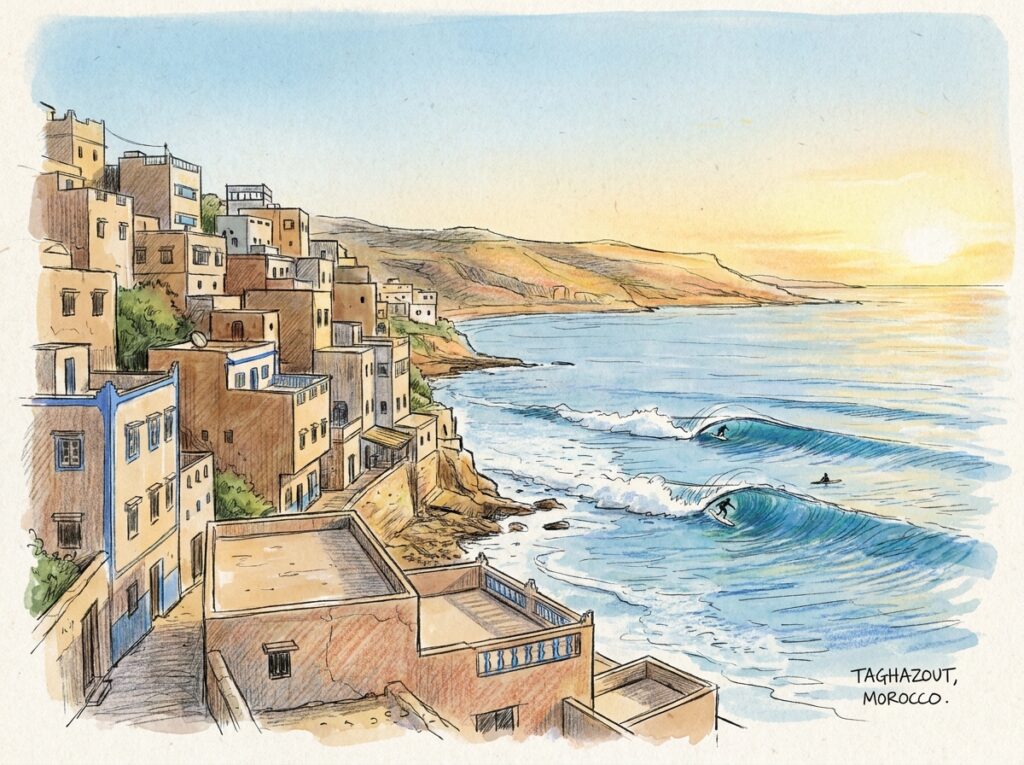
Whether you are planning a quick ten-day escape or a full month of chasing waves between Taghazout and Imsouane, this guide gives you real numbers so you can plan with confidence. Morocco is also one of the best surfing destinations for beginners thanks to its gentle beach breaks and abundance of surf schools.
Why Morocco Is a Top Surf Trip Destination in 2026
Morocco sits at the crossroads of Africa and Europe, making it incredibly accessible from most European airports. Budget airlines now fly direct to Agadir, Marrakech, and Essaouira for surprisingly low fares. The country offers world-class right-hand point breaks, mellow beach breaks, and everything in between.
Beyond the waves, Morocco delivers a cultural experience that is hard to match. The food is outstanding, the people are welcoming, and the cost of living is a fraction of what you would spend in Portugal, France, or the Canary Islands. The mental health benefits of surfing alone make it a worthwhile pursuit.
The surf scene in Morocco also carries a rich heritage tied to decades of travelling surfers and local watermen. Learning about the history of surf culture adds a deeper layer of appreciation when you paddle out at legendary spots like Anchor Point or Killer Point.
Best Time to Visit Morocco for Surfing
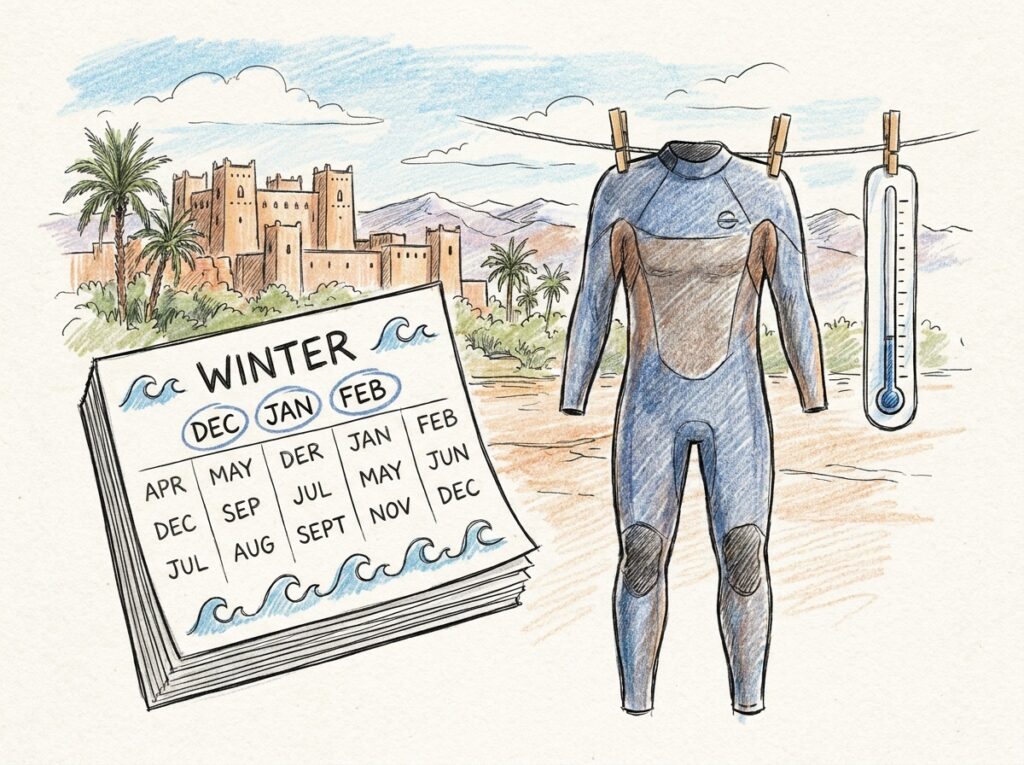
The prime surf season in Morocco runs from October through March, when powerful North Atlantic swells push consistent waves to the coastline. Winter months deliver the biggest and most reliable surf, with wave faces regularly reaching two to three metres.
For beginners or those on a tighter budget, the shoulder seasons of September to October and March to April offer smaller, more manageable waves and slightly lower prices. Learning to read a surf wave forecast before your trip will help you time your sessions perfectly.
Flights to Morocco: What to Expect in 2026
Flight costs vary significantly depending on your departure city and how far in advance you book. Here is a general range for return flights to Agadir or Marrakech:
From Europe (UK, France, Spain, Germany): €40–€180 return on budget airlines like Ryanair, EasyJet, or Transavia.
From North America: $500–$900 return, usually with one connection through a European hub.
From Australia or Asia: $1,000–$1,600 return, typically with two stops.
Booking two to three months in advance during shoulder season can save you up to 40 percent compared to last-minute winter bookings.
Accommodation Costs in Morocco
Morocco offers a wide spectrum of accommodation options. The coastal surf towns of Taghazout, Tamraght, and Imsouane are the most popular bases, and prices here remain very competitive.
Budget hostels and shared rooms: €8–€15 per night. You will get a bed, shared bathroom, and often a communal kitchen. Many hostels in Taghazout sit within walking distance of the main breaks.
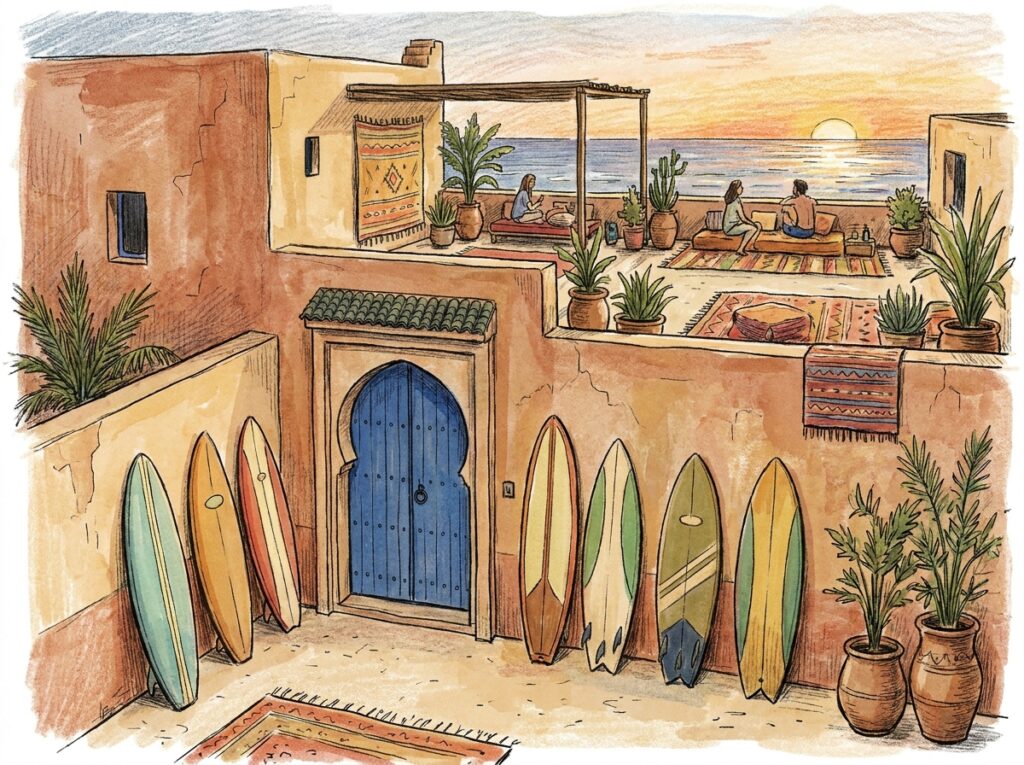
Mid-range guesthouses and riads: €25–€50 per night. These typically include breakfast, private rooms, and rooftop terraces with ocean views. This is the sweet spot for most surf travellers.
Surf camps (all-inclusive): €350–€700 per week. A surf camp package usually covers accommodation, breakfast and dinner, daily surf coaching, equipment rental, and transport to the best breaks. This is the most convenient option, especially if you are still learning how to surf.
Private apartments (long stays): €300–€600 per month. If you are planning a month or longer, renting a furnished apartment in Tamraght or Taghazout is extremely affordable.
Surf Equipment Rental and Purchase
Unless you are bringing your own board, you will need to rent or buy equipment locally. Morocco’s surf towns have dozens of rental shops, and prices are standardised across most of them.
Surfboard rental: €7–€15 per day, or €40–€70 per week. Soft-top boards for beginners are on the cheaper end, while fiberglass shortboards cost more. If you are unsure what board suits your level, reading about how to choose a surfboard size is a great starting point.
Wetsuit rental: €5–€10 per day. During winter, you will need at least a 3/2mm wetsuit, and a 4/3mm is recommended for December through February. Knowing how to choose a wetsuit for surfing ensures you stay comfortable in the water.
Buying a used board locally: €80–€200. Many travellers sell their boards at the end of a trip. If you are a beginner, the best surfboards for beginners are typically soft-tops or wide funboards that offer plenty of stability.
For those interested in longboarding, Morocco’s point breaks are ideal for smooth, nose-riding sessions. Check out the best longboard surfboards to find a board that matches the Moroccan wave style.
Surf Lessons and Coaching
If you are new to surfing or looking to progress faster, hiring a local surf instructor is one of the best investments you can make on your trip.
Group surf lessons: €25–€40 per session (usually two hours). Most schools provide the board and wetsuit in the price. Group sizes are typically four to six people.
Private surf coaching: €50–€80 per session. This is ideal if you want personalised feedback on your pop-up, positioning, or wave selection.
Week-long surf courses: €150–€250 for five sessions. Many schools offer discounted packages when you commit to a full week. Getting physically prepared before your trip will help you get more out of every session.
Food and Drink Costs
Moroccan food is one of the highlights of any trip, and it is remarkably affordable.
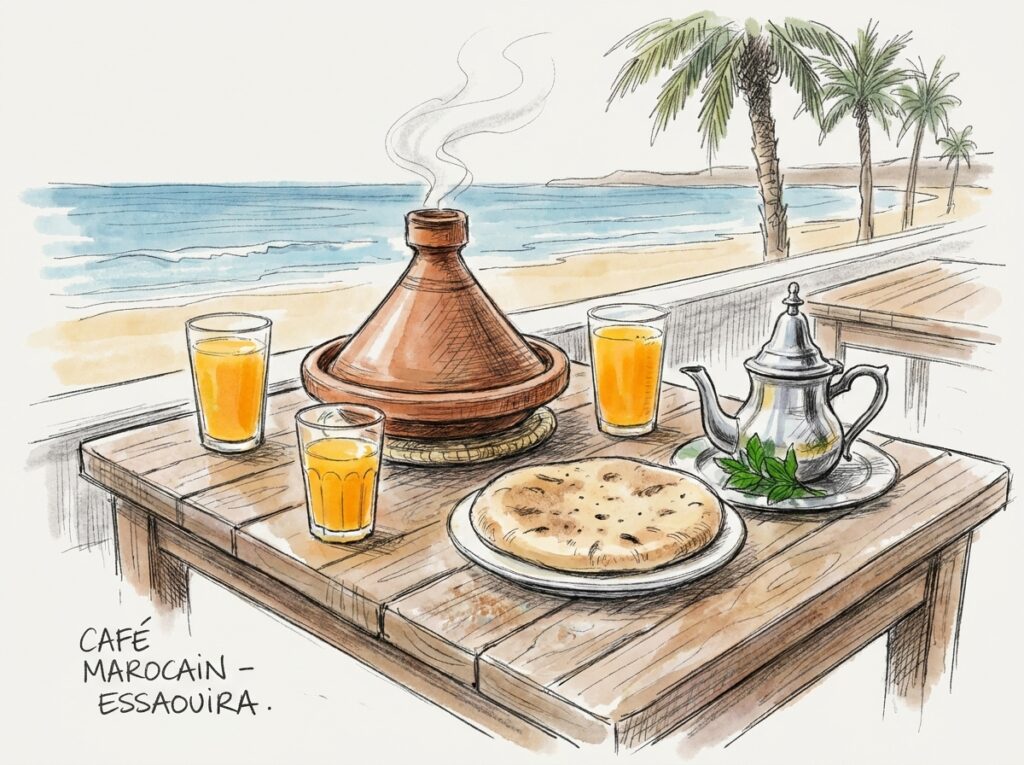
Street food and local cafés: A tagine with bread costs €3–€5. A fresh-squeezed orange juice is €0.50–€1. A plate of grilled fish at a beachside café runs around €4–€7. Eating like a local keeps your daily food budget between €10 and €15.
Mid-range restaurants: A full meal with appetiser, main, and drink costs €10–€18. Taghazout and Essaouira have a growing number of international restaurants catering to surf travellers.
Self-catering: If you have access to a kitchen, shopping at local souks and markets is incredibly cheap. You can feed yourself for €5–€8 per day buying fresh vegetables, bread, eggs, and canned goods.
Coffee and snacks: Moroccan mint tea is often free or costs under €1. A coffee at a surf café runs €1.50–€3. Budget around €3–€5 per day for drinks and snacks.
Transport Within Morocco
Getting around Morocco is straightforward and affordable, though it helps to know your options.
Airport transfer (Agadir to Taghazout): €15–€25 by shared shuttle or pre-arranged transfer. Services like those offered through SurfStar.net can arrange airport pickups and transfers directly to your surf camp.
Local transport: Grand taxis between towns cost €1–€3 per seat. Getting from Tamraght to Taghazout is about €0.50 by shared taxi.
Renting a car: €15–€30 per day for a basic vehicle. Having a car opens up access to less crowded breaks south of Agadir or up toward Essaouira. Petrol is around €1.20 per litre.
Surf transport (to remote breaks): Some surf camps and services offer daily guided surf trips to the best breaks based on current conditions. These guided excursions typically cost €15–€30 per person.
What to Pack for a Surf Trip to Morocco
Packing smart saves money and hassle. Morocco has a warm, dry climate, but mornings and evenings can be cool, especially in winter. A full packing guide for what to wear surfing covers the essentials for both in and out of the water.
Do not forget reef-safe sunscreen, as the Moroccan sun is intense even in winter. Board wax is cheap and available everywhere, but understanding why you need to wax a surfboard properly ensures better grip and performance.
If you are bringing your own board, learn some basic DIY eco-friendly board repair techniques before you go. Small dings are common when travelling, and being able to fix them yourself saves both money and time.
Staying Safe in the Water
Morocco’s coastline includes powerful breaks with rocks, currents, and occasional big swells that demand respect. Reviewing essential surfing safety tips before paddling out at unfamiliar spots is crucial, especially at reef breaks like Boilers and Killer Point.
Always surf with others, let someone know where you are going, and never overestimate your ability. If you are transitioning from snowboarding or skateboarding to surfing, the learning curve may feel familiar, but the ocean adds variables. Read about whether surfing is like snowboarding for an honest comparison.
Full Budget Breakdown: 10-Day Surf Trip to Morocco (2026)
Here is a realistic budget summary for a ten-day surf trip, broken down by traveller type:
| Expense | Budget | Mid-Range | Comfort |
| Flights (Europe) | €80 | €140 | €180 |
| Accommodation (10 nights) | €100 | €350 | €600 |
| Surf equipment rental | €50 | €70 | €100 |
| Surf lessons / coaching | €0 | €120 | €250 |
| Food and drink | €120 | €180 | €280 |
| Transport | €30 | €60 | €150 |
| Extras (SIM, tips, souvenirs) | €20 | €50 | €100 |
| Total | €400 | €970 | €1,660 |
These figures show that a solid surf trip to Morocco can cost as little as €400 for ten days if you are willing to stay in hostels, eat local food, and bring your own gear. A comfortable mid-range trip lands just under €1,000, which is still dramatically cheaper than comparable trips to Bali, Costa Rica, or the Canary Islands.
How SurfStar.net Can Help You Plan Your Trip
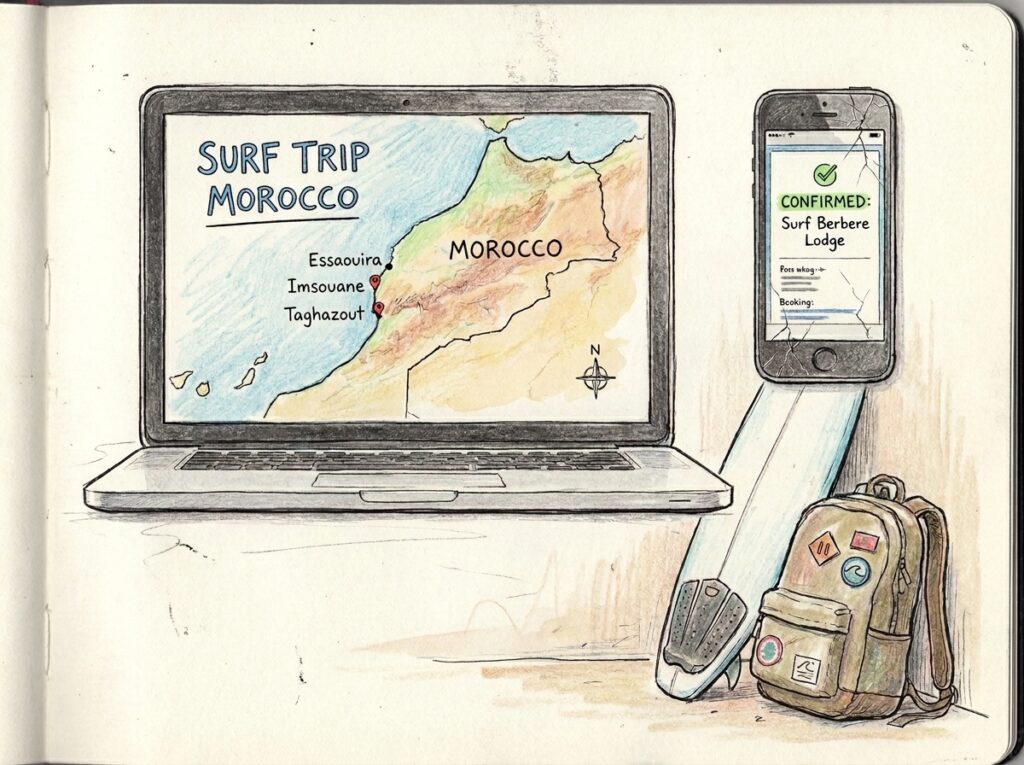
Planning a surf trip involves more than just booking a flight. SurfStar.net offers a range of services designed to make your Moroccan surf experience seamless. From airport transfers and surf camp bookings to guided surf excursions to the best daily breaks, their local expertise takes the guesswork out of your trip.
They can also connect you with trusted local instructors, arrange equipment rental in advance, and recommend the best accommodation based on your budget and skill level. Whether you are a complete beginner or an experienced surfer looking for uncrowded waves, SurfStar.net provides personalised trip planning that saves you time and money.
Money-Saving Tips for Your Morocco Surf Trip
A few simple strategies can stretch your budget even further. Book flights during midweek sales and use fare alert tools to catch price drops. Travel during shoulder season when both flights and accommodation are cheaper.
Eat at local spots rather than tourist-facing restaurants. A tagine at a family-run café in the medina costs half what you would pay on the main strip. Buy a local SIM card for €5 instead of paying roaming charges.
Consider renting a board for the full week rather than paying the daily rate. If you plan to surf regularly after your trip, buying a used board locally and shipping it home can actually be cheaper than repeated rentals.
Finally, wind down your evenings with a classic surf film. Morocco’s laid-back vibe pairs perfectly with watching some of the best surfing movies from your riad rooftop.
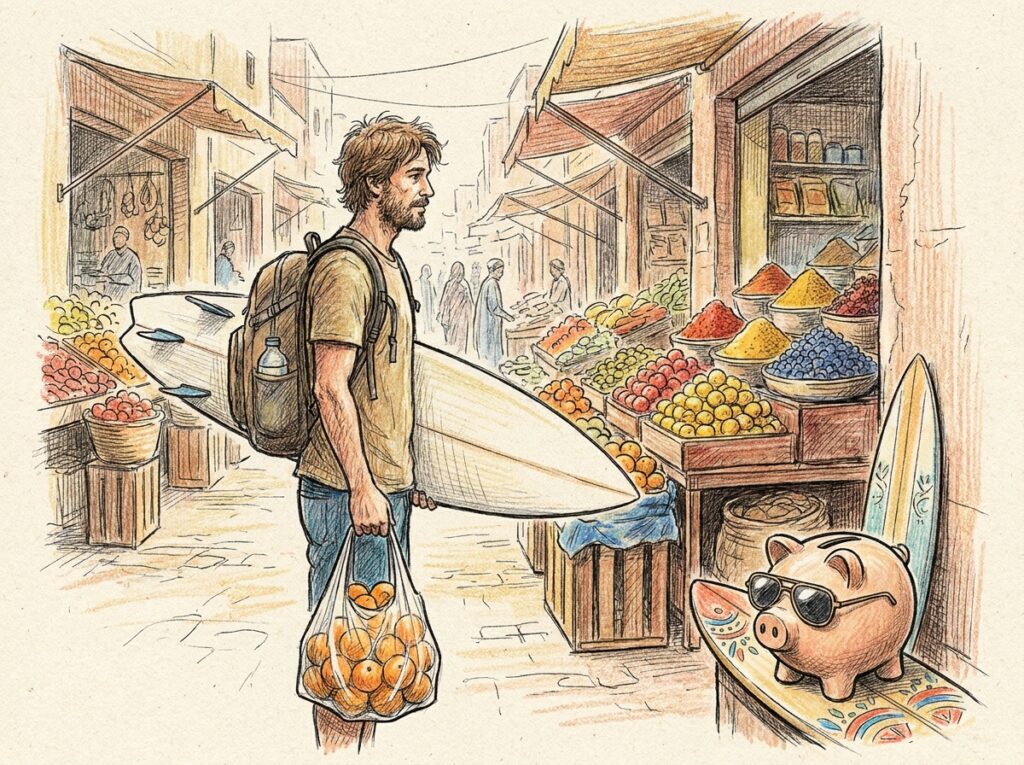
Final Thoughts
A surf trip to Morocco in 2026 delivers exceptional value no matter your budget. The waves are world-class, the culture is enriching, and the costs remain a fraction of other major surf destinations. With proper planning, the right equipment, and a solid understanding of what to expect, you can have the surf adventure of a lifetime without breaking the bank.