
This article contains affiliate links, which means we may earn a commission if you make a purchase through these links, at no extra cost to you.
Spending hours in the water under direct sun is one of the great joys of surfing — and one of the fastest ways to damage your skin if you’re not protected. The best sunscreen for surfers isn’t just about SPF. It needs to stay on through wipeouts, survive hours of saltwater exposure, and be safe for the reefs you’re surfing over.
Most standard sunscreens contain oxybenzone and octinoxate — chemicals shown to damage coral reefs and marine ecosystems. Reef-safe, mineral-based sunscreens use zinc oxide and titanium dioxide instead, which sit on top of the skin and physically block UV rays without releasing harmful chemicals into the water.
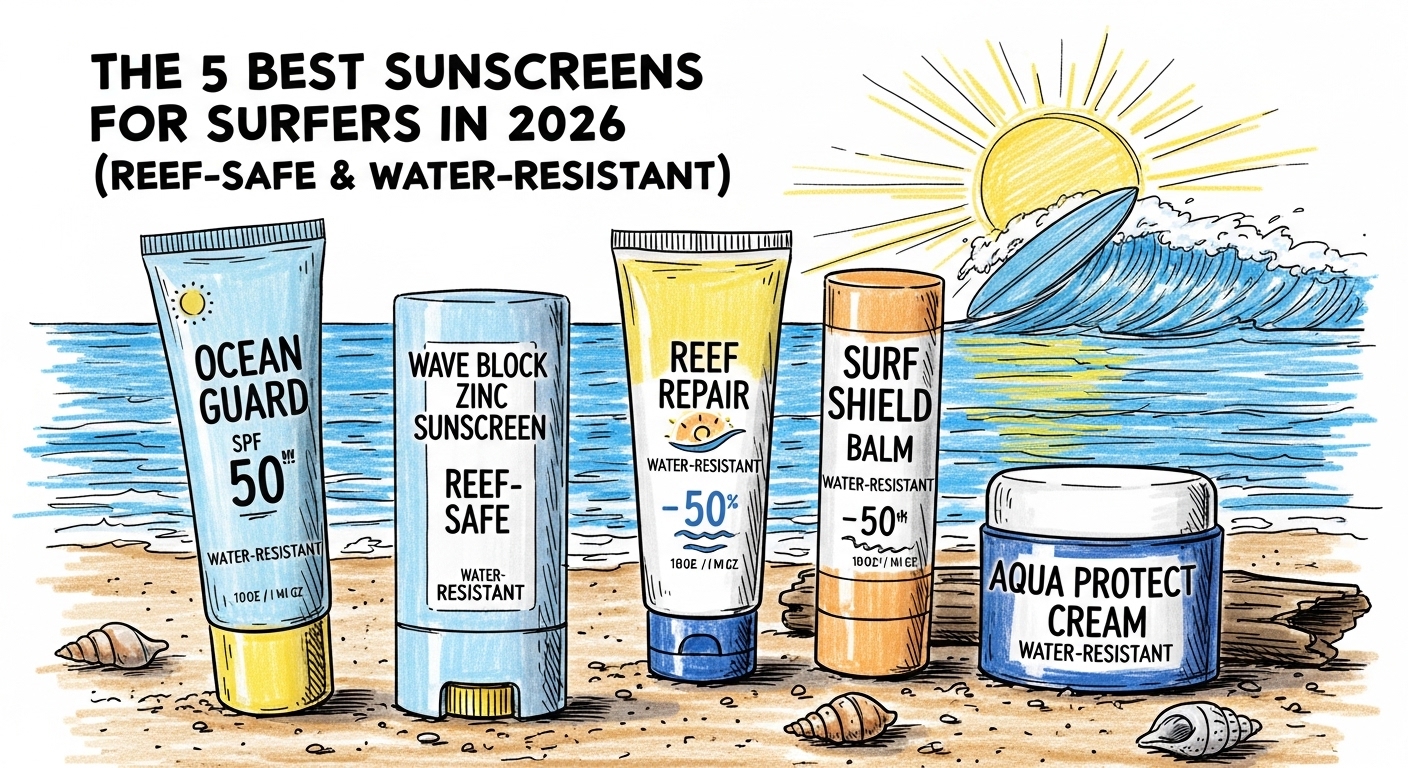
In this guide, we break down the 5 best reef-safe sunscreens for surfers available right now — covering SPF protection, water resistance, skin feel, and who each one is best for.
Why Surfers Need a Different Kind of Sunscreen
Not all sunscreens are created equal — and a sunscreen designed for a day at the park won’t cut it in the surf. Surfers face a unique combination of conditions that demand more from their sun protection:
- Extended water exposure: Most sunscreens are water-resistant for 40 or 80 minutes. As a surfer, you need 80-minute resistance as a minimum, and you need to reapply between sessions.
- Reflected UV: Water reflects up to 25% of UV radiation back at you, meaning you’re getting hit from above and below simultaneously.
- Wind and saltwater: Salt, wind, and constant movement break down sunscreen faster than a standard beach day.
- Reef safety: Hawaii, Palau, Mexico, and several other surf destinations have banned oxybenzone and octinoxate sunscreens entirely to protect coral ecosystems.
The good news is that mineral zinc oxide sunscreens tick all of these boxes. They’re the most reliable option for surfers who want strong protection without damaging the breaks they love. For more on staying safe in the ocean, check out our guide to essential surfing safety tips for challenging ocean conditions.
Quick Comparison: Top 5 Sunscreens for Surfers
| Product | Type | Best For | Price | Buy on Amazon |
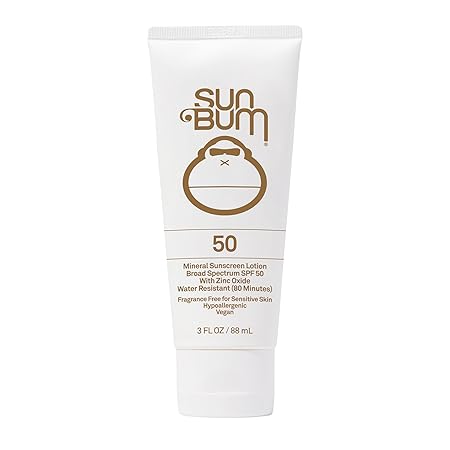
| Sun Bum Mineral SPF 50 | Mineral zinc | Everyday surfers | 18 $ | Buy on Amazon |
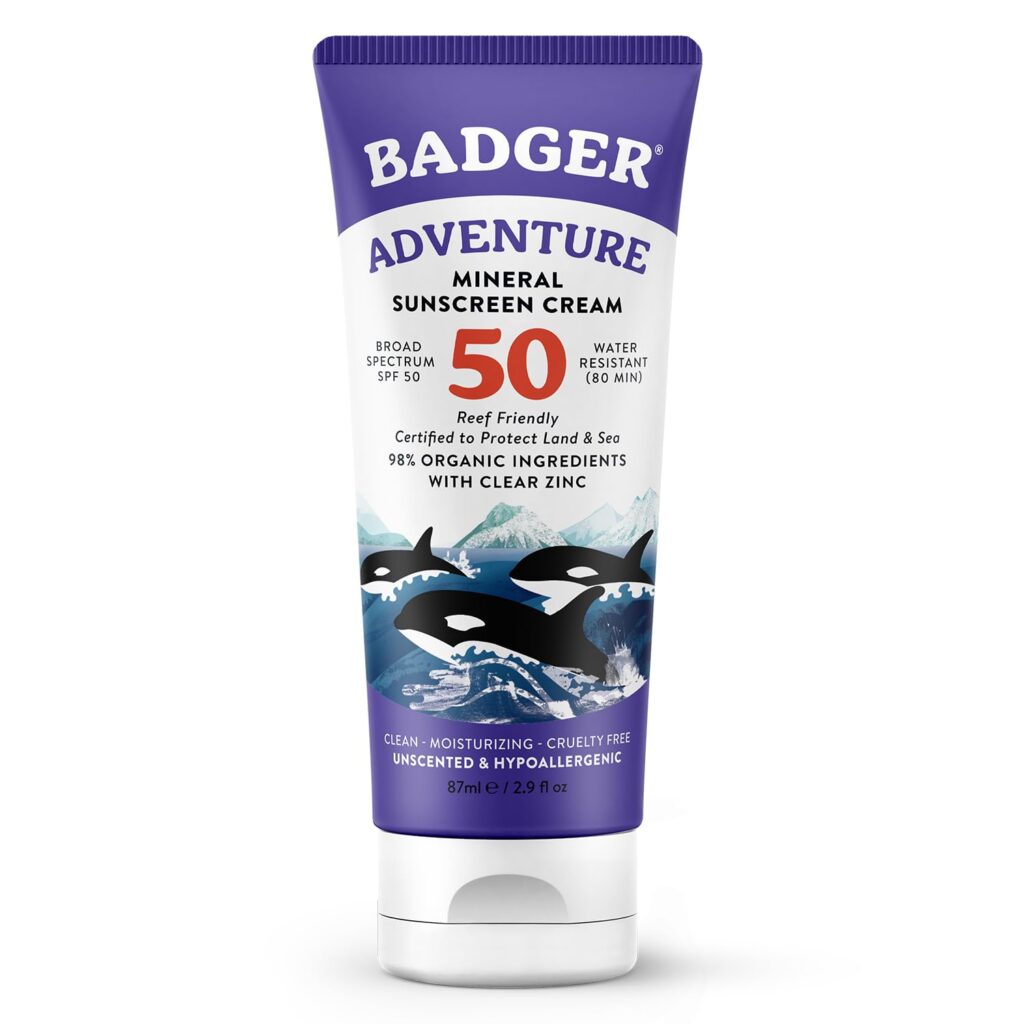
| Badger Sport Mineral SPF 50 | Organic zinc | Eco-conscious surfers | 19 $ | Buy on Amazon |
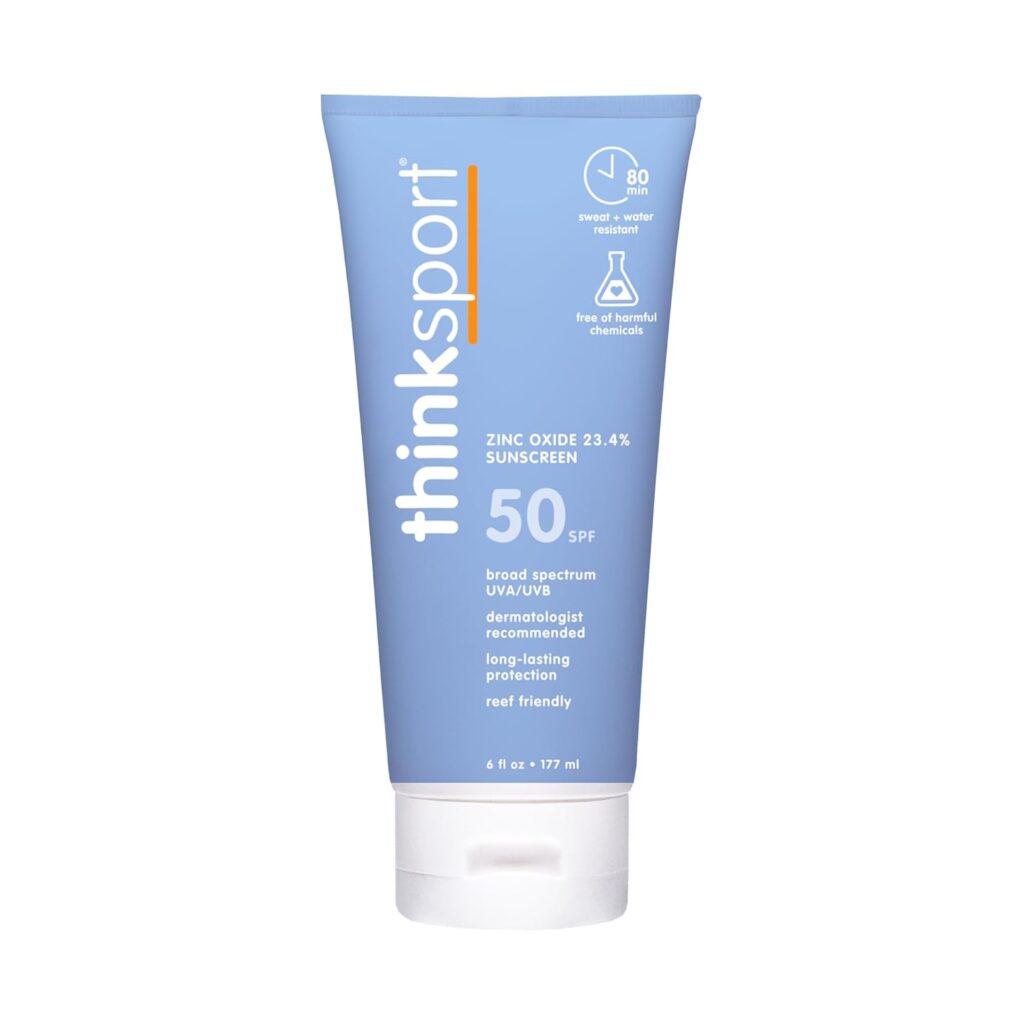
| Thinksport SPF 50+ | Mineral zinc | Athletes & long sessions | 25 $ | Buy on Amazon |
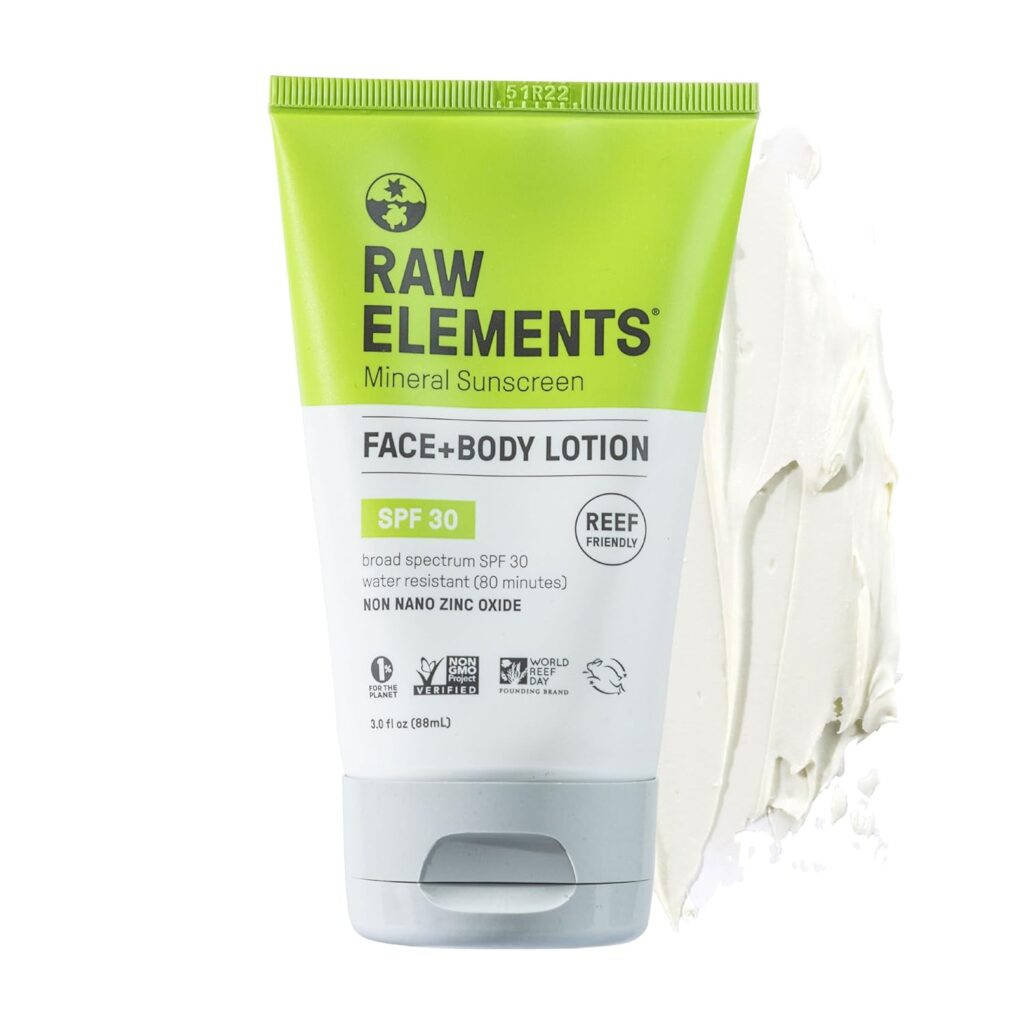
| Raw Elements Face & Body SPF 30 | Organic non-nano zinc | Eco & surf-specific | 24 $ | Buy on Amazon |
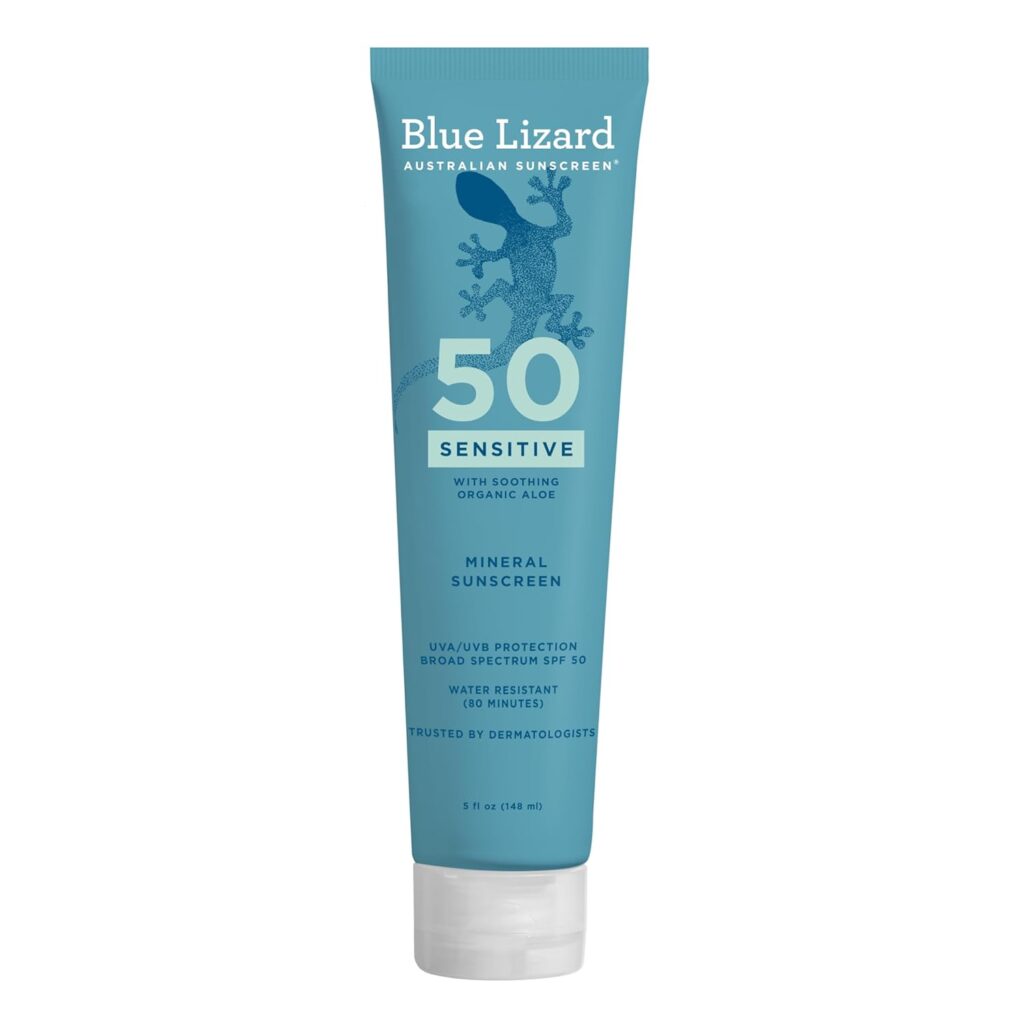
| Blue Lizard Sensitive SPF 50 | Mineral zinc + TiO2 | Sensitive skin | 22 $ | Buy on Amazon |
1. Sun Bum Mineral SPF 50 — Best Overall Sunscreen for Surfers
The Sun Bum Mineral SPF 50 is one of the most popular reef-safe sunscreens among surfers worldwide — and it earns that reputation. It’s zinc-based, vegan, and Hawaii 104 Act compliant, which means it’s free from oxybenzone and octinoxate.
How It Works
Sun Bum Mineral uses zinc oxide as its sole active ingredient. The formula sits on top of the skin as a physical barrier, reflecting UVA and UVB rays rather than absorbing them into the skin. Unlike chemical sunscreens, there’s no waiting period — it starts working immediately on application.
Key Features
- SPF 50 broad spectrum UVA/UVB protection
- 80-minute water resistance
- Zinc oxide-based — no oxybenzone or octinoxate
- Hawaii 104 Act compliant and reef-safe
- Enriched with Vitamin E — moisturizing on the skin
- Vegan, gluten-free, and cruelty-free
Who Is It For?
Sun Bum Mineral is the go-to for everyday surfers who want reliable protection without overthinking it. The lightweight formula applies easily even when your hands are wet, and it doesn’t leave an overwhelming white cast compared to many zinc-based competitors.
If you’re just getting into the sport, pair your sunscreen routine with a read through the best surfing destinations for beginners — many beginner-friendly spots are in high-UV tropical climates where quality sun protection is non-negotiable.
2. Badger Sport Mineral SPF 50 — Best Organic Sunscreen for Surfers
For surfers who want the cleanest possible ingredients list, the Badger Sport Mineral SPF 50 is as close to nature as it gets. Made with just four ingredients, it’s 98% organic and certified to some of the strictest standards in the sunscreen market.
How It Works
Badger uses large-particle, non-nano zinc oxide as its only active ingredient. The formula is clear zinc — meaning it doesn’t leave nanoparticles that could be absorbed through the skin or washed into the ocean. The four-ingredient formula (zinc oxide, sunflower oil, beeswax, vitamin E) gives you pure mineral protection with nothing extra.
Key Features
- 98% organic, just 4 ingredients
- Non-nano zinc oxide — no nanoparticles
- SPF 50 broad spectrum protection
- 80-minute water resistance
- Reef-safe, biodegradable, and Hawaii Act 104 compliant
- Women-owned family business, 100% solar-powered production
Who Is It For?
Badger is the pick for eco-conscious surfers, those with sensitive or allergy-prone skin, and anyone who wants to know exactly what they’re putting on their body. The formula is thicker than most, so warm it between your hands before applying — it will rub in much more smoothly.
Surfers who care about what goes on their body often care about what goes on their board too. If that sounds like you, take a look at our guide to eco-friendly DIY board repairs for sustainable alternatives to standard resin and repair products.
3. Thinksport SPF 50+ — Best Sunscreen for Long Surf Sessions
The Thinksport SPF 50+ was the first sunscreen to pass Whole Foods Premium Care requirements, and it consistently ranks at the top of the EWG Sunscreen Guide for safety and effectiveness. It’s built for athletic use — which makes it a natural fit for surfers.
How It Works
Thinksport uses a high concentration of zinc oxide (20%) for maximum broad-spectrum protection. The formula is designed to stay on under serious physical activity — sweat, waves, and repeated immersion. Protection begins instantly on application, with no absorption time required.
Key Features
- SPF 50+ with 20% zinc oxide — highest mineral concentration on the list
- 80-minute water and sweat resistance
- Free from PABA, parabens, phthalates, BPA, oxybenzone, and avobenzone
- Leaping Bunny certified cruelty-free
- Vegan formula — no animal-derived ingredients
- Rated #1 by EWG for safety and efficacy
Who Is It For?
Thinksport is ideal for surfers who spend multiple hours in the water, particularly in high-UV environments. The higher zinc concentration makes it one of the most protective options available, making it a smart pick for travel surfers chasing sun in locations like Morocco, Indonesia, or Central America.
If you’re surfing harder and more often, your fitness and conditioning needs to keep up. Read our surfing fitness guide for the best cross-training and paddle fitness routines to match your progression.
4. Raw Elements Face & Body SPF 30 — Best Eco Surf Sunscreen
The Raw Elements Face & Body SPF 30 was developed by an ocean lifeguard with one purpose: to create the safest, most ocean-friendly sunscreen possible for people who spend their lives in the water. It’s certified organic, plastic-free, and used by lifeguards and surf instructors worldwide.
How It Works
Raw Elements uses non-nano zinc oxide (23%) as its sole active ingredient. The formula is packed with biologically active antioxidants — green tea, black tea, coffee bean extract, hemp seed oil, and cocoa butter — that continue protecting the skin long after sun exposure. The result is a sunscreen that protects while it’s on and keeps nourishing after you rinse off.
Key Features
- Non-nano zinc oxide 23% — reef-safe and skin-safe
- Certified organic with 10+ antioxidant-rich botanicals
- 80-minute water resistance
- Packaged in a bio-resin tube made from sugarcane — plastic-free
- Safe for all ages — babies, kids, and adults
- Biodegradable and certified reef-safe
Who Is It For?
Raw Elements is the choice for surfers who are deeply committed to ocean conservation and want a sunscreen that reflects those values in every detail — from formula to packaging. It’s thicker than conventional lotions, but it delivers serious protection for long sessions in serious conditions.
Like the ocean lifeguards who developed Raw Elements, experienced surfers have a deep relationship with the sea that goes back generations. Explore the history of surf culture to understand how that connection has shaped everything from gear choices to environmental advocacy.
5. Blue Lizard Sensitive Mineral SPF 50 — Best for Sensitive Skin
The Blue Lizard Sensitive Mineral SPF 50 rounds out our list with a dermatologist-recommended formula trusted for over 20 years. It’s the top pick for surfers with sensitive, reactive, or rosacea-prone skin who can’t afford irritation in the sun and saltwater.
How It Works
Blue Lizard uses both zinc oxide and titanium dioxide as its active mineral ingredients, giving it a dual-mineral protection system. The formula is infused with organic aloe vera to soothe and hydrate the skin — especially important in saltwater conditions that can dry and irritate sensitive complexions. It comes in a Smart Cap bottle that changes color in harmful UV light, reminding you when it’s time to reapply.
Key Features
- Dual mineral formula — zinc oxide and titanium dioxide
- SPF 50 broad spectrum UVA/UVB protection
- 80-minute water resistance
- Formulated with organic aloe vera — soothes sensitive skin
- Free from oxybenzone, octinoxate, parabens, phthalates, and fragrances
- Smart Cap technology changes color in UV light
- Dermatologist-recommended — trusted for 20+ years
Who Is It For?
Blue Lizard Sensitive is the best option for surfers with sensitive or allergy-prone skin, those prone to sunburn or redness, or anyone who has reacted badly to other sunscreens in the past. The hypoallergenic, fragrance-free formula makes it one of the gentlest options on the market without sacrificing protection.
If sensitive skin is a concern, getting your wetsuit fit right matters too — a poorly fitted suit can cause rash and chafing. Our guide to how to choose a wetsuit for surfing walks you through fit, thickness, and material to keep your skin happy session after session.
What to Look for in a Surf Sunscreen
Not all reef-safe sunscreens perform the same in the surf. Here’s what to prioritize when choosing:
- SPF 30 minimum, SPF 50 recommended: SPF 30 blocks about 97% of UVB rays. SPF 50 blocks around 98%. For surf use, the extra protection is worth it — especially in tropical or high-altitude environments.
- 80-minute water resistance: This is the FDA maximum for water-resistant claims. Any sunscreen rated at 40 minutes will wash off too quickly for a real surf session.
- Mineral vs. chemical: Mineral sunscreens (zinc oxide, titanium dioxide) are reef-safe, immediately effective, and better for sensitive skin. Chemical sunscreens use oxybenzone and octinoxate — avoid these in the surf.
- Non-nano zinc oxide: Nano-sized particles can penetrate the skin and marine environments more easily. Non-nano zinc is the cleanest option for both you and the reef.
- Texture and application: Thicker formulas offer more coverage but can leave a white cast. Lighter mineral lotions spread more easily but may not last as long. Find the balance that works for your skin type.
Sun protection is just one piece of the gear puzzle. If you’re still figuring out what to wear in and out of the water, our breakdown of what to wear surfing covers rash guards, boardshorts, wetsuits, and every layer in between.
Does Reef-Safe Sunscreen Actually Protect as Well as Chemical Sunscreen?
Yes — and in some ways, better. The biggest misconception about mineral sunscreens is that they offer weaker protection than chemical formulas. The science says otherwise.
According to the Skin Cancer Foundation, zinc oxide is one of the most effective broad-spectrum UV filters available. Unlike chemical filters that absorb UV radiation and can degrade in sunlight, zinc oxide physically reflects both UVA and UVB rays — and its effectiveness doesn’t break down over time.
Where mineral sunscreens sometimes fall short is cosmetically — they can leave a white cast, particularly on darker skin tones. Tinted formulas and newer formulations are closing this gap significantly. Many surfers find the slight white cast a worthwhile trade-off for the protection, eco-credentials, and skin-friendly ingredients.
Surfing is a lifestyle built around respecting the ocean. That connection drives everything from the boards we ride to the sunscreen we choose. For more on the culture behind the sport, check out the best surfing movies of all time — a good watch when you’re out of the water and missing the ocean.
Frequently Asked Questions
How often should surfers reapply sunscreen?
Every 80 minutes in the water, and immediately after towel drying. If you’re taking a break on the beach between sessions, reapply before heading back out regardless of time — sweat, toweling off, and sun alone break down coverage faster than water.
Is SPF 30 enough for surfing?
SPF 30 provides solid protection (blocking ~97% of UVB rays) and is fine for shorter sessions in moderate UV conditions. For long sessions, tropical destinations, or highly reflective environments like whitewash-heavy beach breaks, SPF 50 gives you a meaningful extra margin. When in doubt, go higher.
Can I use face sunscreen on my body while surfing?
Technically yes, but face formulas tend to be pricier and smaller. For full-body application, a body-formula mineral sunscreen is far more practical and economical. Apply a dedicated face formula to your face, ears, and nose where coverage is most critical — and use your body formula for everything else.
Will reef-safe sunscreen wash off faster in the surf?
Not if you choose a product rated for 80 minutes of water resistance. All five products on this list meet that standard. The key is applying liberally before you paddle out — most people under-apply by up to 50%, which drastically reduces the effective SPF. Check out our surfing wave forecast guide to plan sessions where you know conditions in advance, so you can plan your protection accordingly.
Can I surf with reef-safe sunscreen in Hawaii and Mexico?
Yes — and it’s legally required in Hawaii. The Hawaii Reef Act 104 bans sunscreens containing oxybenzone and octinoxate, with fines for violations. All five products on this list are Hawaii Act 104 compliant. Several surf destinations in Mexico have introduced similar protections. For more on responsible surfing travel, check out how long it takes to learn to surf — planning your progression helps you choose the right destinations at the right time.
Final Verdict: The Best Sunscreen for Surfers
Here’s the quick breakdown by surfer type:
- Best overall: Sun Bum Mineral SPF 50 — trusted worldwide, easy to apply, and consistently reliable.
- Best organic: Badger Sport Mineral SPF 50 — four ingredients, 98% organic, and as clean as it gets.
- Best for long sessions: Thinksport SPF 50+ — highest zinc concentration and top EWG safety rating.
- Best eco pick: Raw Elements Face & Body SPF 30 — ocean-born brand with plastic-free, biodegradable packaging.
- Best for sensitive skin: Blue Lizard Sensitive SPF 50 — dermatologist-trusted, aloe-infused, and fragrance-free.
Whatever you choose, the most important rule is simple: apply it before you paddle out, apply it generously, and reapply between sessions. No sunscreen works if it isn’t on your skin.
Great surfing starts with great preparation. If you’re working on your progression in the water, our breakdown of the best surfboards for beginners will help you match the right board to your skill level — and the right sunscreen to the conditions you’re surfing in.