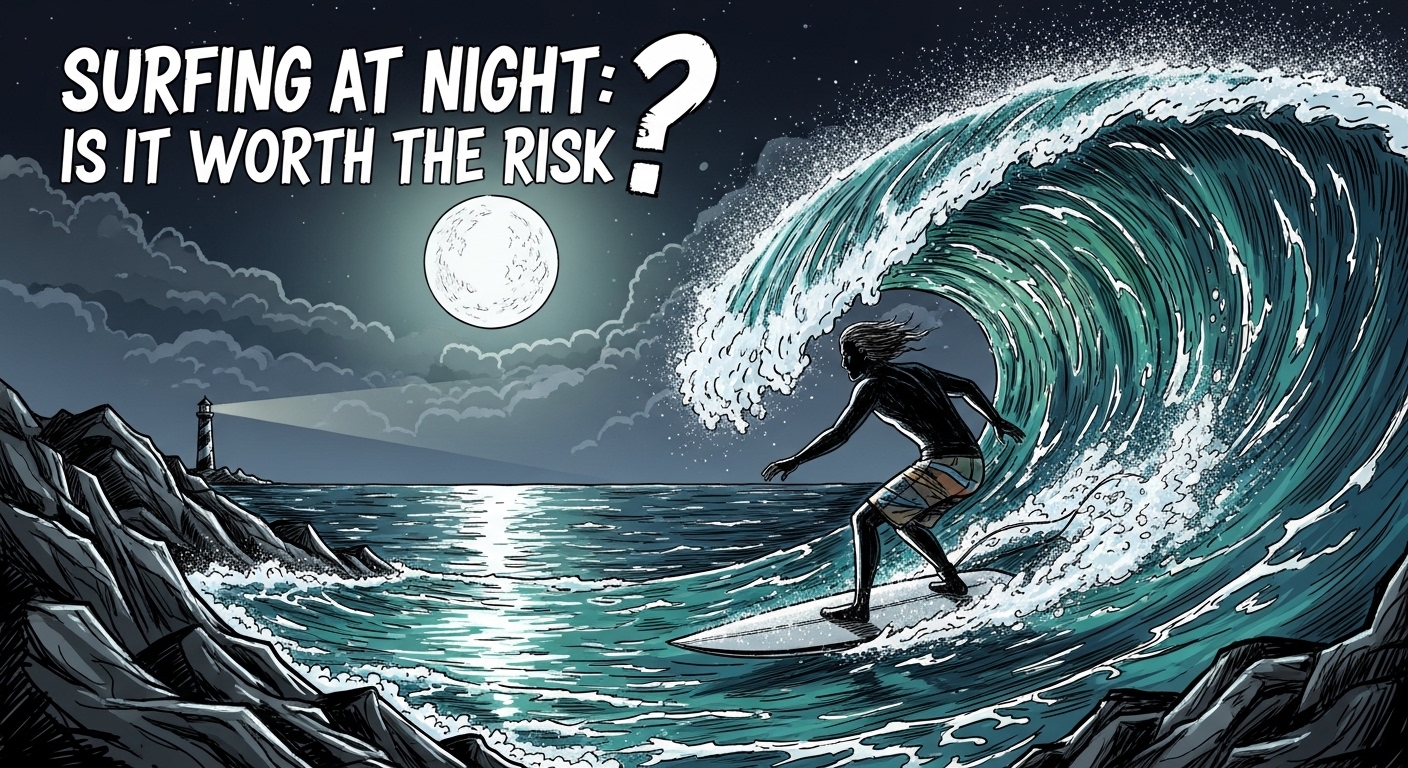

Surfing at night is one of the most thrilling and polarizing ideas in the surfing world. Some surfers chase the magic of riding waves under moonlight, while others consider it an unnecessary gamble with ocean safety. Whether you are a curious beginner or an experienced rider looking for a new challenge, the idea of paddling out after dark raises important questions about risk, reward, and preparation.
Night surfing is not a mainstream activity, but it has a dedicated following among adventurous wave riders around the globe. In this guide, we break down everything you need to know about surfing at night, from the real dangers involved to the gear that can keep you safer. We will also explore why some surfers find the experience deeply rewarding despite the obvious risks.
What Is Night Surfing and Why Do People Do It?
Night surfing refers to the practice of riding ocean waves after sunset, typically under moonlight, artificial lighting, or with the help of personal LED gear. It is not a new concept. Surfers in places like Hawaii and California have been experimenting with after-dark sessions for decades.
The appeal is both practical and emotional. For surfers with demanding work schedules, nighttime might be the only window available to hit the water. Others are drawn to the sensory experience itself. Without the visual dominance of daylight, your other senses sharpen. You feel the wave beneath you, hear the ocean more clearly, and connect with the water in a way that daytime surfing rarely offers.
There is also the solitude factor. Crowded lineups are one of the biggest frustrations in popular surf spots. At night, the ocean is almost always empty, giving you uninterrupted access to waves. For many, this alone makes the experience worth exploring.
The Real Dangers of Surfing at Night
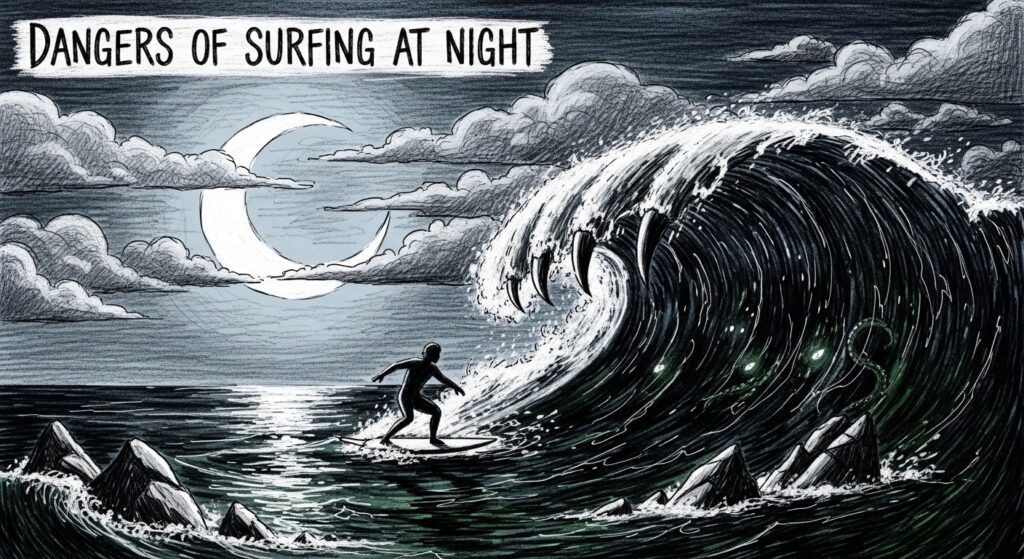
Before you grab your board and head out after dark, it is critical to understand the risks. Night surfing amplifies nearly every hazard that exists during the day, and it introduces several new ones.
Reduced Visibility
The most obvious danger is the inability to see clearly. During the day, you can read incoming sets, spot rocks or debris, and track other surfers in the water. At night, all of that disappears. Even on a bright full moon night, visibility in the water is dramatically reduced. This makes it harder to judge wave size, timing, and direction.
Reduced visibility also means you cannot see underwater hazards. Shallow reefs, submerged rocks, and floating debris become invisible threats. If you are unfamiliar with the break, this risk multiplies significantly. This is why understanding ocean safety fundamentals is absolutely essential before attempting a night session.
Increased Marine Life Activity
Many marine species are more active during nighttime hours. Sharks, in particular, tend to feed closer to shore during dawn, dusk, and nighttime. While shark attacks remain statistically rare, the risk does increase when you are in the water during their peak feeding periods. Stingrays, jellyfish, and other creatures also become more active after dark.
According to the International Shark Attack File maintained by the Florida Museum, most unprovoked shark encounters occur in low-visibility conditions. This does not mean a night surf session guarantees an encounter, but it is an elevated risk factor that every surfer should acknowledge.
Disorientation and Currents
Losing your sense of direction in the dark ocean is a real possibility. Without visible landmarks or a clear horizon, it becomes easy to drift without realizing it. Strong currents can pull you away from your entry point, and without daylight reference points, getting back to shore safely becomes much harder.
Learning how to read wave forecasts before heading out is a smart habit for any session, but it becomes non-negotiable for night surfing. You need to know the swell direction, tide movements, and current patterns before you ever touch the water.
Essential Gear for Surfing at Night Safely
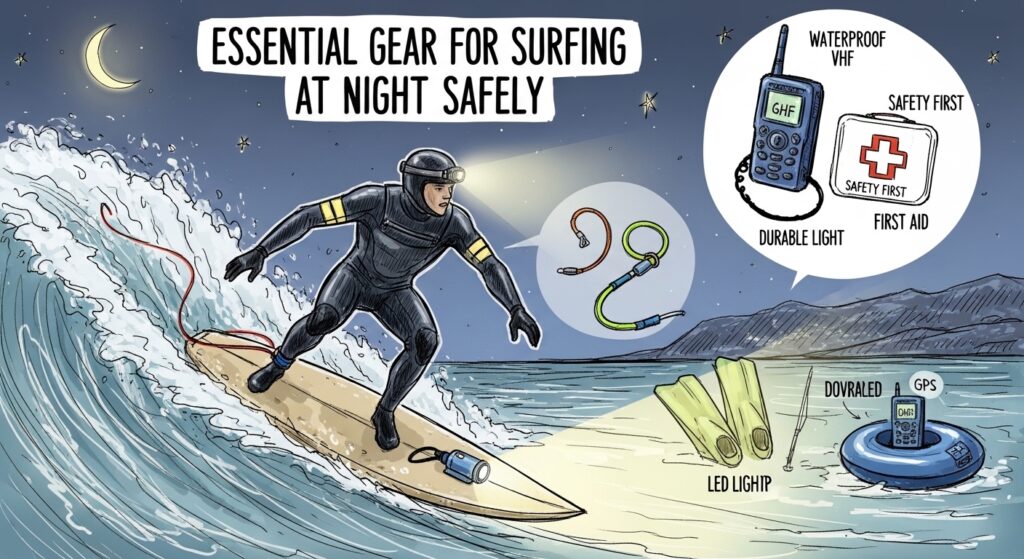
If you have weighed the risks and still want to try night surfing, having the right gear can make a significant difference in your safety and enjoyment.
LED Surfboard Lights and Glow Sticks
Waterproof LED lights designed for surfboards are probably the most important piece of night surfing equipment. These lights attach to the bottom or rails of your board and illuminate the water around you. They help you see incoming waves and, just as importantly, they help others see you.
Glow sticks can also be attached to your wetsuit or leash as a secondary visibility measure. Some surfers use LED strip lights along their board rails for maximum visibility. The goal is to make yourself as visible as possible, both to anyone on shore and to any rescue personnel.
Proper Wetsuit Selection
Temperatures drop significantly after sunset, and the water can feel much colder during a night session. Choosing the right wetsuit thickness is crucial for staying warm and avoiding hypothermia. A good rule of thumb is to go one thickness level higher than what you would normally wear during the day at that location.
If you are unsure about what to wear, our guide on how to choose a wetsuit for surfing covers everything from water temperature charts to fit and material recommendations. You should also consider what to wear surfing in general, including booties, gloves, and hoods for colder conditions.
Communication and Safety Devices
A waterproof whistle, a personal locator beacon, or even a waterproof phone pouch can be lifesaving tools during a night surf. These items allow you to signal for help if you get into trouble. A buddy on shore with a spotlight is another excellent safety measure that many experienced night surfers swear by.
How to Prepare for Your First Night Surf Session
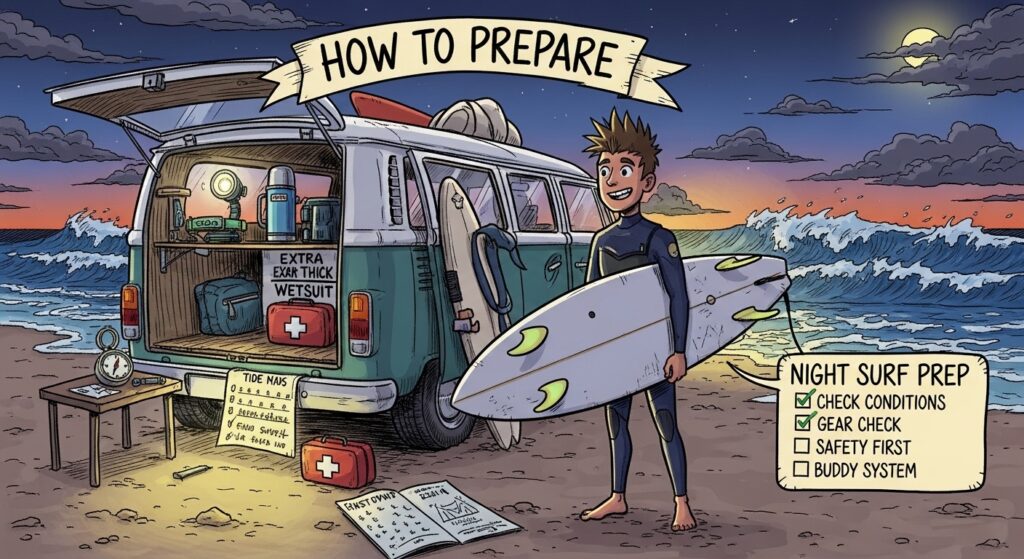
Preparation is the single biggest factor that separates a memorable night surf from a dangerous one. Here is how to approach your first after-dark session intelligently.
Know the Break Inside and Out
Never attempt night surfing at a spot you have not surfed many times during the day. You need to know the bottom contour, the entry and exit points, where the rip currents run, and where any hazards sit beneath the surface. Familiarity with your spot is your single greatest safety asset after dark.
If you are still building your experience, start by visiting some of the best surfing destinations for beginners and get comfortable in those environments during daylight before ever considering a night session.
Choose the Right Conditions
Full moon nights offer the best natural lighting for night surfing. Calm, small to medium swells with clean wave faces are ideal. Avoid nights with large or unpredictable surf, strong offshore winds, or storm activity. The conditions should be well within your comfort zone, not pushing your limits.
Checking the forecast thoroughly is a must. Understanding how long it takes to learn how to surf also puts into perspective why beginners should hold off on night sessions until they have solid fundamentals and ocean awareness.
Never Surf Alone
This rule applies to daytime surfing as well, but it is absolutely critical at night. Always have at least one buddy in the water with you and ideally someone watching from shore. If something goes wrong in the dark, having another person nearby can be the difference between a scare and a tragedy.
Choosing the Right Board for Night Surfing
Your board choice matters more at night than you might think. Since you are relying more on feel than sight, a board with extra stability and volume can boost your confidence and safety.
Longboards are a popular choice for night surfing because they offer more stability, easier paddling, and a smoother ride. If you are considering one, our breakdown of the best longboard surfboards can help you find the right fit. For those who prefer a shorter board, the key is to choose something you are extremely comfortable riding.
Getting the right board size for your body and skill level is always important. Our guide on how to choose surfboard size walks you through the factors that matter most. Beginners may also want to review the best surfboards for beginners to ensure they are riding something forgiving and stable enough for low-visibility conditions.
The Mental and Emotional Side of Surfing at Night
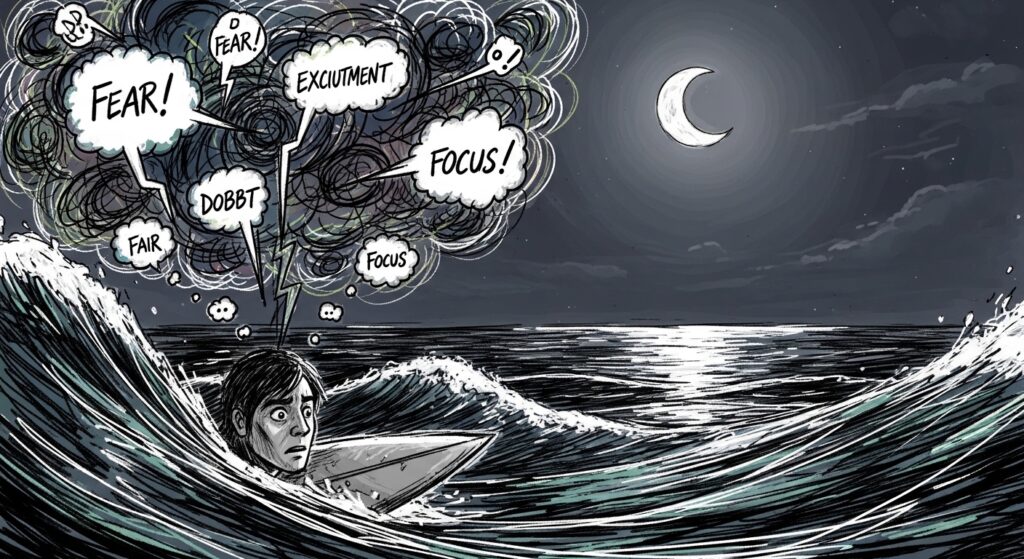
Night surfing is as much a mental challenge as a physical one. The darkness strips away your visual comfort zone and forces you to trust your instincts, your body awareness, and your connection with the ocean. For some surfers, this is deeply meditative and rewarding.
Many who try it report a heightened sense of presence and focus. Without the distractions of a crowded beach or the ability to scan the horizon, your attention narrows to the immediate moment. This kind of mindful engagement with the ocean connects to the broader mental health benefits of surfing that research continues to support.
However, the darkness can also trigger fear and anxiety, especially for those uncomfortable in open water. If you find yourself feeling panicked rather than focused, there is no shame in paddling back to shore. Night surfing should enhance your relationship with the ocean, not create a traumatic experience.
Physical Fitness and Night Surfing Performance
Surfing at night demands a higher baseline of physical fitness than a typical daytime session. Your muscles need to work harder to compensate for reduced visual input, and your reaction time must be sharper because you have less warning before a wave arrives.
Maintaining a solid surfing fitness routine will prepare your body for the extra demands of night sessions. Core strength, balance, and cardiovascular endurance are all critical. The fitter you are, the more confident and capable you will feel in the dark.
Board Maintenance for Night Sessions
Night surfing can be tougher on your equipment than you realize. Limited visibility means you are more likely to scrape rocks or hit submerged objects. Checking your board carefully before and after each session is important.
Make sure your board’s wax is fresh and grippy before heading out. Our article on why you should wax a surfboard explains why proper traction is essential, especially when you cannot rely on your eyes to position your feet correctly.
If you do pick up dings or cracks, handling repairs quickly prevents water damage to the foam core. Check out our guide on DIY eco-friendly board repairs for sustainable repair options you can do at home.
Is Surfing at Night Legal?
This varies by location. Some beaches have strict curfews or local ordinances that prohibit water activities after dark. Others may allow night surfing but restrict it to certain zones. Before planning a session, check with local authorities, lifeguard services, or beach management to confirm that after-dark surfing is permitted at your chosen spot.
Even where it is legal, be aware that lifeguard services are almost never available at night. You are entirely responsible for your own safety, which is another reason why preparation and having a buddy are so important.
Night Surfing and Surf Culture
Night surfing holds a special place in the broader tapestry of surf culture history. From early Hawaiian traditions of riding waves by torchlight to modern LED-equipped sessions captured on film, after-dark surfing has always represented the adventurous spirit at the core of the surfing lifestyle.
Some of the most visually stunning surf footage ever captured comes from night sessions. Filmmakers have used underwater LED arrays and drone lighting to create breathtaking short films that showcase the art of night surfing. If you want to explore how surfing has been portrayed on screen, our list of the best surfing movies features some incredible examples of the sport’s cinematic beauty.
Crossover Skills: Does Experience in Other Board Sports Help?
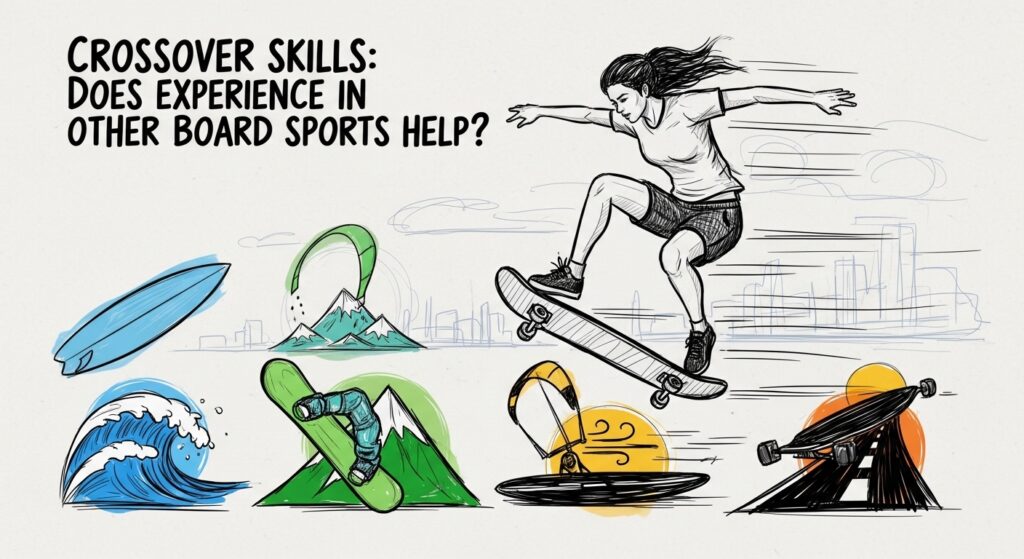
If you come from a snowboarding or skateboarding background, you might wonder whether those skills transfer to night surfing. The balance and board awareness you develop in other sports can certainly help. In fact, many surfers find that surfing and snowboarding share similar fundamentals in terms of edge control and weight distribution.
That said, the ocean is a completely different environment. Board sport crossover skills can give you a head start with balance and stance, but they will not prepare you for reading waves, managing currents, or handling the unique challenges of salt water. Build your ocean skills during daylight hours first.
Final Verdict: Is Surfing at Night Worth the Risk?
The honest answer is that it depends on who you are and how you prepare. For experienced surfers who know their local break intimately, maintain strong physical fitness, invest in proper safety gear, and never paddle out alone, night surfing can be an extraordinary and deeply rewarding experience.
For beginners or surfers unfamiliar with a particular spot, the risks outweigh the rewards. The ocean is unpredictable enough during the day. Adding darkness to the equation without adequate experience and preparation is simply not worth it.
If the idea excites you, start small. Surf your favorite break during a full moon evening when the waves are small and clean. Bring a buddy, light up your board, and keep your session short. As your comfort grows, you can gradually push your limits. Night surfing, done responsibly, can unlock a side of the ocean that most people never get to experience.