
When most surfers think of Morocco, Taghazout Bay immediately comes to mind. This famous fishing village has become synonymous with Moroccan surf culture, drawing thousands of wave riders each year to its consistent breaks and vibrant surf scene. However, Morocco’s coastline stretches over 1,800 kilometers along the Atlantic Ocean, hiding dozens of secret surf spots that remain relatively undiscovered by the masses. If you’re seeking uncrowded waves, authentic Moroccan experiences, and pristine beach breaks away from the tourist crowds, it’s time to explore Morocco’s secret surf spots beyond Taghazout Bay.
Why Venture Beyond Taghazout Bay?
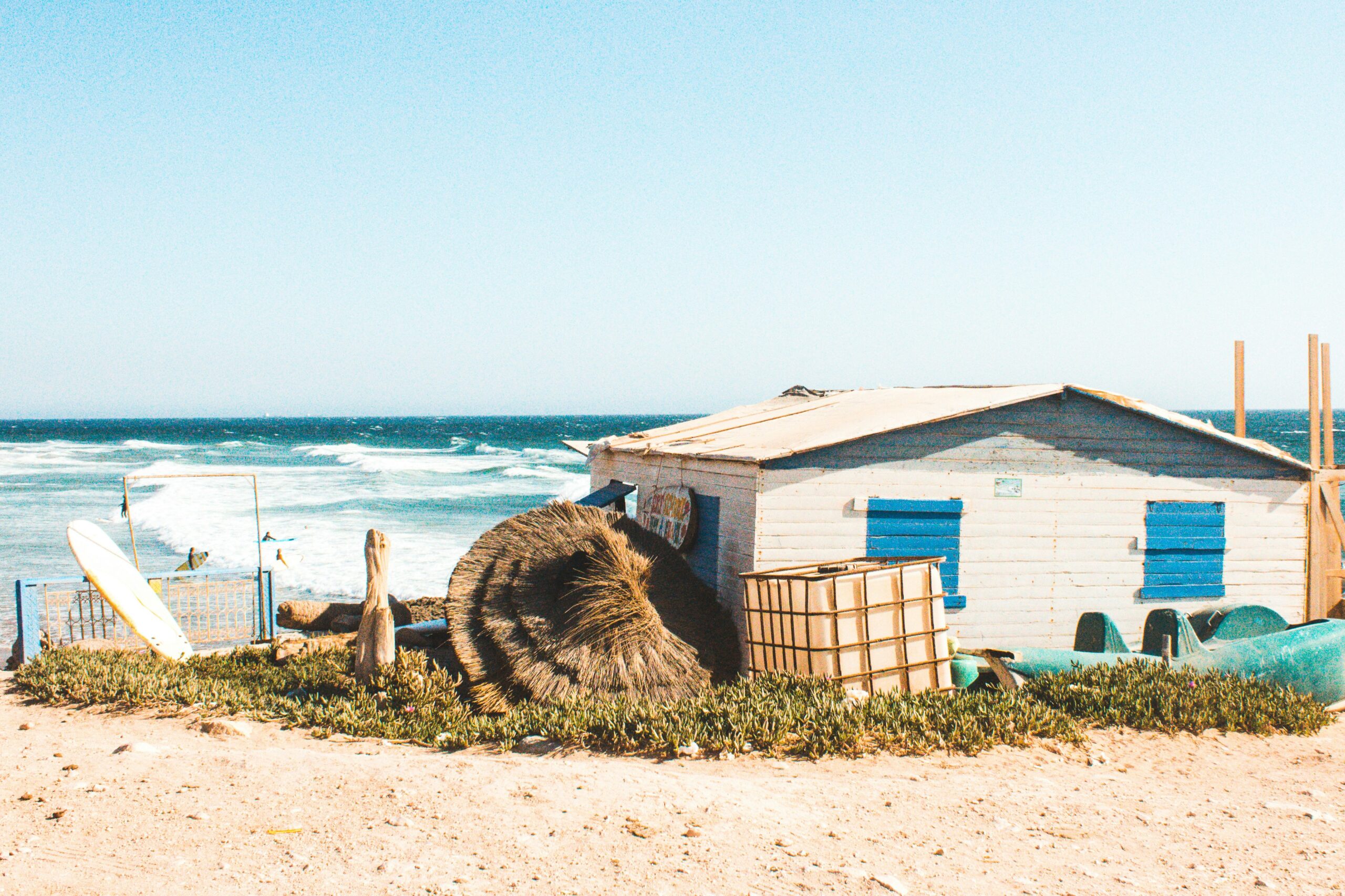
Taghazout has earned its reputation for good reason. The area offers consistent swells, quality point breaks, and excellent infrastructure for surfers. Yet, as its popularity has grown, so have the crowds. Peak season can see lineups packed with surfers of all levels, making it challenging to catch your share of waves.
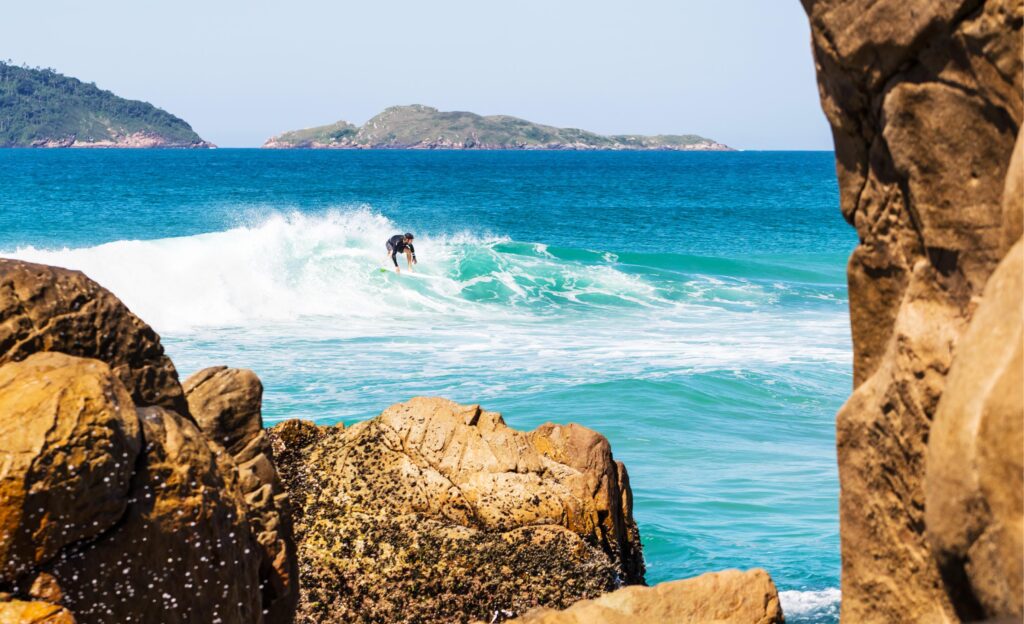
Exploring beyond Taghazout opens up a world of possibilities. You’ll discover empty point breaks, powerful beach breaks, and hidden reef setups that rival anything Taghazout offers. These secret spots provide the perfect opportunity to improve your skills in less crowded conditions, and for beginners, some of these locations offer gentler waves ideal for learning the fundamentals.
Sidi Ifni: The Undiscovered Southern Gem
Located approximately 150 kilometers south of Agadir, Sidi Ifni remains one of Morocco’s best-kept surfing secrets. This former Spanish colonial town features art deco architecture and a laid-back atmosphere that feels frozen in time. The coastline around Sidi Ifni offers multiple surf breaks ranging from mellow beach breaks to powerful point breaks.
Legzira Beach
Perhaps the most photogenic surf spot in Morocco, Legzira Beach is famous for its dramatic red rock arches that frame the Atlantic Ocean. The beach break here works best on medium to high tide and can produce clean, peeling waves during the right swell conditions. The setting is spectacular, with towering cliffs and natural stone formations creating a surreal backdrop.
The waves at Legzira suit intermediate to advanced surfers when the swell picks up. However, during smaller swells, beginners can find manageable waves closer to shore. The remote location means you’ll often share the lineup with just a handful of local surfers and the occasional traveler who’s ventured this far south.
Imsouane: Morocco’s Longest Wave
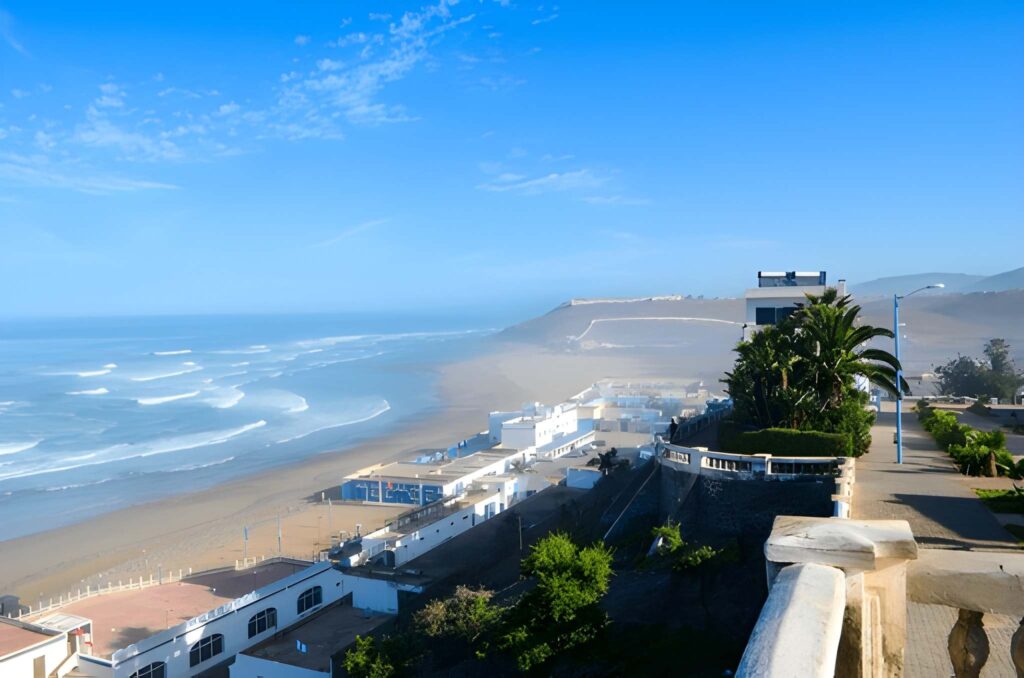
While Imsouane has gained some recognition in recent years, it remains significantly less crowded than Taghazout, especially outside peak winter months. Located about 80 kilometers north of Agadir, this fishing village hosts what many consider the longest right-hand point break in Africa.
The main break, known as “The Bay,” can offer rides exceeding 500 meters on the right conditions. The wave is incredibly forgiving, making it perfect for surfers of all levels. The gentle, rolling nature of the wave provides an excellent environment for understanding proper surfboard sizing and technique refinement.
Cathedral Point
At the southern end of Imsouane Bay lies Cathedral Point, a more advanced wave that breaks over a rocky reef. This right-hander offers a faster, more powerful section compared to The Bay. On larger swells, Cathedral produces hollow barrels that challenge even experienced surfers. The take-off zone can be tricky, requiring confidence in reading the ocean and timing your entry.
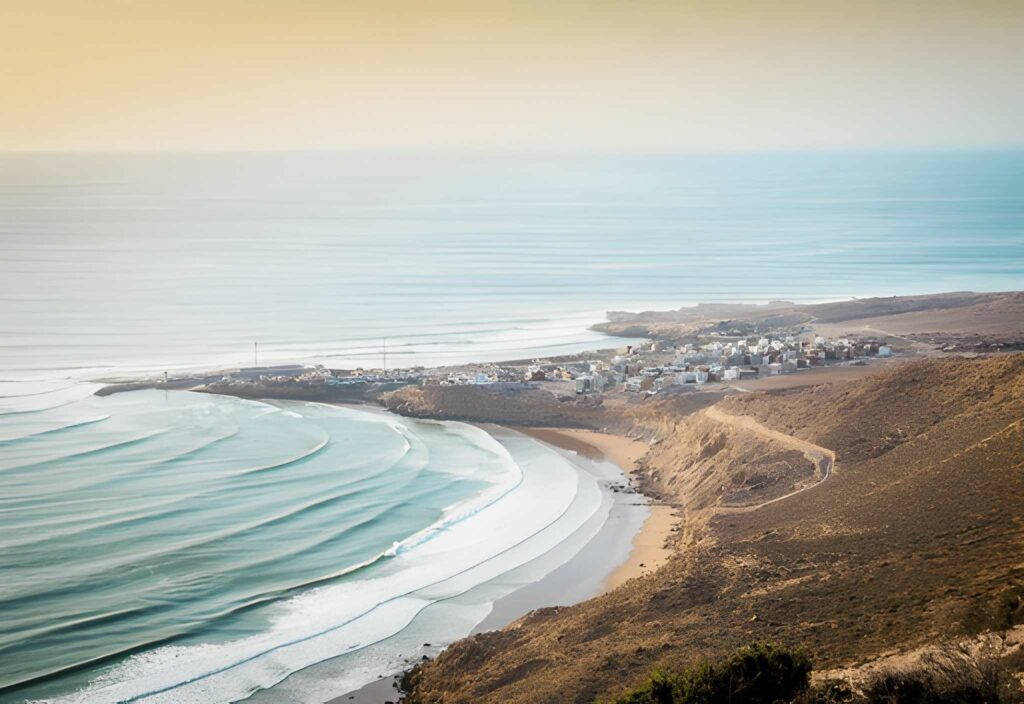
Safi: Industrial Port Meets World-Class Waves
Safi might seem an unlikely surf destination at first glance. This working port city, located 200 kilometers north of Agadir, processes much of Morocco’s fishing industry. However, beyond the industrial harbor lies one of Morocco’s most powerful and respected waves.
The main break at Safi is a heavy, barreling right-hand point break that works best with northwest swells and northeast winds. The wave breaks over a shallow rock shelf, creating perfect cylindrical barrels that have attracted international attention. When conditions align, Safi produces waves that rival the quality found at famous breaks worldwide.
This spot demands respect and experience. The powerful nature of the wave, combined with the shallow reef and strong currents, makes it suitable only for advanced surfers. If you’re not ready for Safi’s main break, spend time observing and building your skills at more forgiving locations while working on your surfing fitness.
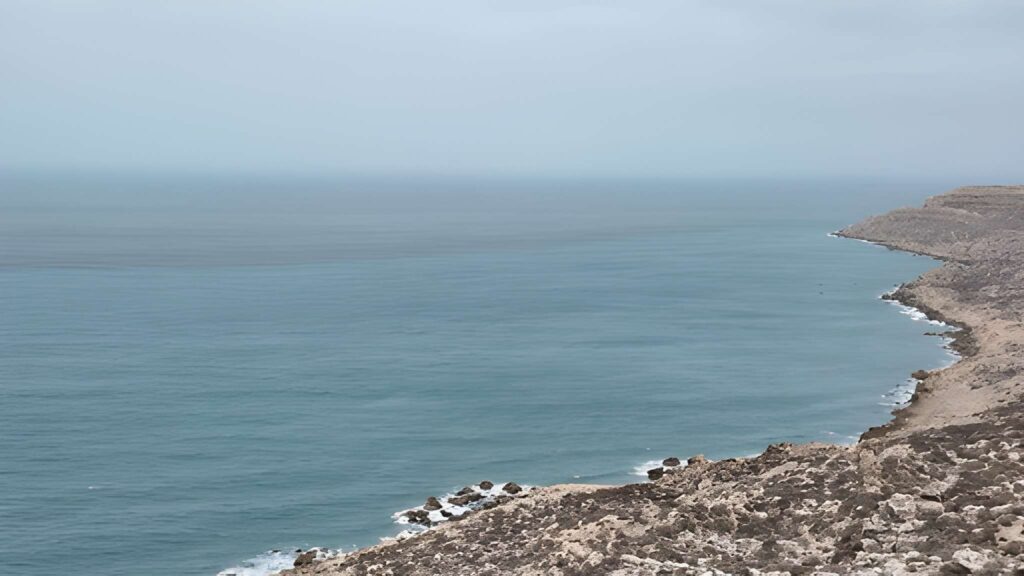
Oualidia: The Lagoon Learner’s Paradise
For those just starting their surfing journey, Oualidia offers a unique setup approximately 180 kilometers south of Casablanca. This coastal town features a protected lagoon that creates an ideal learning environment, particularly for beginners and children.
The lagoon’s natural protection provides small, gentle waves perfect for practicing pop-ups and basic maneuvers. The sandy bottom and lack of strong currents make it one of Morocco’s safest surfing locations. Outside the lagoon, more experienced surfers can find quality beach breaks that offer longer rides and more power.
Oualidia remains remarkably quiet compared to Morocco’s mainstream surf destinations. The town is also famous for its oyster farms, making it an excellent stop for surfers who appreciate good seafood alongside quality waves.
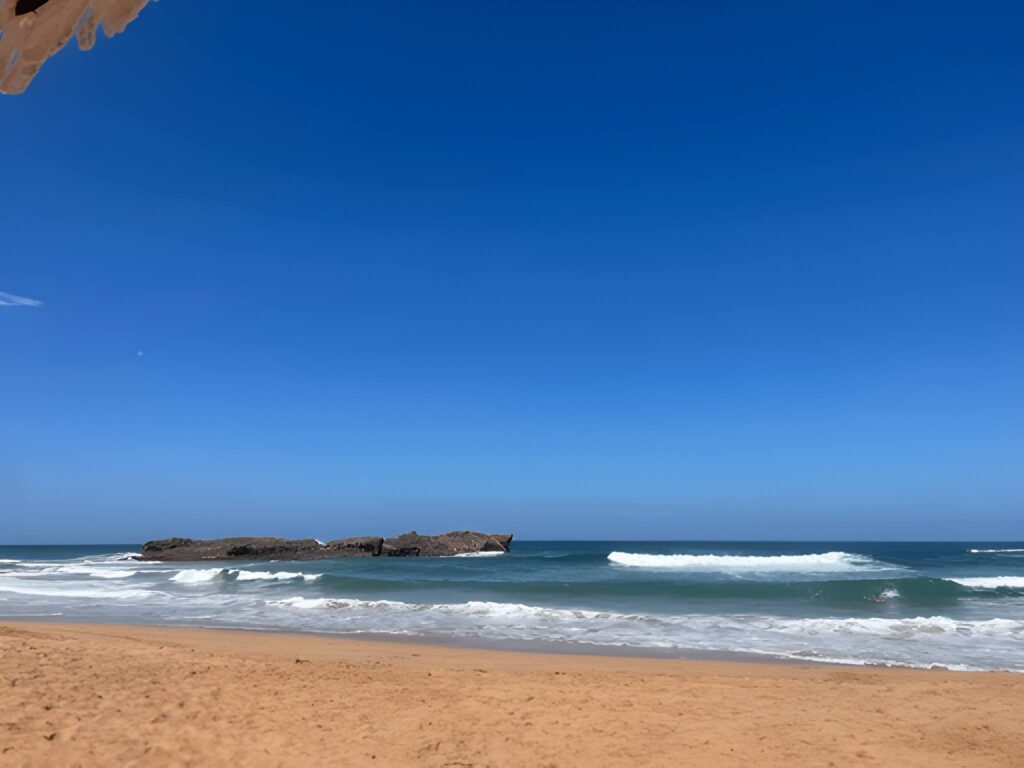
Essaouira: The Wind City’s Hidden Breaks
Essaouira is well-known among windsurfers and kite surfers due to its consistent afternoon trade winds. However, early morning sessions before the wind picks up reveal excellent surf conditions that most visitors overlook. The city’s main beach offers a long stretch of sand with multiple peaks that can handle various swell sizes.
Sidi Kaouki
Just 20 kilometers south of Essaouira lies Sidi Kaouki, a small village with a powerful beach break that handles larger swells exceptionally well. The exposed nature of the beach means it picks up more swell than protected bays, often producing surf when other spots are flat.
The waves here suit intermediate to advanced surfers, particularly those comfortable in powerful beach break conditions. The current can be strong on larger days, and the peak can shift along the beach depending on sandbar formations. Understanding wave forecasting becomes crucial when planning sessions at Sidi Kaouki.
Preparing for Morocco’s Secret Surf Spots
Exploring Morocco’s hidden surf locations requires more preparation than visiting established surf camps in Taghazout. Many of these spots lack the infrastructure and immediate support systems found in popular areas.
Essential Gear and Equipment
Bringing the right equipment is crucial when surfing remote locations. Consider packing multiple boards to handle different conditions, as you won’t always have access to board rentals. A versatile quiver might include a longboard for smaller days and a shortboard for when the swell picks up.
Board maintenance becomes particularly important in remote areas. Learning basic repair techniques can save your surf trip if you ding your board far from repair shops. Always carry a basic repair kit including resin, fiberglass cloth, and sandpaper.
Water Temperature and Wetsuits
Morocco’s Atlantic coast experiences cooler water temperatures than many surfers expect, particularly in winter months. Northern spots like Safi and Essaouira can see water temperatures drop to 15-16°C (59-61°F) during winter. Understanding how to choose the right wetsuit based on water temperature ensures comfort during longer sessions.
Summer offers warmer conditions, with water temperatures reaching 21-23°C (70-73°F), allowing for thinner wetsuits or boardshorts in some locations. Bringing appropriate surf wear for varying conditions gives you flexibility as you travel along the coast.
Safety Considerations for Remote Surf Spots
Surfing Morocco’s secret spots comes with additional safety considerations compared to well-patrolled beaches in developed surf destinations.
Ocean Awareness and Conditions
Many of these remote breaks feature powerful waves, strong currents, and rocky bottoms. Before paddling out, always observe the ocean for at least 15-20 minutes. Watch how waves break, identify channels for paddling out, and note any visible hazards like rocks or reef sections.
Following essential safety tips for challenging conditions becomes critical when surfing away from crowds. Never surf alone in remote locations, always let someone know your plans, and respect your ability level.
Local Knowledge and Respect
When surfing less-discovered spots, building relationships with local surfers proves invaluable. Local surfers understand the nuances of each break, including optimal tide stages, current patterns, and potential hazards. Showing respect in the lineup and to local communities ensures these spots remain welcoming to traveling surfers.
Morocco’s rich surf culture history includes a strong tradition of respecting local surfers and maintaining lineup etiquette. Following these unwritten rules helps preserve the positive atmosphere at these secret spots.
The Mental Benefits of Exploring Unknown Breaks
Discovering new surf spots offers more than just uncrowded waves. The adventure of exploration, the challenge of reading unfamiliar breaks, and the reward of scoring perfect, empty waves contribute significantly to surfing’s mental health benefits.
Each new spot presents a learning opportunity. You’ll develop stronger wave-reading skills, build confidence in varied conditions, and create memorable experiences that extend beyond simply riding waves. The sense of discovery and accomplishment that comes with finding your own perfect wave in Morocco’s hidden corners creates lasting satisfaction.
Planning Your Secret Spot Surf Adventure
Creating an effective itinerary for exploring Morocco’s hidden surf gems requires flexibility and research. Optimal conditions vary between spots, with some working best on northwest swells while others need westerly swells. Understanding how to read surf forecasts allows you to position yourself at the right spot at the right time.
Consider renting a vehicle for maximum flexibility when exploring remote areas. This freedom allows you to chase swells and discover new breaks as local knowledge and conditions dictate. Most secret spots have limited accommodation options, so booking in advance is recommended, especially during winter’s peak surf season.
Morocco’s Future as a Surf Destination
As Morocco continues developing its surf tourism industry, the question remains whether these secret spots will maintain their uncrowded character. Responsible surfing practices and respecting local communities help ensure these locations remain pristine and accessible for future generations.
By spreading out along the coast rather than concentrating in one area, surfers can reduce pressure on any single spot. This distribution benefits local communities through economic opportunities while maintaining the authentic, uncrowded experience that makes surfing Morocco’s secret spots so rewarding.
Morocco offers far more than Taghazout Bay’s well-known breaks. From Sidi Ifni’s dramatic cliffs to Safi’s powerful barrels, from Imsouane’s endless rides to Oualidia’s protected lagoon, the country’s extensive coastline hides countless surfing treasures waiting to be discovered. With proper preparation, respect for local culture, and a sense of adventure, Morocco’s secret surf spots provide unforgettable experiences that showcase the best of what North African surfing offers. Whether you’re a beginner seeking gentle waves or an expert chasing powerful barrels, Morocco’s hidden coastline has something special waiting for you.