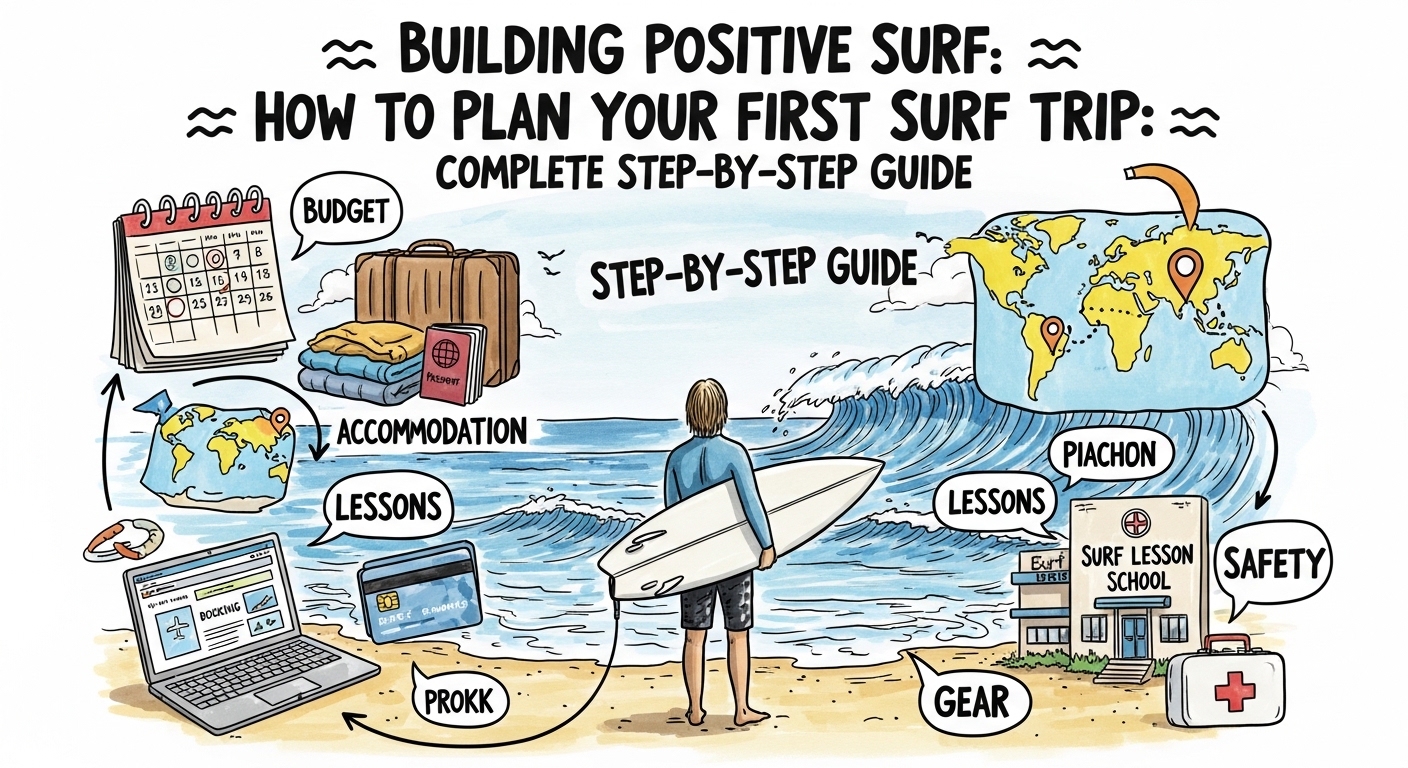

Planning your first surf trip represents an exciting milestone in your surfing journey. Whether you’ve been practicing at your local beach or you’re ready to explore new breaks, a well-organized surf trip can transform your skills and create unforgettable memories.
This comprehensive guide walks you through every step of planning a successful first surf trip, from choosing the perfect destination to packing the right gear.
A surf trip differs from typical vacations. Your days revolve around tide charts, swell forecasts, and wave conditions rather than tourist attractions and scheduled tours. The flexibility to chase the best waves while having backup plans for flat days creates the ideal balance.
Step 1: Choose Your Destination Wisely
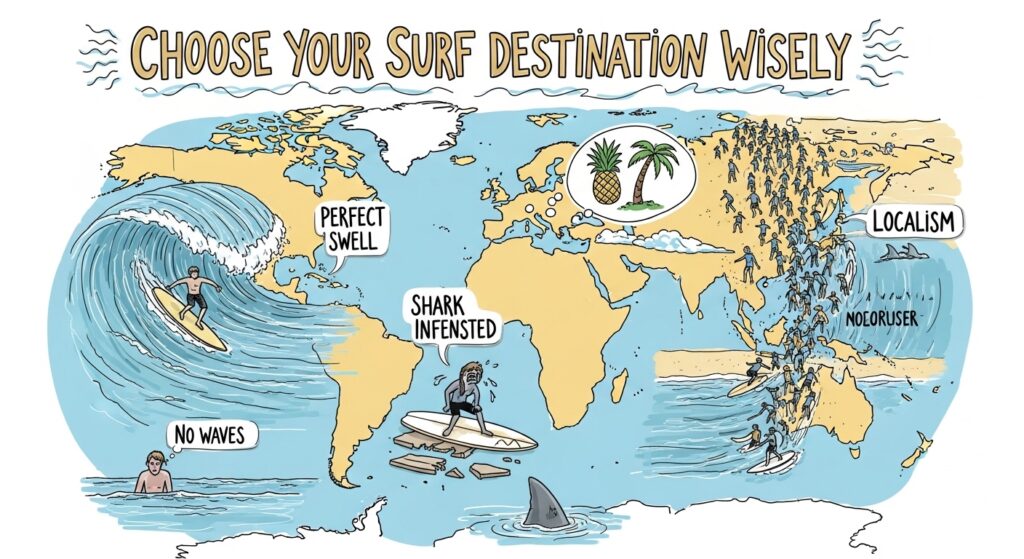
Your destination choice makes or breaks your first surf trip. Start by honestly assessing your current skill level and selecting locations that match your abilities.
Attempting advanced breaks before you’re ready leads to frustration, danger, and wasted opportunities.
Beginner-friendly surfing destinations offer consistent, manageable waves with soft sand bottoms and multiple peaks. These spots allow you to progress safely while building confidence. Research destinations known for welcoming surf communities and quality instruction if you’re still developing fundamental skills.
Consider these factors when selecting your destination:
Wave Consistency: Choose locations with reliable swell during your travel dates. Some destinations work year-round, while others have distinct seasons. Traveling during peak surf season increases your chances of scoring good waves.
Water Temperature: Cold water requires specialized gear and additional planning. If you’re new to surfing, warm water destinations eliminate the wetsuit learning curve and allow you to focus purely on wave riding.
Accessibility: Remote surf destinations offer incredible waves but require significant travel logistics. For your first trip, consider more accessible locations with established surf infrastructure, accommodations, and medical facilities.
Crowd Levels: Extremely crowded breaks can be intimidating for first-time surf travelers. Research shoulder seasons or less-publicized spots that still offer quality waves without overwhelming crowds.
Popular first surf trip destinations include Costa Rica’s Pacific coast, Portugal’s Algarve region, Bali’s beginner beaches, and Nicaragua’s uncrowded points. Each offers consistent waves, warm water, and welcoming surf cultures.
Step 2: Determine the Best Time to Go
Timing your surf trip correctly ensures you encounter optimal conditions. Every surf destination has peak seasons when swells are most consistent and weather is most favorable.
Research your chosen location’s surf patterns and climate thoroughly.
Understanding how to read wave forecasts helps you identify ideal travel windows. Most surf spots have detailed historical data showing average swell sizes, wind patterns, and water temperatures throughout the year.
Consider these timing factors:
Swell Season: Learn when your destination receives its most consistent swells. Winter typically brings larger waves to many Northern Hemisphere locations, while summer offers gentler conditions perfect for progression.
Weather Patterns: Rainy seasons can create muddy water, flooding, and difficult travel conditions despite good waves. Dry seasons often provide better overall experiences with clearer water and more comfortable temperatures.
Crowd Dynamics: Peak vacation periods (Christmas, Easter, summer holidays) bring larger crowds to popular surf destinations. Traveling during shoulder seasons often means better wave-to-surfer ratios and lower accommodation costs.
Personal Schedule: Balance ideal surf conditions with your work schedule, budget constraints, and travel companions’ availability. A trip during less-than-perfect conditions is better than no trip at all.
Plan for at least 7-10 days if possible. This duration provides enough time to adjust to jet lag, adapt to local conditions, and score multiple good sessions even if a few days go flat.
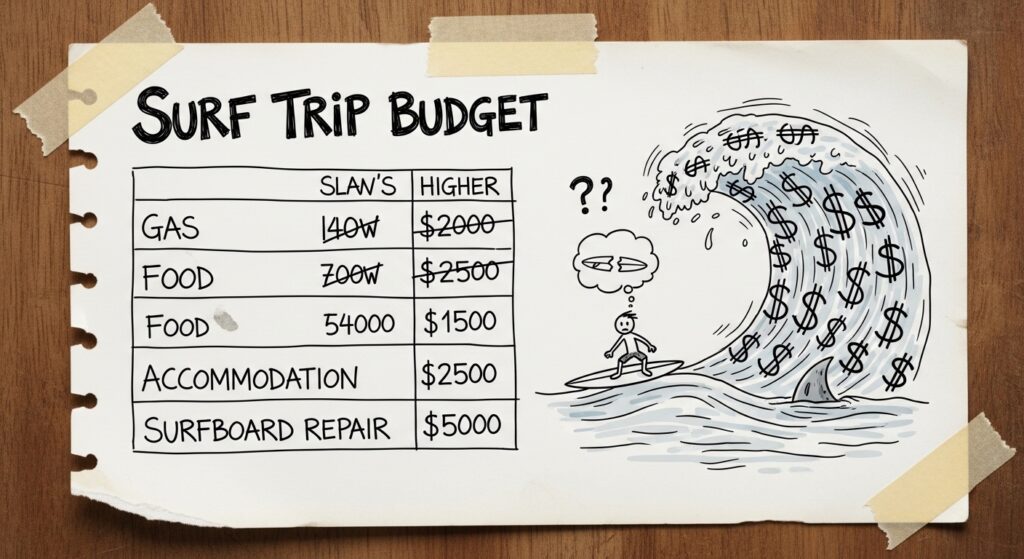
Step 3: Set Your Budget
Surf trips range from budget backpacker adventures to luxury surf resort experiences. Establishing a realistic budget early helps you make appropriate decisions about destinations, accommodations, and activities.
Break your budget into these categories:
Transportation: Include flights, ground transportation, and rental vehicles if needed. Booking flights several months in advance typically yields better prices. Consider nearby airports that might offer cheaper options.
Accommodation: Options range from shared hostel rooms to private villas. Surf camps provide all-inclusive packages that can actually save money while offering instruction, meals, and transportation to breaks.
Food and Drinks: Budget varies significantly by destination. Self-catering accommodations reduce costs, while resort dining increases expenses. Research typical meal prices at your destination.
Gear: Determine whether you’ll bring your own equipment or rent locally. Baggage fees for surfboards can cost $150-300 round trip. Local rentals might cost $15-30 daily but eliminate travel hassles.
Lessons and Guiding: Budget for surf instruction if you’re still learning. Local guides who know the breaks can maximize your wave count and safety even if you’re experienced.
Extras: Include travel insurance, activities for flat days, souvenirs, and emergency funds. Medical insurance covering surf-related injuries provides peace of mind.
Most week-long surf trips cost between $1,500-$3,500 per person depending on destination and comfort preferences. Budget destinations like Nicaragua or Indonesia can cost significantly less, while premium locations like Maldives or Hawaii run higher.
Step 4: Prepare Your Fitness
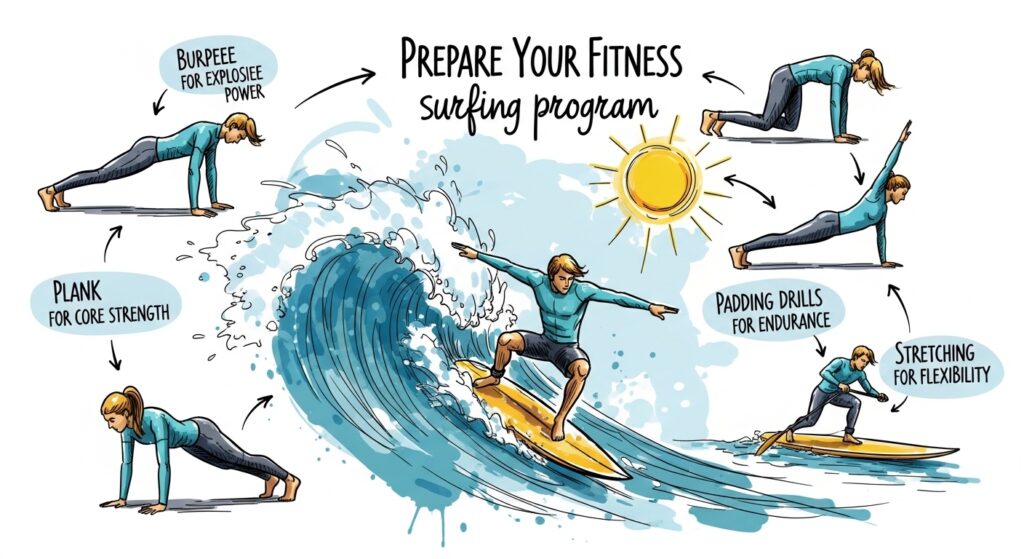
Arriving at your surf destination in poor physical condition wastes precious wave time. The combination of travel fatigue, new wave power, and extended sessions can overwhelm unprepared bodies.
Start a targeted surfing fitness program at least 6-8 weeks before departure.
Focus on these fitness components:
Paddling Endurance: Swimming laps builds the shoulder, back, and core strength required for paddling. Aim for 30-45 minute swimming sessions 2-3 times weekly. Mix freestyle swimming with resistance exercises targeting your shoulders.
Core Stability: Planks, Russian twists, and stability ball exercises strengthen the muscles used for pop-ups and maintaining balance. Core strength directly translates to better surfing performance.
Cardiovascular Fitness: Running, cycling, or rowing improves your overall endurance. Multiple surf sessions daily demand significant cardiovascular capacity. Work toward 30-60 minute cardio sessions several times weekly.
Flexibility: Yoga and stretching improve your range of motion, reducing injury risk and improving maneuverability on waves. Hip flexors, shoulders, and hamstrings require particular attention.
Pop-up Practice: Rehearse your pop-up technique on land. Muscle memory developed before your trip allows you to focus on wave reading rather than basic mechanics once you’re in the water.
Understanding how long it takes to learn surfing helps set realistic expectations about progression during your trip. Physical preparation accelerates learning and allows more time actually surfing rather than recovering on the beach.
Step 5: Sort Your Gear
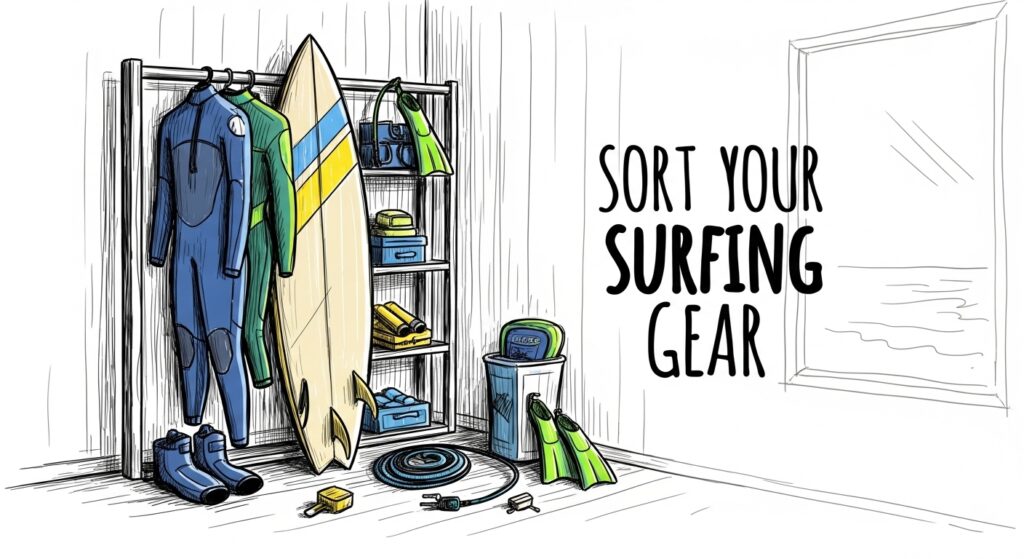
Deciding what equipment to bring represents one of the most critical planning decisions. Traveling with your own gear provides familiar equipment but adds logistical complexity and costs.
Renting locally eliminates baggage hassles but means using unfamiliar boards.
Bringing Your Own Board
If you own boards and they suit your destination’s waves, traveling with them offers advantages. You’ll surf equipment you know, avoid rental fees for extended trips, and guarantee availability during busy periods.
Purchase a quality padded board bag that protects against airline handling. Remove fins and pack them separately. Secure your board within the bag using foam, bubble wrap, or pipe insulation.
Many surfers travel with boards specifically chosen for the destination’s wave types, whether that means longboards for mellow points or shortboards for punchier reef breaks.
Airline surf baggage policies vary dramatically. Some airlines include board bags in standard baggage allowances, while others charge $100-150 each way. Research your specific airline’s current policies and factor these costs into your budget.
Renting Equipment
Renting works well for shorter trips, distant destinations, or when you’re unsure what board works best for local conditions. Most surf destinations have shops offering daily, weekly, or monthly rentals at reasonable rates.
Rental quality varies by location. Popular surf areas typically stock diverse, well-maintained equipment. Ask locals or search online reviews to identify reputable rental shops.
Beginner boards are readily available at most surf destinations, making rentals ideal for those still learning.
Essential Accessories to Pack
Regardless of board decisions, pack these surf essentials:
Wetsuit or Rashguard: Research your destination’s water temperature. Choosing the appropriate wetsuit ensures comfort during extended sessions. Even in warm water, rashguards prevent sunburn and rashes.
Wax: Bring your own since local shops might not stock your preferred formula. Understanding why and how to wax your surfboard with the correct temperature-rated wax ensures proper traction.
Leash: Pack a backup leash appropriate for the wave size you’ll encounter. Leash failures happen, and having a spare prevents missed sessions.
Repair Kit: Include ding repair materials, extra fins, fin keys, and basic tools. DIY board repairs save your trip when minor damage occurs.
Sun Protection: High-SPF reef-safe sunscreen, zinc oxide, and lip balm are essential. You’ll spend hours in intense sun exposure.
First Aid: Pack basic medical supplies including adhesive bandages, antibiotic ointment, pain relievers, and any prescription medications.
Step 6: Understand Local Conditions and Customs
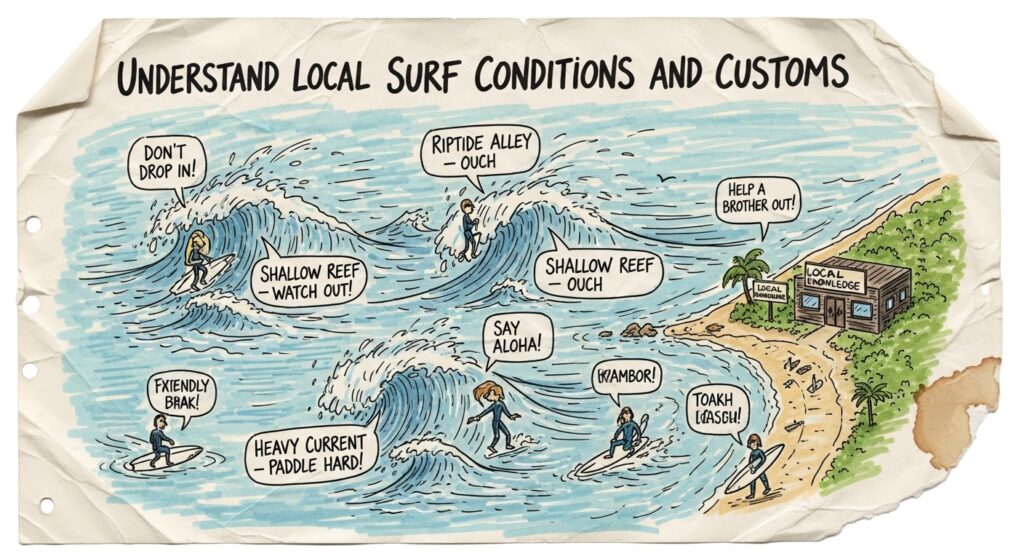
Researching your destination beyond just wave quality demonstrates respect and ensures better experiences. Understanding local surf culture, environmental concerns, and practical details prevents awkward situations or offensive behavior.
Study these aspects:
Surf Etiquette: While core principles apply worldwide, some locations have specific customs. Research whether your destination has territorial locals, organized lineups, or particular sensitivities.
The history of surf culture varies by region, influencing current lineup dynamics.
Environmental Awareness: Learn about local ecosystems, protected areas, and conservation efforts. Use reef-safe sunscreen, avoid standing on coral, and participate in beach cleanups if opportunities arise.
Cultural Sensitivity: Research general cultural norms, appropriate behavior, basic language phrases, and religious considerations. Showing respect for local culture opens doors and creates positive interactions.
Safety Concerns: Understand potential hazards including marine life, water quality, crime rates, and medical facility locations. Knowledge of essential safety protocols for challenging conditions could prove lifesaving.
Practical Information: Research currency, tipping customs, transportation options, food safety, and communication methods. Download offline maps and save important phone numbers.
Connect with local surf shops or surf camps before arrival. These establishments often provide valuable beta about current conditions, forecasts, and recommendations for spots matching your ability level.
Step 7: Book Accommodations Strategically
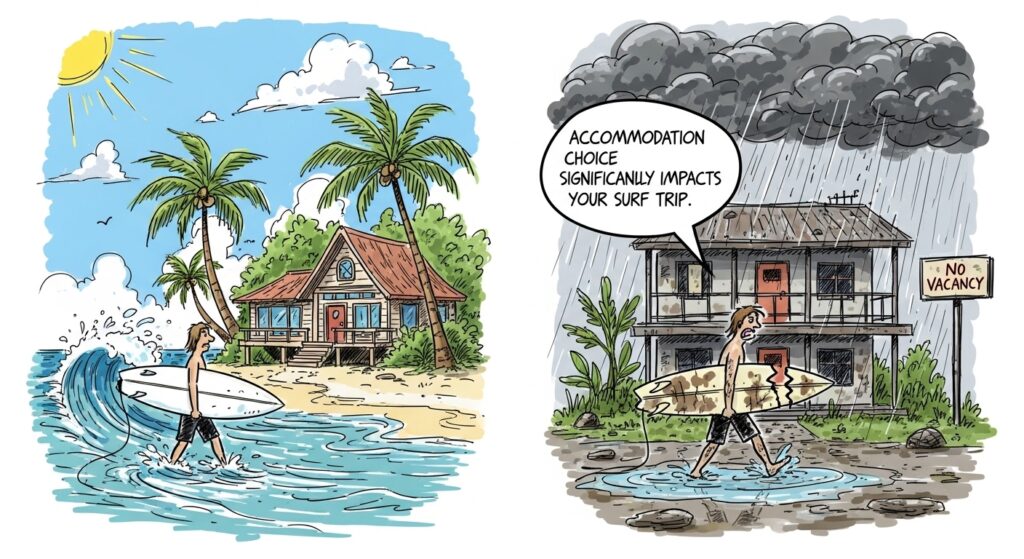
Your accommodation choice significantly impacts your surf trip experience. Location matters more than luxury for surf trips since you’ll spend most waking hours at the beach.
Proximity to Waves: Prioritize accommodations within walking distance or short drives from quality surf breaks. This proximity allows you to check conditions multiple times daily and maximize sessions around optimal tides.
Surf-Friendly Amenities: Look for board storage, outdoor showers to rinse saltwater, and washing facilities for wetsuits. Some places offer board racks, wax, and surf-specific services.
Accommodation Types: Consider these options based on your budget and preferences:
Surf Camps: All-inclusive packages typically include accommodation, meals, instruction, transportation to breaks, and equipment. Perfect for first-timers wanting structured experiences.
Hostels: Budget-friendly options offering social atmospheres where you’ll meet other surfers. Shared knowledge about conditions and spots proves valuable.
Vacation Rentals: Houses or apartments provide space, kitchens, and privacy. Groups can split costs making this option economical and comfortable.
Hotels and Resorts: More expensive but offer amenities like pools, restaurants, and organized activities for non-surfing companions or flat days.
Book accommodations with flexible cancellation policies when possible. Surf trips sometimes require last-minute adjustments based on forecast changes or unexpected conditions.
Step 8: Create a Flexible Daily Schedule
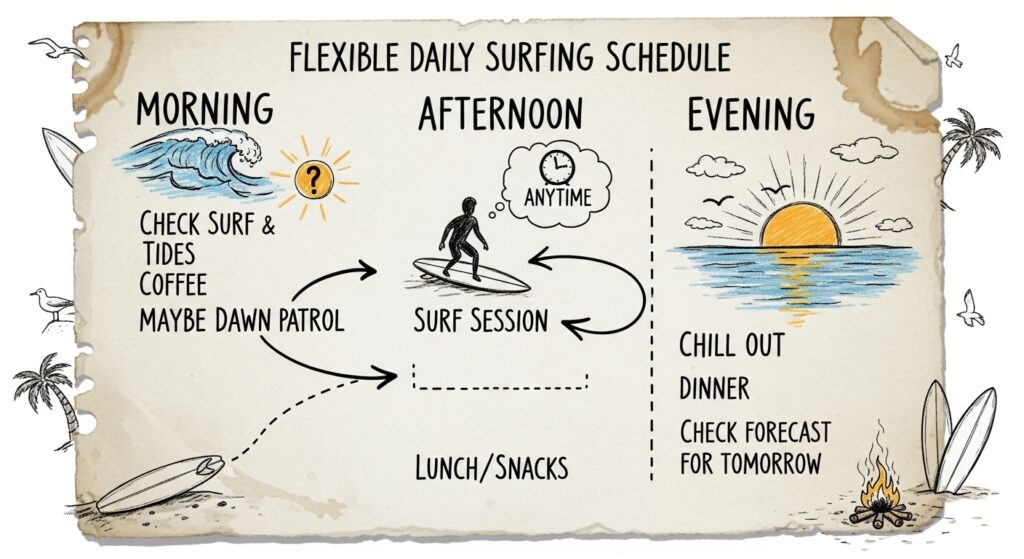
Unlike rigid tourist itineraries, surf trips demand flexibility around ocean conditions. The best waves might arrive at dawn, midday, or sunset depending on tides, winds, and swells.
Structure your days around this framework:
Morning Sessions: Often provide the best conditions with offshore winds and calmer seas. Wake early to check conditions and surf during prime windows.
Midday Activities: Use this time for meals, rest, exploration, or alternative activities. Avoid surfing during the hottest parts of the day when sun exposure and dehydration risks peak.
Afternoon/Evening Sessions: Secondary surf sessions often work well as winds shift or tides change. Evening surfs offer beautiful lighting and sometimes fewer crowds.
Rest and Recovery: Build in downtime between sessions. Pushing too hard early in your trip leads to exhaustion, decreased performance, and potential injuries.
Plan activities for flat days or when you need breaks from surfing. Watching classic surf films provides inspiration and education. Exploring local culture, hiking, or simply relaxing prevents burnout while maintaining the trip’s overall enjoyment.
Step 9: Connect With the Local Surf Community
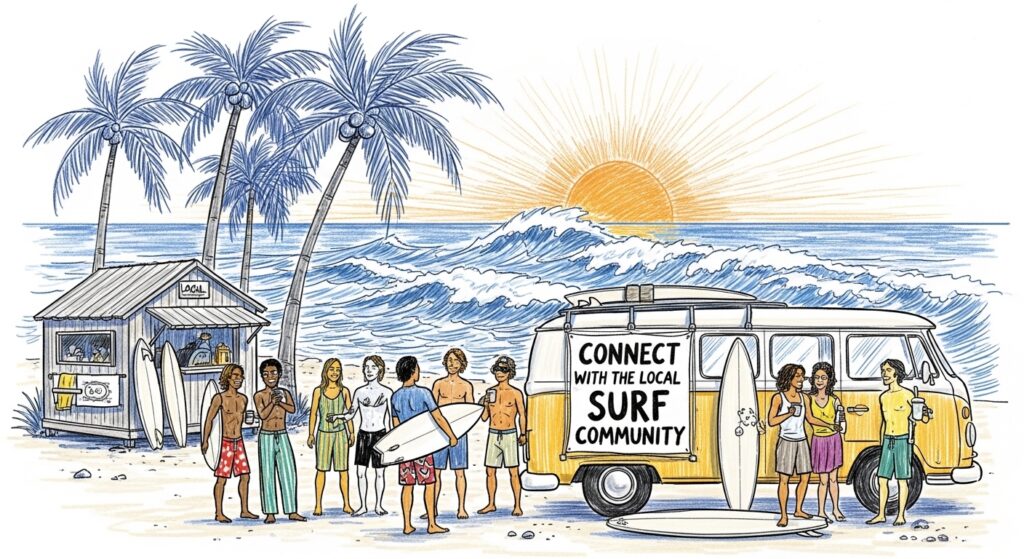
Integrating with local surfers enhances your experience immeasurably. Locals know the breaks intimately, understand subtle timing nuances, and can guide you toward appropriate spots for your skill level.
Approach the local scene with humility and respect. Observe lineup etiquette carefully, don’t hog waves, and show appreciation for shared knowledge. Many surf communities welcome respectful visitors who demonstrate genuine interest in their waves and culture.
Consider hiring a local surf guide for your first few sessions. These guides provide invaluable insights about where to surf, when to go, and how to navigate specific breaks safely. The investment often pays immediate dividends in wave quality and safety.
Surf shops serve as community hubs where you can gather information, meet other surfers, and learn about upcoming swells or special events. Building these connections transforms surf trips from solitary pursuits into rich cultural exchanges.
Step 10: Prepare for the Mental Aspect
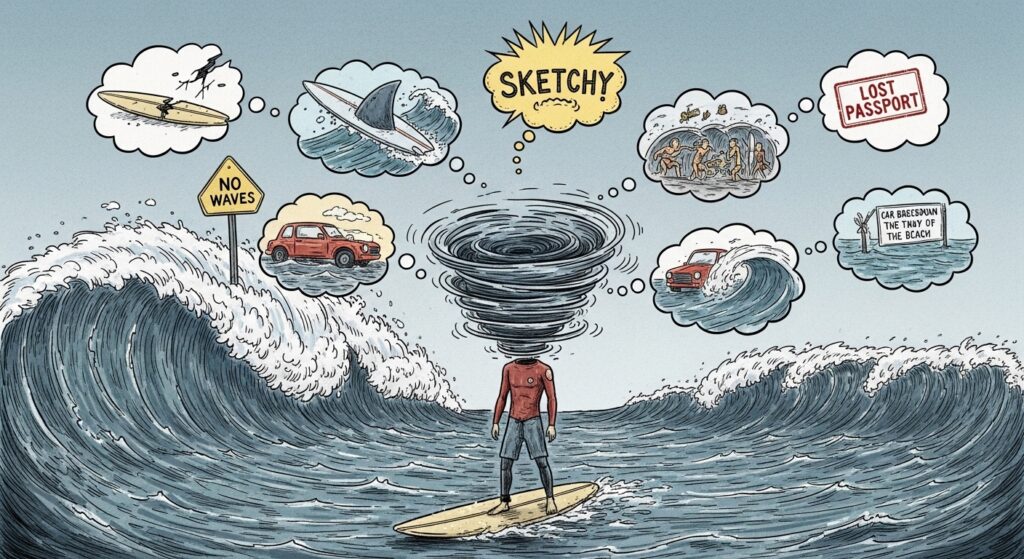
Your mental approach significantly influences trip success. Many first-time surf travelers experience anxiety about new breaks, unfamiliar conditions, or their ability to perform in different environments.
The mental health benefits of surfing extend beyond individual sessions. Surf trips provide opportunities for personal growth, self-reliance, and discovering capabilities you didn’t know you possessed.
Set realistic expectations about progression and performance. New breaks require adjustment periods as you learn local wave characteristics, timing, and positioning. Some sessions will feel challenging; others will exceed your expectations.
Embrace failures and learning opportunities. Wipeouts, missed waves, and mistakes happen to everyone. These experiences build resilience and deepen your connection with surfing’s challenging nature.
Practice visualization before your trip. Imagine yourself successfully catching waves, executing maneuvers, and enjoying the experience. Mental rehearsal improves actual performance and reduces anxiety.
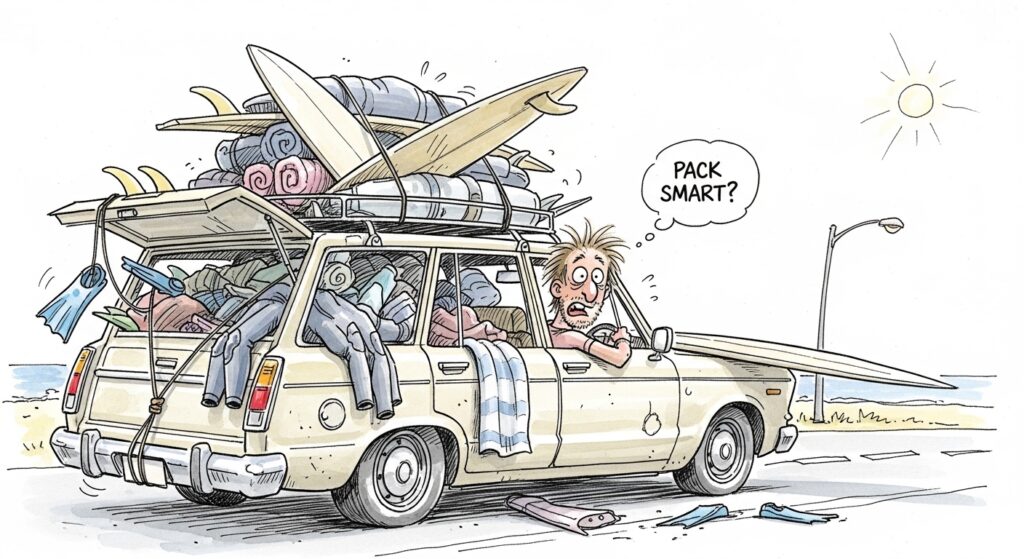
Step 11: Pack Smart
Efficient packing ensures you have everything needed without excess baggage. Create a detailed checklist weeks before departure and gather items gradually.
Surf-Specific Items:
- Surfboards or confirmation of rental arrangements
- Wetsuits or rashguards appropriate for water temperature
- Surf wax, leash, fins, and tools
- Board bag or protective covering
- Ding repair kit
Clothing:
- Lightweight, quick-dry clothes
- Warm layer for evenings
- Comfortable footwear including sandals
- Hat and sunglasses
Beach Essentials:
- Multiple swimsuits
- Towels (quick-dry versions save space)
- Waterproof phone case
- Small backpack for beach days
Health and Safety:
- Sunscreen and after-sun lotion
- First aid supplies
- Any prescription medications
- Water bottle
- Snacks for between sessions
Electronics:
- Phone and charger
- Camera for documenting sessions
- Portable battery pack
- Universal power adapter
Documents:
- Passport and copies
- Travel insurance details
- Accommodation confirmations
- Emergency contact information
Pack items in your carry-on that you absolutely cannot replace if checked luggage gets lost. This includes medications, important documents, one swimsuit, and basic toiletries.
Step 12: Maximize Your Actual Surf Time
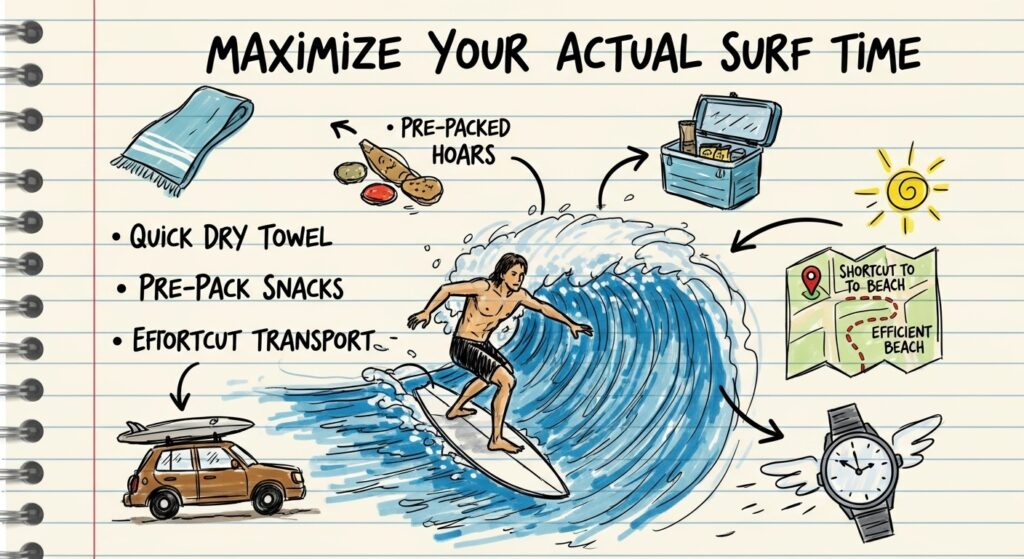
Once you arrive, implement strategies to optimize your time in the water:
Study the Forecast: Check detailed surf forecasts each evening to plan the next day. Understanding swell periods, wind predictions, and tide timing helps you position yourself for the best sessions.
Surf Multiple Sessions Daily: Your body will adapt after a few days. Take advantage by catching dawn patrol, midday, and evening sessions when conditions allow.
Focus on Learning: Each new break teaches valuable lessons about wave reading, positioning, and ocean awareness. Stay present and mindful rather than just chasing wave count.
Document Your Progress: Take photos or videos of your surfing. Reviewing footage reveals areas for improvement and captures memories from your trip.
Balance Intensity: Alternate challenging sessions with mellow ones. Exhausting yourself early in the trip limits overall surf time and increases injury risk.
Understanding concepts like whether surfing compares to other board sports helps manage expectations about learning curves and skill transfer.
Step 13: Handle Common Challenges
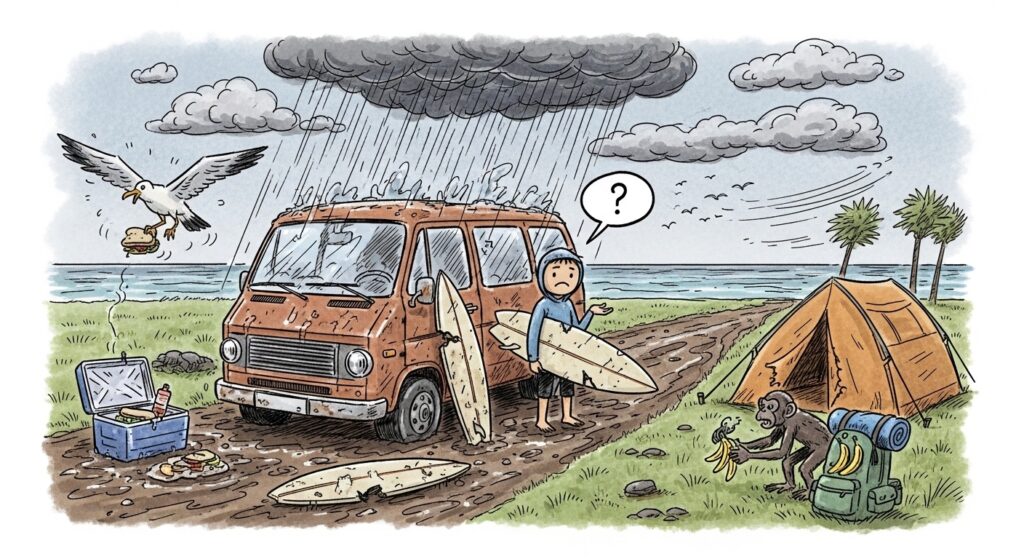
First surf trips inevitably present obstacles. Preparing for common issues prevents them from derailing your experience:
Jet Lag: Arrive a day early if possible to adjust before surfing. Stay hydrated, expose yourself to natural light, and maintain normal meal times to accelerate adaptation.
Equipment Problems: Board damage, lost fins, or wetsuit tears happen. Know where to get repairs or replacements quickly. Having backup equipment or rental options prevents missed sessions.
Changing Conditions: Swells don’t follow forecasts perfectly. Build flexibility into your plans and have backup spots for when primary breaks don’t cooperate.
Physical Fatigue: Extended surfing taxes your body differently than home breaks. Stretch, hydrate, eat well, and sleep adequately. Don’t push through pain that could indicate injury.
Communication Barriers: Language differences can complicate arrangements, directions, or emergency situations. Learn basic phrases, use translation apps, and carry written addresses.
Conclusion
Planning your first surf trip requires attention to numerous details, but the preparation pays dividends in experiences and progression. From selecting appropriate destinations to packing correctly, each planning step contributes to overall trip success.
Start planning several months in advance to secure the best accommodations, flights, and potentially lessons or guides. Research thoroughly, prepare physically, and approach the experience with realistic expectations combined with genuine excitement.
Your first surf trip will likely spark many more. Each journey teaches valuable lessons about planning, surfing different wave types, and connecting with global surf culture. The combination of adventure, progression, and natural beauty creates addictive experiences that define lifelong surfing pursuits.
Remember that flexibility, respect, and enthusiasm matter more than perfection. Embrace the challenges, celebrate the successes, and allow yourself to fully experience the magic of traveling specifically to surf. The waves are waiting, and proper planning ensures you’re ready to make the most of them.