
This post includes Amazon affiliate links. As an Amazon Associate, I earn from qualifying purchases.
Finding the best wetsuits 2026 can feel overwhelming with so many brands, thicknesses, and technologies flooding the market. Whether you are a weekend warrior chasing autumn swells or a committed cold-water surfer braving winter lineups, the right wetsuit is the single most important piece of gear you will ever buy.
A great suit keeps you warm, flexible, and comfortable for hours. A bad one cuts your session short and leaves you shivering on the beach. In this guide, we review five top-rated wetsuits you can grab on Amazon right now, explain how to choose the right thickness for your conditions, and help you find the best 4/3 wetsuit for year-round surfing.
Best Wetsuits 2026 at a Glance
| Wetsuit | Thickness | Price Range | Entry System | Best For | Water Temp | Buy |
| O’Neill Hyperfreak 4/3+ | 4/3mm | $350–$420 | Chest Zip | Performance | 50–62°F | View Deal |
| Rip Curl Flashbomb 4/3 | 4/3mm | $380–$450 | Chest Zip / Zip Free | Warmth | 48–60°F | View Deal |
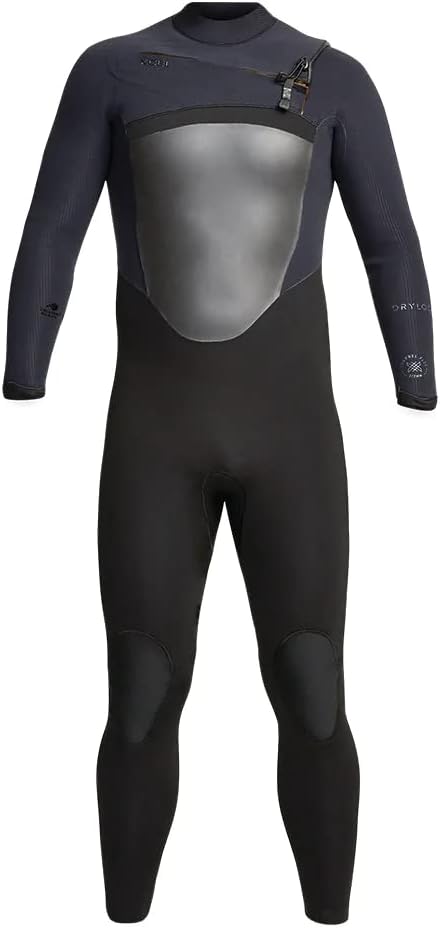
| Xcel Drylock 4/3 | 4/3mm | $400–$470 | Chest Zip | Cold Water | 45–58°F | View Deal |
| Quiksilver Everyday Sessions 4/3 | 4/3mm | $220–$280 | Back Zip / Chest Zip | Best Value | 52–62°F | View Deal |
| O’Neill Epic 4/3 | 4/3mm | $200–$250 | Back Zip | Budget Pick | 52–62°F | View Deal |
Why a 4/3 Wetsuit Is the Most Versatile Choice
If you could only own one wetsuit, most experienced surfers would tell you to get a 4/3. The numbers refer to the neoprene thickness in millimeters, with 4mm covering the torso and 3mm in the arms and legs. This combination delivers solid core warmth while keeping your arms flexible enough for paddling.
A 4/3 handles water temperatures roughly between 48°F and 62°F (9–17°C), which covers fall, winter, and early spring sessions across most of Europe, the US East Coast, California, and many other popular surf regions. For surfers who want a single suit that works across multiple seasons, the best 4/3 wetsuit is always the smartest investment.
If you are not sure what thickness matches your local conditions, think about how to choose a wetsuit for surfing based on water temperature rather than air temperature. Water cools your body 25 times faster than air, so even a mild day can demand serious neoprene.
The 5 Best Wetsuits of 2026 Reviewed
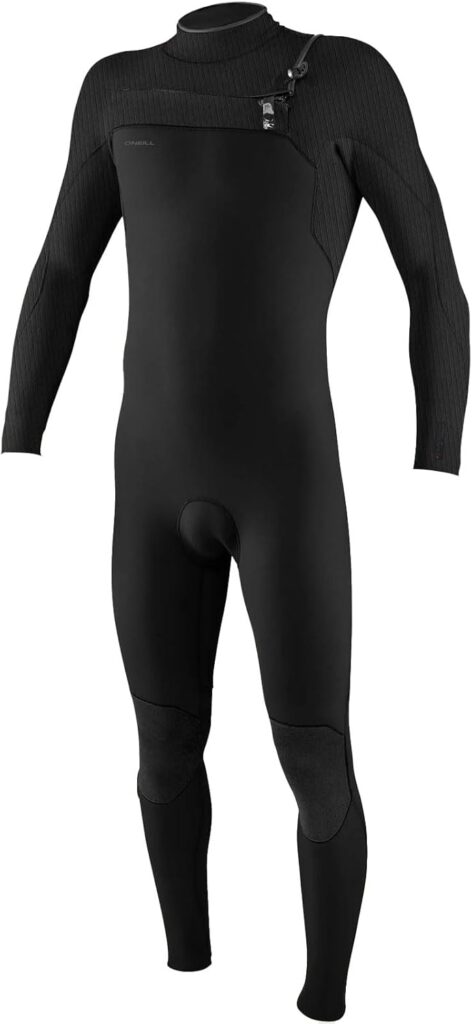
1. O’Neill Hyperfreak 4/3+ Chest Zip Full Wetsuit
Best for: Performance-focused surfers who want maximum flexibility
Price: Around $350–$420 on Amazon
The O’Neill Hyperfreak has been a favorite among competitive and everyday surfers for years, and the latest version raises the bar even higher. Built with TechnoButter 3 and TB3X neoprene, this suit is remarkably lightweight. You genuinely forget you are wearing it after a few minutes in the water.
The chest zip entry creates a watertight seal that prevents cold-water flushing during duck dives. O’Neill uses a minimal seam design with fully taped seams inside, which reduces bulk and improves stretch. The 360-degree barrier with drain holes and a cinch cord makes entry and exit surprisingly easy for a chest-zip suit.
If you are serious about surfing and want a suit that feels almost invisible on your body, the Hyperfreak is hard to beat. It is also available in 3/2mm and 5/4mm options if you need different thicknesses for seasonal changes. This is a strong contender for the best 4/3 wetsuit on the market right now.
Pros: Incredibly lightweight and stretchy, excellent chest-zip seal, minimal seam design, recycled liner fabrics
Cons: Not the warmest in its class, premium price, sizing runs slightly tall
2. Rip Curl Flashbomb 4/3 Wetsuit
Best for: Surfers who prioritize warmth and quick drying
Price: Around $380–$450 on Amazon
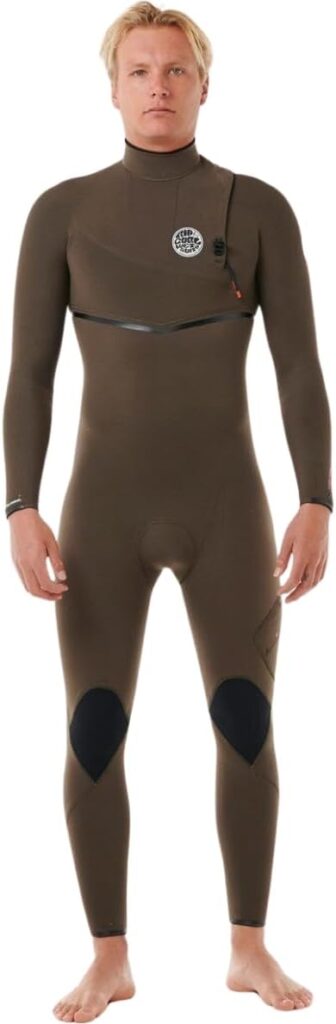
The Rip Curl Flashbomb has earned its reputation as one of the warmest production wetsuits available. What makes it special is the E7 Flash Lining technology, an inner fabric engineered with tiny channels that funnel water out of the suit rapidly once you hang it to dry. You can surf a dawn patrol, hang the suit, and it is ready again by the afternoon.
The latest version uses E7 neoprene throughout, which delivers roughly 20 percent more stretch and 20 percent less weight compared to the previous E6 generation. Sealed cuffs at the wrists and ankles prevent flushing, and mesh skin panels on the chest add wind resistance for those blustery winter days.
Available in both chest-zip and zip-free configurations, the Flashbomb lets you pick the entry system you prefer. The zip-free option offers maximum flexibility but takes a bit of practice to get into. If you regularly surf in cold water and need a suit that dries fast between sessions, this is the one. Pair it with proper surfing safety gear and you can extend your season well into winter.
Pros: Industry-leading warmth, fastest drying time, excellent durability, multiple entry options
Cons: Slightly heavier than pure performance suits, higher price point
3. Xcel Drylock 4/3 Chest Zip Full Wetsuit
Best for: Extreme cold-water surfing and long winter sessions
Price: Around $400–$470 on Amazon
If you surf in genuinely cold water and refuse to wear a hooded 5/4 until absolutely necessary, the Xcel Drylock 4/3 is your answer. This suit is designed in Hawaii and tested from tropical reefs to freezing Pacific Northwest lineups. Xcel’s Thermo Dry Celliant lining uses infrared technology to recycle your body heat back into energy, keeping you warmer and extending your endurance.
The Channel Flex exterior is a lightweight, hydrophobic gridded material that breaks up tension and sheds water weight. This means the suit stays light even when you are paddling through a long session. The sealed seams and watertight construction are among the best in the industry.
The Drylock is the most premium suit on this list, and you feel the quality the moment you put it on. If you surf in water temperatures below 55°F regularly, this is worth every penny. It pairs perfectly with wetsuit boots and gloves for a complete cold-water setup.
Pros: Superior warmth with Celliant infrared lining, ultra-lightweight exterior, excellent watertight seals, premium build quality
Cons: Highest price on this list, can be hard to find in all sizes
4. Quiksilver Everyday Sessions 4/3 Wetsuit
Best for: Best value for money, everyday surfers on a budget
Price: Around $220–$280 on Amazon
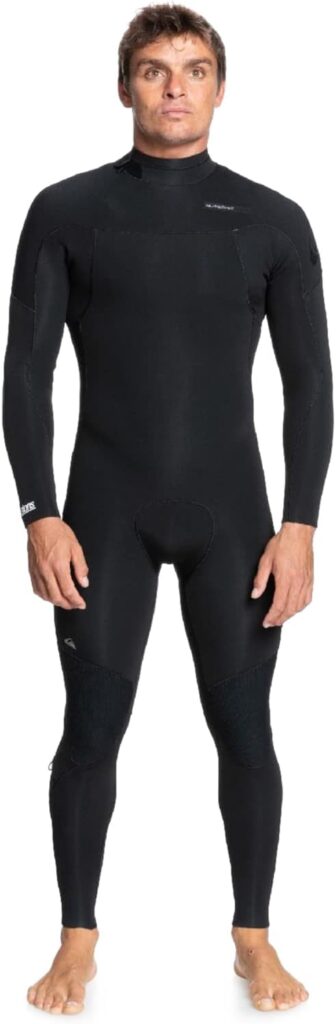
The Quiksilver Everyday Sessions is proof that you do not need to spend $400+ to get a reliable cold-water wetsuit. Quiksilver built this suit with StretchFlight Eco neoprene, which is made using recycled materials like scrap tires and neoprene waste. The WarmFlight Eco Velvet interior lining feels cozy against your skin and traps heat effectively from the knees to the chest.
GBS (glued and blind-stitched) seams are standard on this suit, and internal taping in critical zones adds watertightness where it matters most. You can choose between a back-zip for easy entry or a chest-zip for better seal. Both versions come with a key loop and eco-friendly Aqua Glue lamination.
For first-time wetsuit buyers, surfers on a budget, or anyone who needs a dependable backup suit, the Everyday Sessions delivers far more than its price tag suggests. It is a great companion for beginner-friendly surf destinations where you want solid warmth without worrying about damaging an expensive suit.
Pros: Excellent price-to-performance ratio, eco-friendly materials, comfortable velvet lining, wide size range
Cons: Not as stretchy as premium suits, basic liner in arms and lower legs
5. O’Neill Epic 4/3 Back Zip Full Wetsuit
Best for: Budget-conscious surfers who still want quality
Price: Around $200–$250 on Amazon
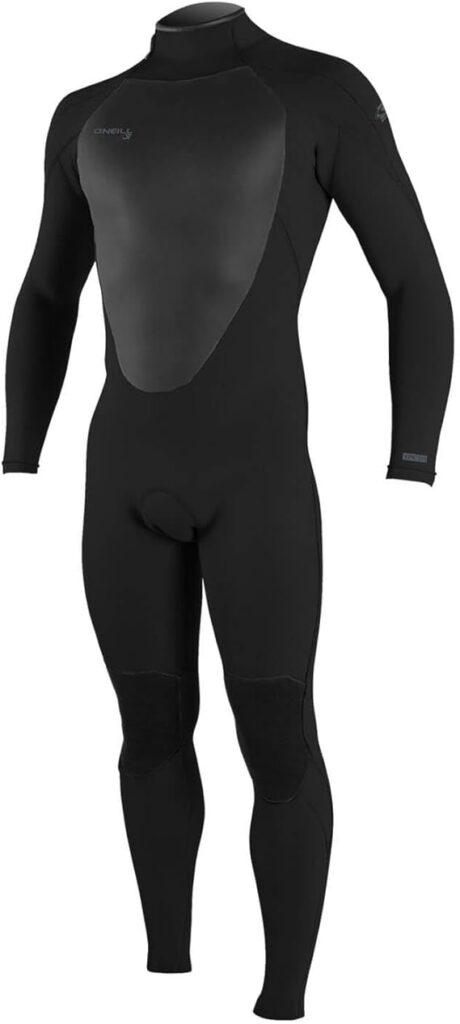
The O’Neill Epic borrows features from O’Neill’s high-end lineup and packages them at a price that almost everyone can afford. It uses 100% UltraFlex neoprene throughout, which is the same stretch-friendly material found in much more expensive suits. The double-seal neck closure and Lumbar Seamless Design (LSD) minimize water entry and eliminate lower-back chafing.
The back-zip entry system is the easiest to get in and out of, making it ideal for beginners or anyone with broad shoulders. FluidFlex Firewall lining in the chest and back panels adds extra warmth where your core needs it most. Krypto Armor knee pads provide durability for duck-diving and paddling over shallow reefs.
The Epic has been a staple in O’Neill’s range for years because it does everything well without any frills. If you are still learning how to surf and do not want to invest heavily before you know you love the sport, the Epic is the smartest choice on this list.
Pros: Most affordable quality wetsuit, easy back-zip entry, UltraFlex neoprene, proven durability over years of use
Cons: Back zip is slightly less warm than chest zip, basic interior lining compared to premium suits
How to Choose the Best Wetsuit for Your Needs
Wetsuit Thickness Guide by Water Temperature
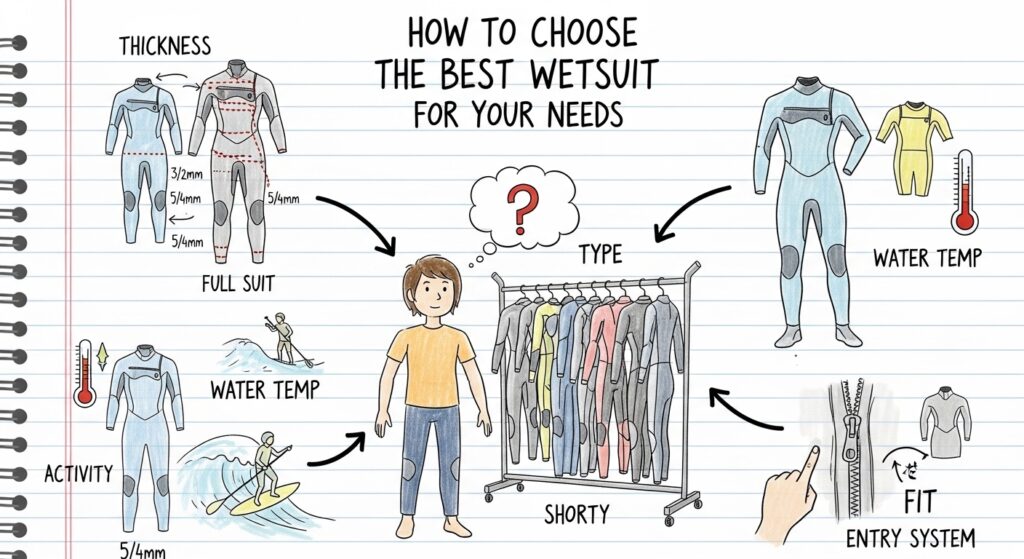
Choosing the correct thickness is the most important decision you will make when buying a wetsuit. Get it wrong and you will either overheat or freeze. Here is a simple breakdown to follow.
| Thickness | Water Temperature | Best Season |
| 2mm Shorty | 68°F+ (20°C+) | Summer |
| 3/2mm Fullsuit | 62–68°F (17–20°C) | Late Spring / Early Fall |
| 4/3mm Fullsuit | 52–62°F (11–17°C) | Fall / Winter / Early Spring |
| 5/4mm Fullsuit | 45–52°F (7–11°C) | Deep Winter |
| 6/5mm + Hood | Below 45°F (7°C) | Arctic Conditions |
As you can see, a 4/3mm wetsuit covers the widest usable temperature range, which is why it remains the most popular thickness for surfers worldwide. If you check your local wave forecast and find water temps sitting in the 50s or low 60s, a 4/3 is your go-to.
Entry Systems: Chest Zip vs Back Zip
Chest-zip wetsuits create a tighter seal around the neck and upper body, which means less flushing and better warmth overall. The trade-off is that they can be slightly harder to get on and off. Most mid-range and premium suits now use chest-zip designs because the performance benefits outweigh the minor inconvenience.
Back-zip suits are the traditional design and remain popular for beginners and casual surfers. The large zipper running down your spine makes entry and exit effortless, which is a real advantage when you are new to wetsuits. The downside is that back-zip suits tend to flush a bit more water through the neck area.
Seam Construction
Glued and blind-stitched (GBS) seams are the minimum standard for any quality cold-water wetsuit. The stitching only penetrates halfway through the neoprene, so water cannot seep through the seam holes. Premium suits add internal taping over the seams for an even tighter seal.
Budget suits sometimes use flatlock stitching, which goes all the way through the neoprene. Flatlock seams are fine for warm-water suits but will leak in cold conditions. For any 4/3mm wetsuit, always insist on GBS seams at a minimum.
What to Wear Under and With Your Wetsuit
Many surfers wonder what to wear surfing underneath their wetsuit. The short answer is as little as possible. Wetsuits work by trapping a thin layer of water between the neoprene and your skin, which your body then heats. Extra layers interfere with this process and can actually make you colder.
For men, boardshorts or brief-style swimwear works fine underneath. For women, a simple bikini or one-piece swimsuit is all you need. Avoid cotton clothing at all costs, as it absorbs water, adds bulk, and makes everything uncomfortable.
In very cold conditions (below 52°F), you may want to add accessories like neoprene boots, gloves, and a hood. These make a massive difference and can extend your sessions by an hour or more. Many of the suits on this list are also available in hooded versions for extreme cold.
How to Make Your Wetsuit Last Longer
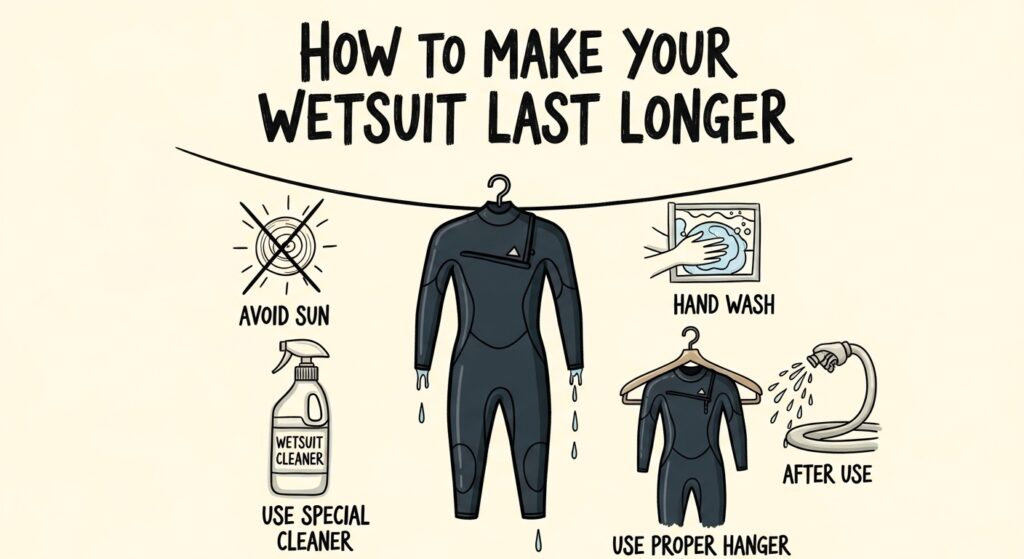
A quality wetsuit is an investment, and proper care can double or even triple its lifespan. After every session, rinse your suit thoroughly with cool fresh water. Never use hot water, as it breaks down the neoprene glue and causes delamination.
Hang your suit to dry inside-out on a wide hanger or over a railing. Avoid thin wire hangers, which create pressure points that stretch the neoprene. Keep your suit out of direct sunlight when drying, as UV rays degrade the rubber over time.
If your suit develops a small tear or ding, you can often fix it yourself with neoprene cement or a wetsuit repair kit. For more serious damage, check out our guide on eco-friendly board and gear repairs which covers wetsuit patch techniques as well.
Getting the Most Out of Your Wetsuit: Stay Fit, Surf Longer
The best wetsuit in the world will not help if you run out of energy after 30 minutes. Cold-water surfing demands more from your body than warm-water sessions because your muscles work harder to stay warm and flexible. A solid surfing fitness routine makes every session more enjoyable and reduces the risk of injury.
Focus on paddling endurance, core strength, and shoulder mobility. Swimming, rowing, and yoga are all excellent cross-training activities for surfers. The fitter you are, the less you notice the restriction of your wetsuit, and the longer you can stay out there chasing waves.
Surfing is not just great exercise—it is also proven to boost your mental health. If you need extra motivation to paddle out on a cold morning, read about the mental health benefits of surfing and you will find yourself reaching for that wetsuit no matter the temperature.
Matching Your Wetsuit to Your Surfboard Setup
Your wetsuit should complement the type of surfing you do. If you ride a longboard, you generally want a slightly more flexible suit because longboard surfing involves more walking on the board, cross-stepping, and fluid movements. A suit that restricts your hips and knees will make noseriding far more difficult.
For shortboard surfers who need explosive turns and quick duck dives, a lightweight performance suit like the O’Neill Hyperfreak is ideal. The reduced weight and enhanced stretch translate directly into better paddling speed and easier maneuvering under waves.
If you are still deciding on the right board, our guide on how to choose the right surfboard size can help you pair your board and wetsuit for the best possible experience. Beginners should also consider browsing our best surfboards for beginners to build a complete setup.
Frequently Asked Questions
How tight should a wetsuit be?
A wetsuit should fit like a second skin with no loose areas or air pockets, especially around the lower back, armpits, and crotch. You should be able to move your arms and legs freely, but the suit should feel snug everywhere. If you can pinch more than a centimeter of neoprene away from your body, the suit is too big.
How long does a wetsuit last?
With proper care, a quality wetsuit lasts between two and four years of regular use. Budget suits may show wear after one to two seasons. Premium suits from brands like Xcel, Rip Curl, and O’Neill tend to hold their warmth and flexibility longer due to higher-grade neoprene and better seam construction.
Can I surf without a wetsuit?
Absolutely, if the water is warm enough. In tropical destinations with water temperatures above 75°F, you can surf in boardshorts or a rashguard. But for most surf spots outside the tropics, a wetsuit is essential for comfort, safety, and extending your session time.
Is snowboarding similar to surfing?
Many surfers pick up snowboarding quickly because both sports share a sideways stance and a focus on balance and edge control. If you are curious about the crossover, check out our article on whether surfing is like snowboarding for a detailed comparison.
Final Verdict: Which Wetsuit Should You Buy?
Every surfer’s needs are different, but here is a quick summary to help you decide. If performance and flexibility are your top priorities, the O’Neill Hyperfreak is the best all-around choice. For maximum warmth and the fastest drying time, the Rip Curl Flashbomb wins hands down.
Cold-water warriors who push into extreme conditions should invest in the Xcel Drylock. Budget-conscious surfers get incredible value from the Quiksilver Everyday Sessions, and the O’Neill Epic remains the smartest entry point for beginners who want reliable quality without the premium price.
No matter which suit you choose, make sure it fits properly—a $200 wetsuit that fits perfectly will outperform a $500 suit that is too loose. Try on multiple sizes if possible, follow the brand’s size chart carefully, and do not hesitate to exchange if the fit is not right.
Ready to complete your surf setup? Browse our guides on the best surfing movies for inspiration, learn about the history of surf culture, or explore why you should always wax your surfboard before heading out.