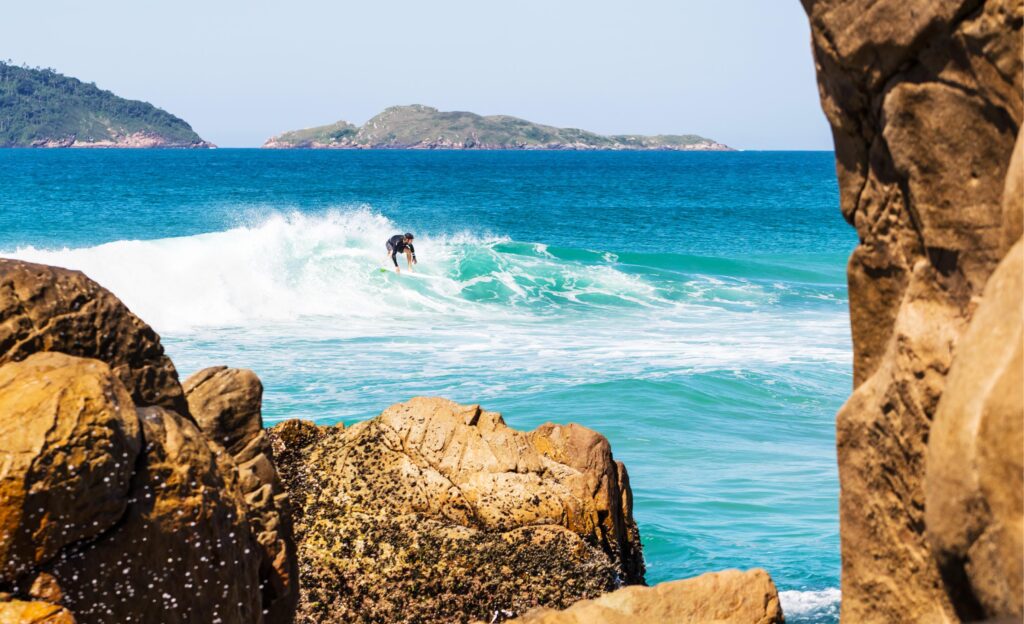

When most people think of surfing, they picture tropical beaches and warm ocean waters. But some of the world’s most incredible waves break in frigid conditions that challenge even experienced surfers.
The best cold water surfing destinations offer powerful swells, uncrowded lineups, and breathtaking scenery that makes every session unforgettable. If you’re ready to trade boardshorts for thick wetsuits and embrace the chill, this guide will take you through the planet’s premier cold water surf spots.
Cold water surfing isn’t just about enduring harsh conditions. It’s about experiencing raw, powerful waves in pristine environments where nature still reigns supreme. These destinations attract dedicated surfers who understand that the reward far exceeds the discomfort.
Why Choose Cold Water Surfing Destinations?
Cold water surfing offers unique advantages that warm water locations simply can’t match. The waves tend to be more powerful and consistent, shaped by intense storm systems that generate massive swells across open oceans. These conditions create the kind of waves that surfers dream about.
Beyond the waves themselves, cold water destinations are typically far less crowded than tropical surf spots. You’ll find yourself sharing breaks with just a handful of fellow surfers, or sometimes having entire beaches to yourself.
This solitude allows for mental clarity and stress relief that’s hard to find at popular warm water locations.
The scenery at these destinations is often spectacular. Dramatic coastlines, snow-capped mountains, and rugged wilderness create backdrops that elevate every session into an adventure.
The history of surf culture shows that some of the sport’s most pioneering moments happened in challenging cold water environments.
Essential Gear for Cold Water Surfing
Before exploring specific destinations, you need to understand the equipment required for cold water surfing. Your gear can make or break your experience, and cutting corners can lead to hypothermia and miserable sessions.
Wetsuit Selection
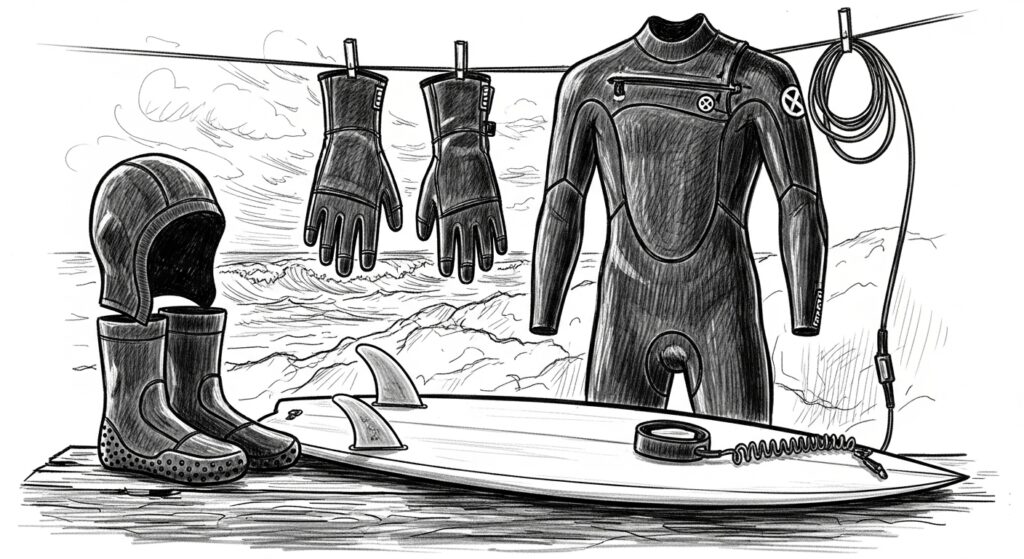
The most critical piece of equipment is your wetsuit. For water temperatures below 55°F (13°C), you’ll need a 5/4mm or 6/5mm wetsuit with sealed seams and quality construction.
Choosing the right wetsuit is essential for staying warm and comfortable during extended sessions.
Look for wetsuits with features like chest-zip entry, which minimizes water flushing, and internal linings that provide extra insulation. Brands like Patagonia, Xcel, and O’Neill make excellent cold water suits that can handle extreme conditions.
Additional Cold Water Essentials
Beyond your wetsuit, you’ll need boots, gloves, and a hood for water temperatures below 50°F (10°C). These accessories might feel restrictive at first, but they’re non-negotiable in truly cold conditions.
Understanding what to wear surfing in different conditions helps you prepare properly for each destination.
Your surfboard also requires consideration. Many cold water destinations feature powerful, hollow waves that demand boards with more volume and stability.
Choosing the right surfboard size becomes even more important when dealing with thick wetsuits that restrict movement.
Don’t forget about wax selection. Cold water requires specific wax formulas that stay hard in frigid conditions.
Understanding why you wax a surfboard and using the correct temperature-rated wax prevents slipping and maintains traction.
Top Cold Water Surfing Destinations Around the World
Now let’s explore the world’s premier cold water surfing destinations, each offering unique characteristics and challenges for winter warriors.
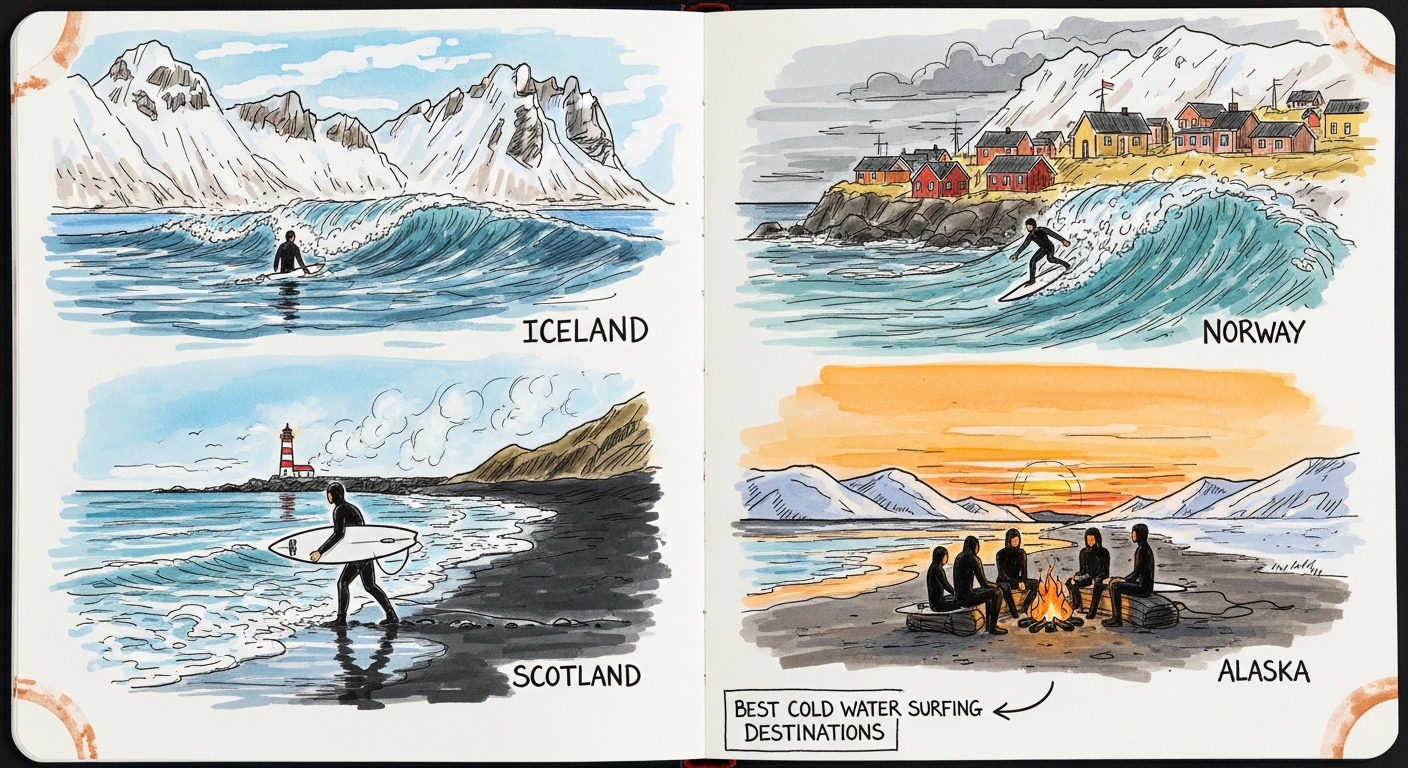
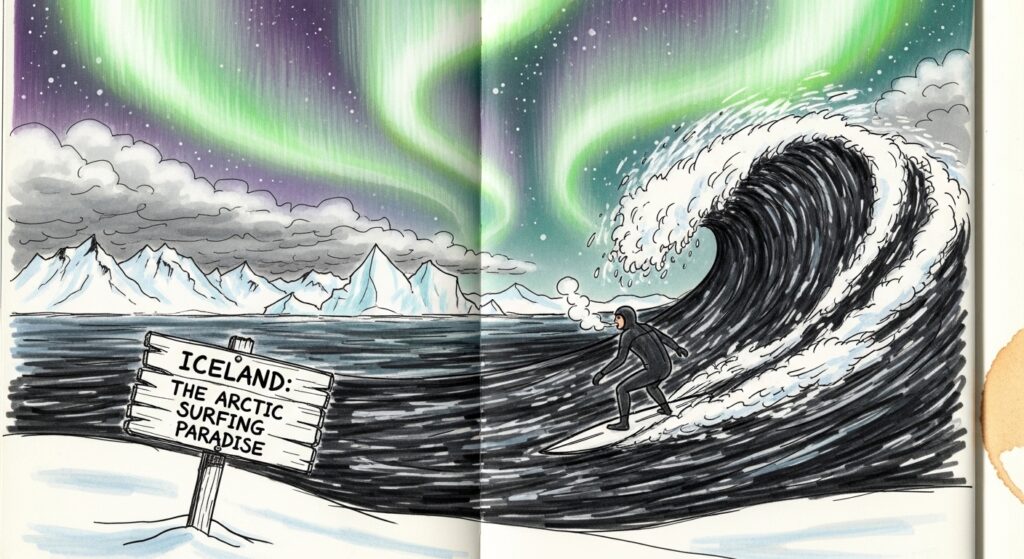
Iceland: The Arctic Surfing Paradise
Iceland has become one of the most sought-after cold water surfing destinations in recent years. The country’s dramatic volcanic coastline produces consistent swells year-round, with winter bringing the most powerful waves.
The most famous surf spot is Þorlákshöfn, located on Iceland’s south coast about 45 minutes from Reykjavik. This area receives groundswell from all directions and works in various wind conditions.
Water temperatures hover around 37-42°F (3-6°C) in winter, requiring full 6/5mm wetsuits with all accessories.
The surreal experience of surfing with snow-covered mountains in the background and possibly seeing the Northern Lights makes Iceland unique. The country’s geothermal hot springs provide perfect post-surf recovery spots where you can warm up naturally.
Norway: Lofoten Islands
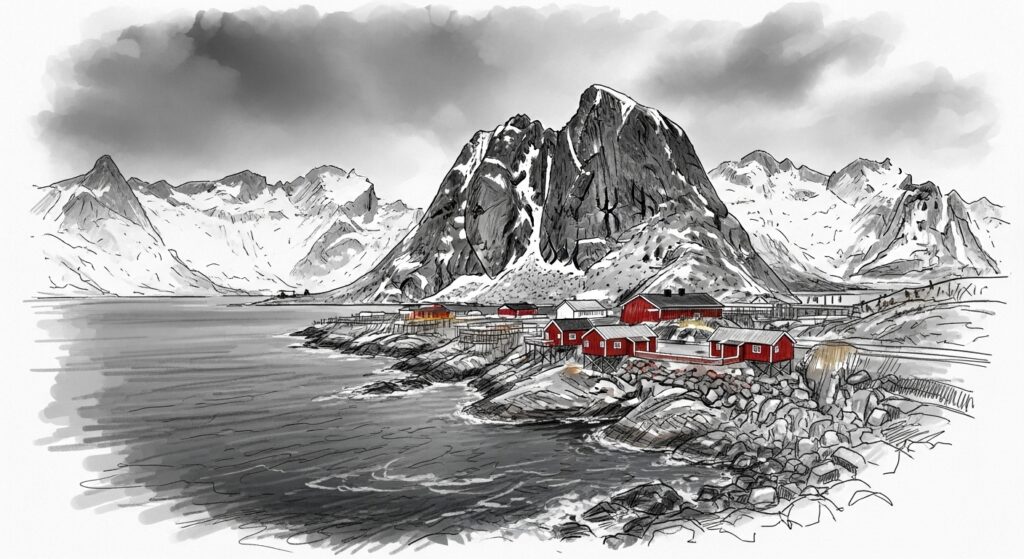
The Lofoten Islands in northern Norway offer some of Europe’s most spectacular cold water surfing. This Arctic archipelago sits well above the Arctic Circle yet benefits from the Gulf Stream, which keeps waters slightly warmer than expected.
Unstad Beach is the heart of Lofoten’s surf scene, featuring a consistent beach break that handles various swell sizes. The surrounding jagged peaks and traditional fishing villages create an unforgettable setting.
Winter water temperatures range from 39-45°F (4-7°C).
The best season runs from September through March when powerful North Atlantic storms generate consistent swells. Be prepared for short daylight hours in winter, but also potential sessions under the Northern Lights.
Scotland: Raw Power and Beauty
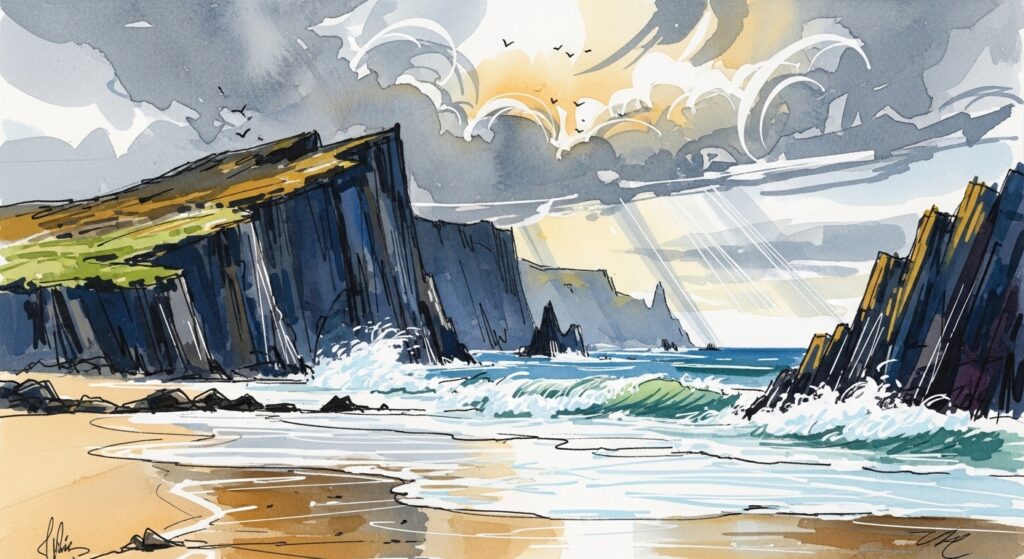
Scotland’s rugged coastline offers world-class cold water surfing much closer to major population centers than Iceland or Norway. The country’s exposure to Atlantic swells creates powerful, consistent waves along both its west and north coasts.
Thurso East in northern Scotland ranks among Europe’s best right-hand reef breaks, producing hollow barrels that rival any warm water destination. The Scottish surf scene has produced numerous professional surfers who learned their craft in these demanding conditions.
Water temperatures range from 45-52°F (7-11°C), requiring 5/4mm to 6/5mm wetsuits depending on the season. The waves are powerful and cold, making Scotland an excellent training ground.
If you’re wondering how long it takes to learn to surf, starting in cold water certainly accelerates skill development.
Canada: Tofino, British Columbia
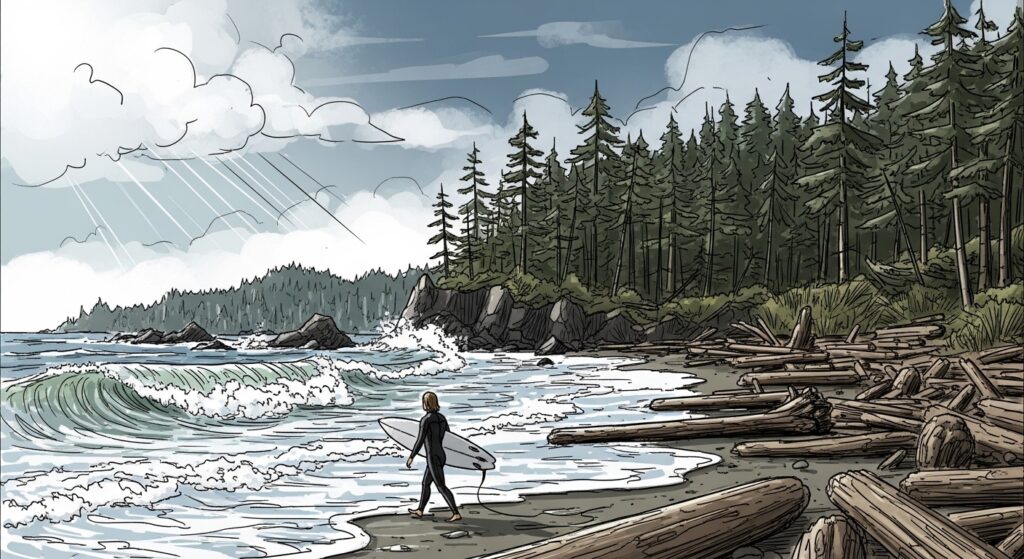
Tofino has earned a reputation as North America’s premier cold water surf town. Located on Vancouver Island’s west coast, this small community offers consistent waves, stunning old-growth rainforests, and a welcoming surf culture.
Long Beach, Chesterman Beach, and Cox Bay provide various options for different skill levels. The area receives consistent swells from October through April, with winter bringing the largest waves.
Water temperatures range from 46-54°F (8-12°C).
Tofino’s infrastructure makes it more accessible than many cold water destinations, with surf shops, rentals, and accommodations readily available. The town has maintained its laid-back character despite growing popularity.
Alaska: The Last Frontier
For truly adventurous surfers, Alaska represents the ultimate cold water surfing destination. Yakutat, a small fishing village, has gained attention for its powerful beach breaks and extremely remote location.
Water temperatures barely reach 50°F (10°C) in summer and drop to 38°F (3°C) in winter. The waves are powerful, consistent, and often completely empty.
This destination requires serious preparation and experience with cold water surfing.
Alaska’s surf season runs from September through November when storm systems generate massive swells across the Gulf of Alaska. The remote location means self-sufficiency is essential, and safety precautions for challenging ocean conditions become critical.
Russia: Kamchatka Peninsula
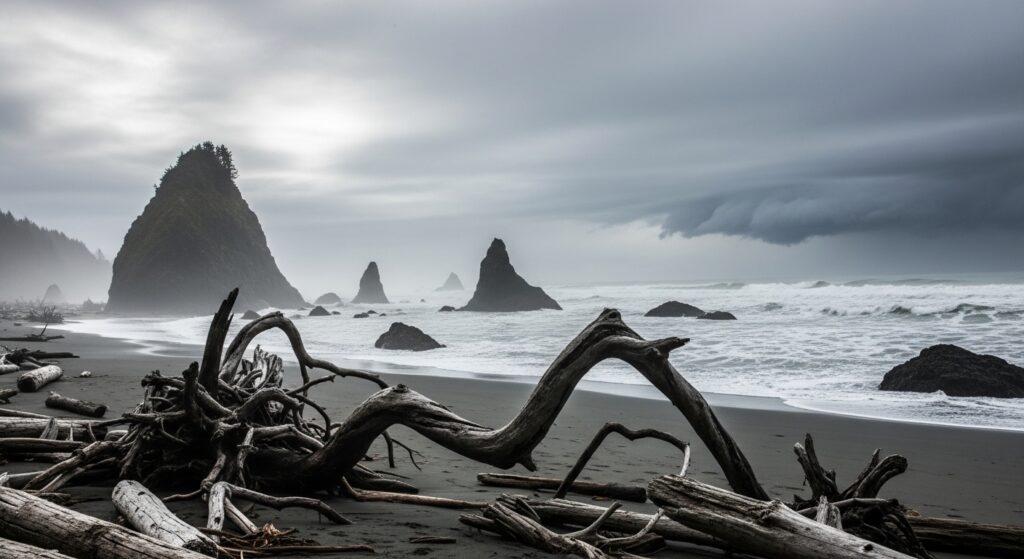
Kamchatka represents one of surfing’s final frontiers, offering world-class waves in one of Earth’s most remote regions. This volcanic peninsula in Russia’s Far East features dramatic scenery, active volcanoes, and consistent North Pacific swells.
Khalaktyrsky Beach near Petropavlovsk-Kamchatsky provides the most accessible waves, featuring a powerful beach break with black volcanic sand. Water temperatures range from 34-46°F (1-8°C) depending on the season.
Getting to Kamchatka requires international flights and significant planning, but the reward is surfing in complete solitude with smoking volcanoes in the background. The peninsula’s isolation has preserved its pristine character.
Chile: Punta de Lobos
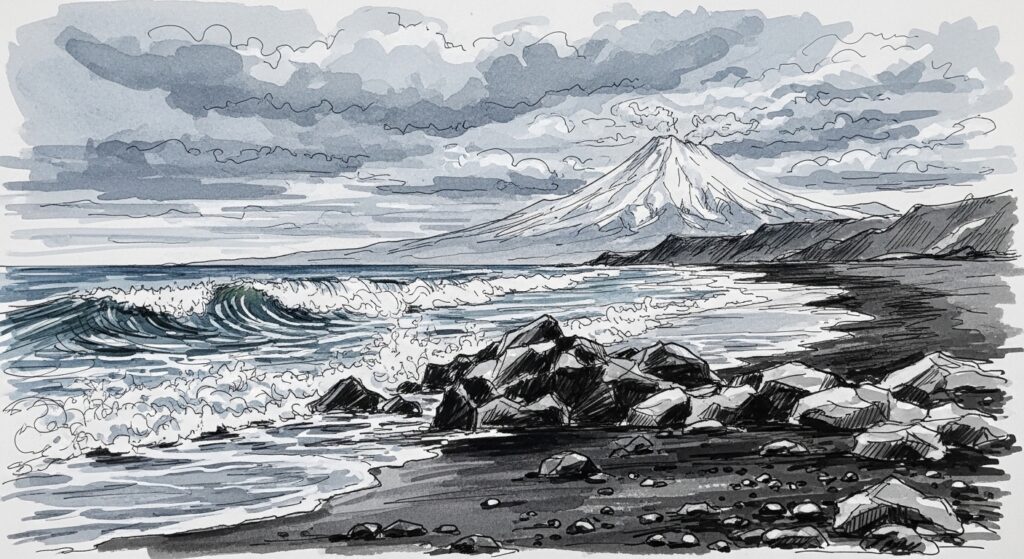
Located near Pichilemu in central Chile, Punta de Lobos offers one of South America’s most consistent and powerful cold water waves. This long left point break can produce rides exceeding 300 meters in optimal conditions.
Water temperatures range from 52-59°F (11-15°C), requiring 4/3mm to 5/4mm wetsuits. The wave works best with big south or southwest swells, creating hollow sections that challenge experienced surfers.
Pichilemu has developed into Chile’s surf capital, with infrastructure supporting visiting surfers while maintaining authenticity. The town’s relaxed atmosphere and nearby wineries make it appealing for surf trips combining waves and culture.
New Zealand: Raglan and Beyond
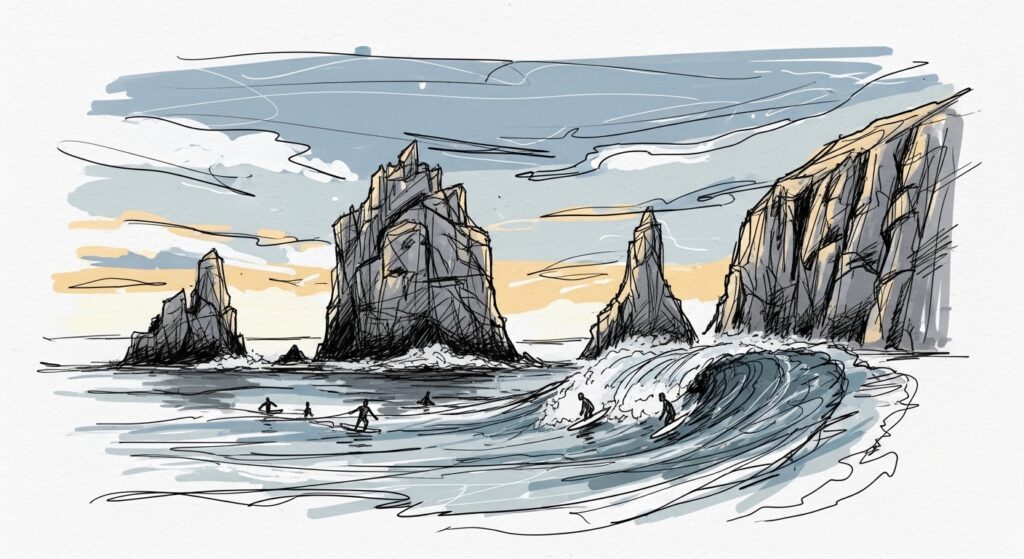
New Zealand’s exposed coastline receives consistent Southern Ocean swells, creating numerous world-class breaks. Raglan, on the North Island’s west coast, features one of the world’s longest left-hand point breaks at Manu Bay.
Water temperatures range from 54-64°F (12-18°C), requiring 3/2mm to 4/3mm wetsuits depending on season. While not as cold as Arctic destinations, New Zealand’s powerful waves and changeable weather demand respect.
Many surfers choose longboards for surfing New Zealand’s point breaks.
The country’s stunning natural beauty, including mountains, forests, and geothermal areas, makes it ideal for combining surf trips with exploration.
Preparing Your Body for Cold Water Surfing
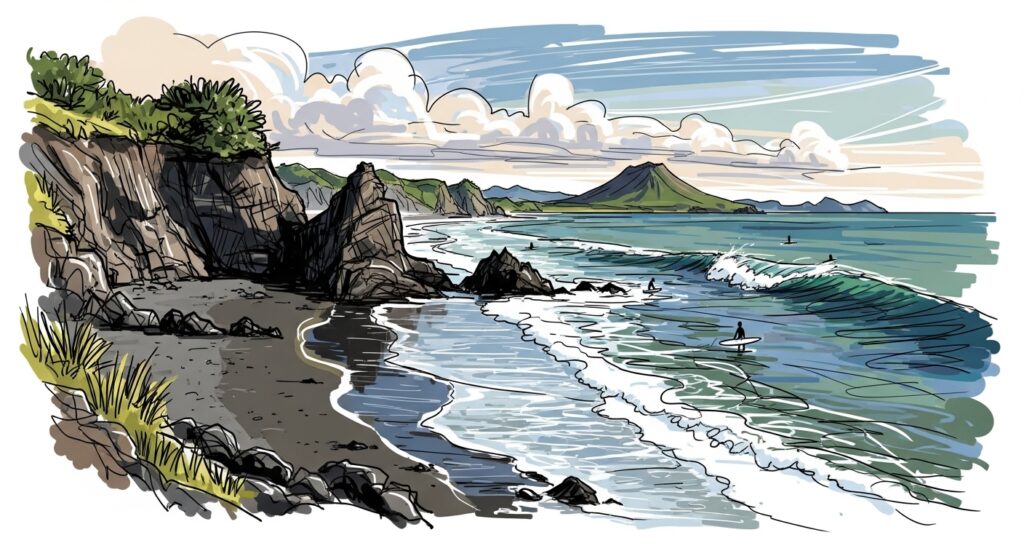
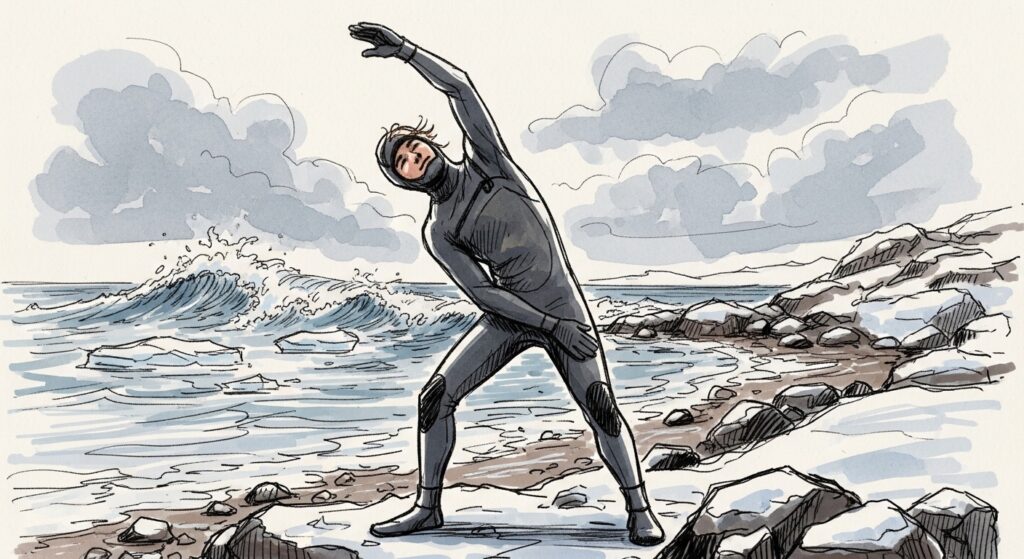
Cold water surfing demands superior fitness levels compared to warm water surfing. The thick wetsuits restrict movement, while cold temperatures require your body to work harder to maintain core temperature.
Building cardiovascular endurance and upper body strength becomes essential. A comprehensive surfing fitness program should focus on swimming, paddling strength, and flexibility.
Strong shoulders and back muscles help you paddle efficiently despite bulky neoprene.
Cold water also affects your breathing and requires mental toughness. Practice controlled breathing exercises and gradually acclimatize to cold conditions rather than jumping immediately into frigid waters.
Cold water surfing carries risks that don’t exist in tropical locations. Hypothermia can set in quickly, especially if your wetsuit tears or floods with water.
Safety Considerations for Cold Water Destinations
Always surf with a buddy and know the signs of cold water shock.
Understanding local conditions is crucial. Many cold water destinations feature powerful currents, rocky entries, and remote locations far from medical help.
Research each spot thoroughly and start with smaller conditions while learning the area.
Check detailed wave forecasts before sessions, as cold water destinations often experience rapid weather changes. Storm systems can intensify quickly, creating dangerous conditions for unprepared surfers.
Never surf alone in cold water, and always have a warm vehicle nearby with dry clothes and hot beverages. Watch for signs of hypothermia in yourself and others, including shivering, confusion, and loss of coordination.
When to Visit Cold Water Surfing Destinations
Timing varies significantly between destinations, but general patterns exist. Northern Hemisphere locations like Iceland, Norway, and Scotland see their biggest swells from October through March.
However, shoulder seasons (September-October and April-May) often provide the best balance of good waves and slightly warmer conditions.
Southern Hemisphere destinations like Chile and New Zealand receive their largest swells during their winter months (May through September). New Zealand’s autumn and spring can offer excellent conditions with relatively milder temperatures.
Research specific destinations carefully, as optimal timing depends on swell direction, local weather patterns, and your cold tolerance. Some locations work year-round with different swells, while others have distinct seasons.
Making the Most of Your Cold Water Surf Trip
Preparation makes or breaks cold water surf adventures. Test all gear before traveling, as equipment failures far from home can end trips prematurely.
Bring backup gloves, boots, and repair materials for wetsuit damage.
Layer properly for time out of the water, as cold air temperatures often match water temperatures at these destinations. Proper clothing between sessions prevents heat loss and maintains energy for multiple surfs.
Consider combining surf with local experiences. Many cold water destinations offer incredible cultural attractions, unique cuisine, and outdoor activities.
This approach transforms pure surf trips into comprehensive adventures.
If you’re transitioning from warm water surfing, start with less extreme cold water destinations. Compare your experience with beginner-friendly surfing destinations to understand how much the environment changes your approach.
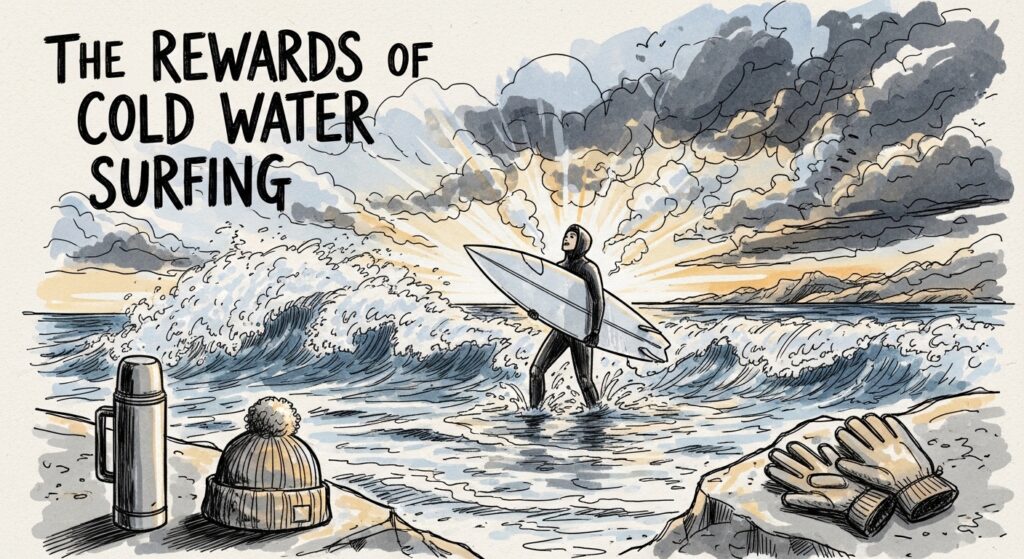
The Rewards of Cold Water Surfing
Despite the challenges, cold water surfing offers unmatched rewards. The powerful waves, empty lineups, and stunning scenery create experiences impossible to find at crowded tropical beaches.
Each session becomes an adventure that tests and develops your skills.
The surf community at cold water destinations tends to be tight-knit and welcoming. Surfers who brave harsh conditions share a bond that transcends typical surf culture.
You’ll find genuine camaraderie and locals willing to share knowledge with respectful visitors.
Cold water surfing also develops mental toughness and resilience that translates to all areas of life. Learning to embrace discomfort and find joy in challenging conditions builds character beyond just surfing ability.
Conclusion
The best cold water surfing destinations offer experiences that redefine what’s possible in surfing. From Iceland’s volcanic shores to New Zealand’s perfect points, these locations challenge surfers while rewarding them with world-class waves and unforgettable adventures.
Success in cold water requires proper preparation, quality gear, and respect for the ocean’s power. Start with thorough research, invest in excellent equipment, and gradually build your cold water experience.
The journey from curiosity to cold water competence takes time, but the rewards justify every shivering paddle-out.
Whether you’re seeking empty lineups, powerful waves, or simply want to push your surfing boundaries, these cold water destinations deliver. Embrace the chill, prepare thoroughly, and discover why winter warriors consider cold water surfing the purest form of the sport.